Record-breaking data from the sea. 2025 goes down in history
In 2025, sea water temperatures off the coast of Norway reached the highest levels ever recorded. The data comes from observations conducted by the Norwegian Institute of Marine Research for nearly 100 years. Scientists point to a link with ongoing climate change.
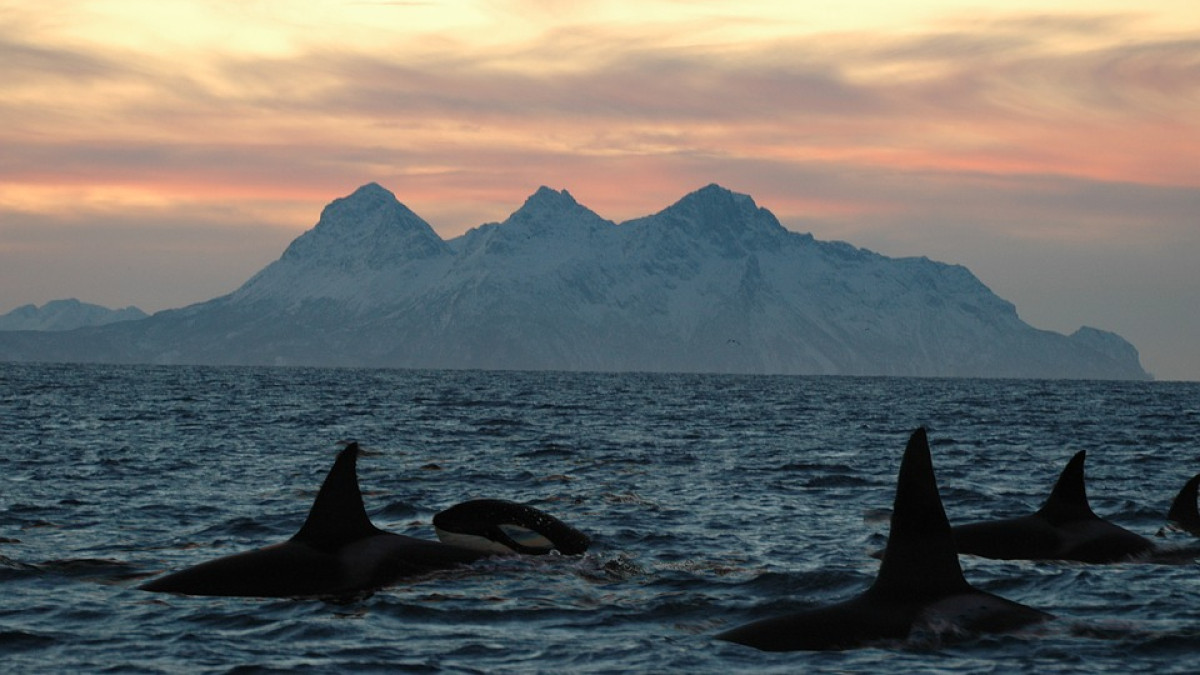
Elevated temperatures were also observed in winter.
Fot. Pixabay/CC0
The Norwegian Institute of Marine Research has been measuring temperatures at fixed points along the coast since the 1930s and 1940s. The network of stations covers the area from southern to northern Norway.
In 2025, the highest temperatures were recorded in the southern and western parts of the country. It was the warmest year in the history of marine observations in these regions.
In 2025, the highest temperatures were recorded in the southern and western parts of the country. It was the warmest year in the history of marine observations in these regions.
Records also at great depths
Measurements include both the upper layers of water and depths of 50 and 100 meters. At the Lista, Utsira, Sognesjøen, and Bud stations, 2025 was the warmest year on record.
In November, at a depth of 100 meters near Utsira, the temperature reached nearly 12 degrees. The average for this period is between 8.5 and 10.5 degrees, which means an increase of about 2.5 degrees.
In November, at a depth of 100 meters near Utsira, the temperature reached nearly 12 degrees. The average for this period is between 8.5 and 10.5 degrees, which means an increase of about 2.5 degrees.
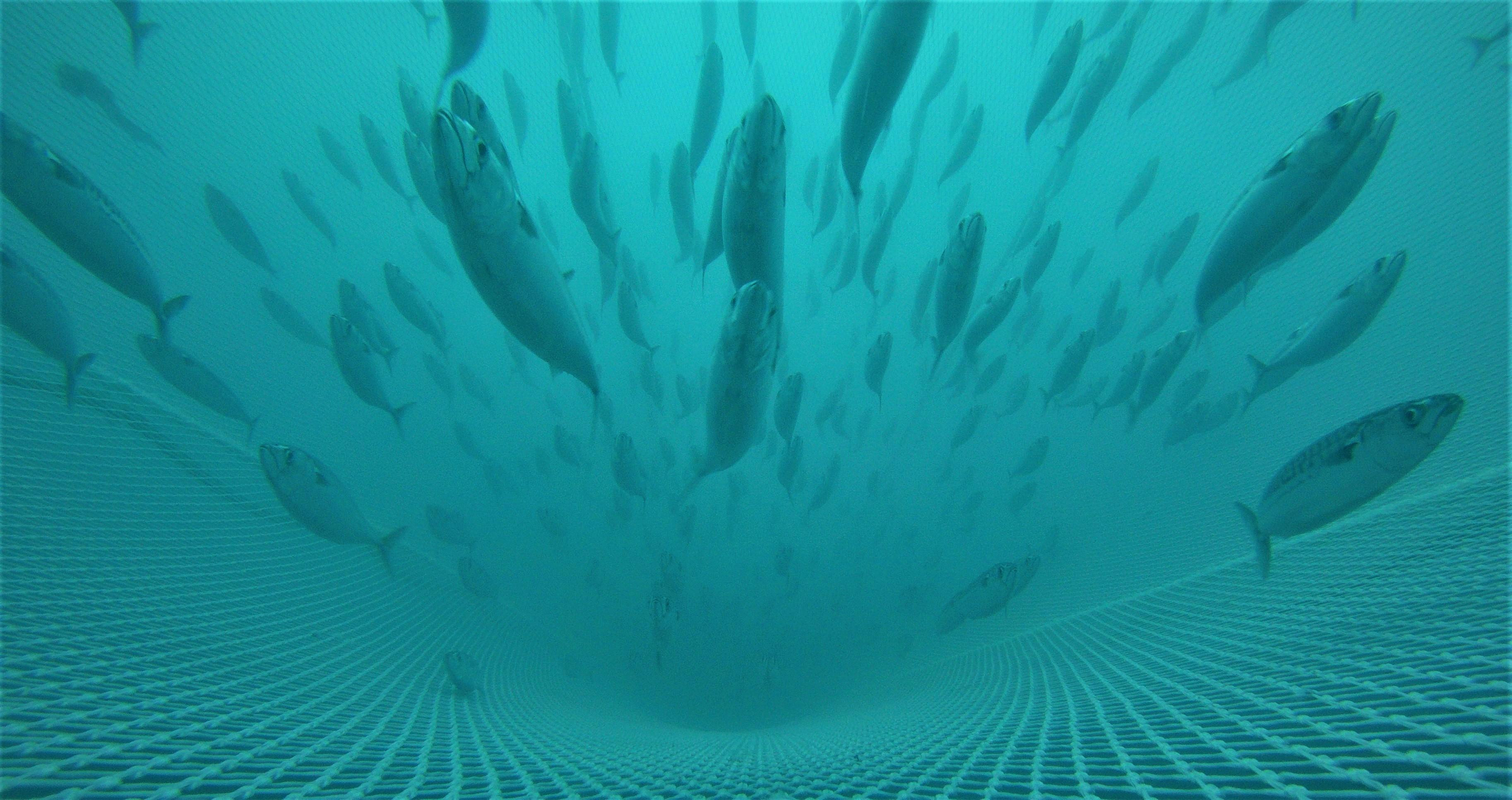
Scientists predict changes in the species composition of marine faunaPhoto: Havforskningsinstituttet/Espen Bierud/https://creativecommons.org/licenses/by-sa/4.0/
Changes in marine ecosystems
Scientists highlight the impact of elevated water temperatures on marine life. According to the Institute of Marine Research, some species may disappear from the Norwegian coast, while others may arrive from warmer regions.
In the south and east of the country, mass die-offs of deep-sea corals have been observed. Along the coast, new species such as seahorses and turtles have also been recorded.
In the south and east of the country, mass die-offs of deep-sea corals have been observed. Along the coast, new species such as seahorses and turtles have also been recorded.
Temperature changes in open waters
Elevated temperatures have also been recorded over large areas of the Norwegian Sea and the Barents Sea. Satellite data indicate that the temperature increase covers vast bodies of water.
In recent years, marine heatwaves lasting at least five days have become increasingly common. These phenomena are becoming longer and, according to forecasts, will intensify, affecting the functioning of the marine environment and the activities of sectors dependent on sea conditions.
In recent years, marine heatwaves lasting at least five days have become increasingly common. These phenomena are becoming longer and, according to forecasts, will intensify, affecting the functioning of the marine environment and the activities of sectors dependent on sea conditions.
How do you rate this article?