Record Vaccinations Not Enough. Increasing Number of Infections After Tick Bites
The number of tick-borne encephalitis (TBE) infections in Norway is rising despite record vaccination rates.
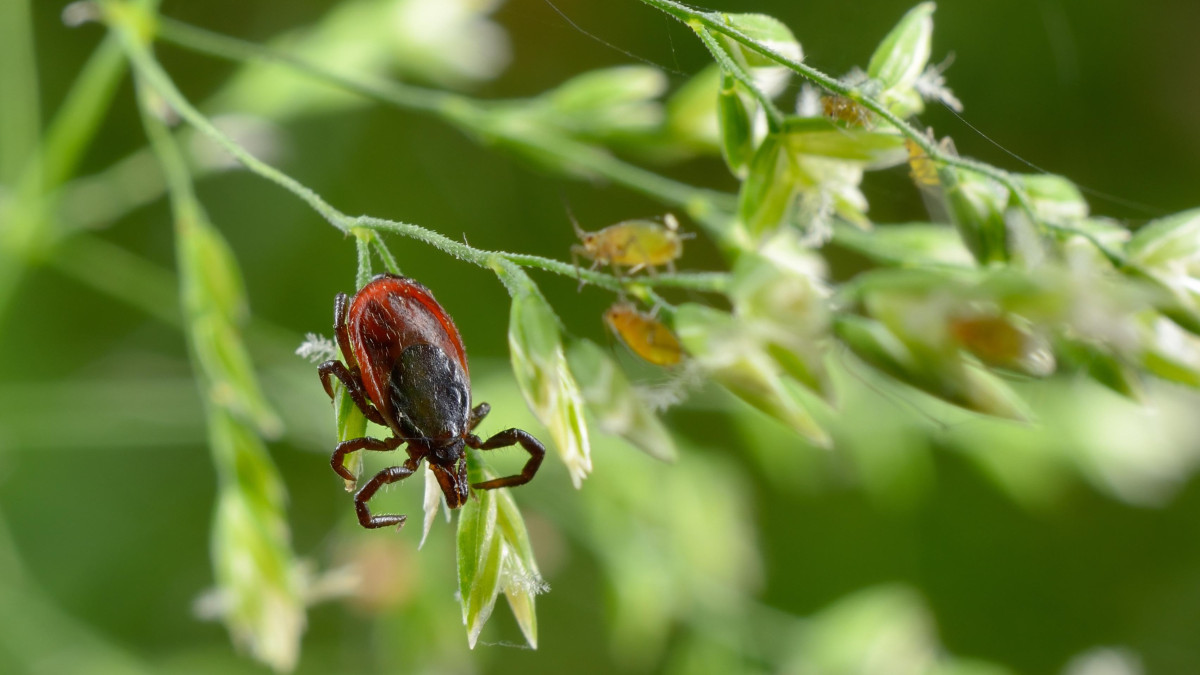
Vaccinations are recommended in high-risk regions.
Fot. Adobe Stock, licencja standardowa
According to a report from the Norwegian Institute of Public Health (FHI), there were 96 cases of TBE recorded in 2025. This is more than the 76 cases the previous year and less than the record 113 cases in 2023. The increase follows a trend also observed in Sweden and Finland. At the same time, the number of Lyme disease infections transmitted by ticks is also rising.
Rising Case Numbers and Causes
In 2025, Lyme disease was diagnosed in 715 people. In 2024, there were 641 cases, and in 2023, 571. The data show a steady increase in tick-borne diseases. TBE is a virus transmitted by ticks that can lead to inflammation of the central nervous system. It is not the same disease as Lyme disease.
According to FHI, the rise in infections is influenced by climate change, the population size of tick hosts, and increased outdoor activity during the COVID-19 pandemic, when more people spent time in forests and green areas. TBE can have a two-phase course. Initially, fever, headache, and muscle pain appear. About 30 percent of patients later develop symptoms of meningitis.
According to FHI, the rise in infections is influenced by climate change, the population size of tick hosts, and increased outdoor activity during the COVID-19 pandemic, when more people spent time in forests and green areas. TBE can have a two-phase course. Initially, fever, headache, and muscle pain appear. About 30 percent of patients later develop symptoms of meningitis.

In adults and the elderly, the risk of severe illness is higher.Photo: Pixabay
Vaccinations and Risk Groups
In 2025, 107,723 people were vaccinated. In 2024, it was 103,558, and in 2023, 78,127. The vaccination consists of three doses, and for people over 60, four doses are used. It is recommended for people staying in high-risk areas, especially in the south of the country and around the Oslofjord.
Among the 96 TBE cases, as many as 88 people were hospitalized. Most infections were recorded between June and October. Men accounted for 60 percent of patients. Most cases involved people aged 50-79. The highest number of infections was registered in Telemark, Vestfold, Agder, Østfold, and Akershus. For Lyme disease, the dominant regions were Vestland, Agder, and Møre og Romsdal.
Among the 96 TBE cases, as many as 88 people were hospitalized. Most infections were recorded between June and October. Men accounted for 60 percent of patients. Most cases involved people aged 50-79. The highest number of infections was registered in Telemark, Vestfold, Agder, Østfold, and Akershus. For Lyme disease, the dominant regions were Vestland, Agder, and Møre og Romsdal.
TBE remains a disease with no available causal treatment. Some patients experience long-term symptoms such as headaches, concentration problems, and sleep disturbances. The vaccine may cause side effects, most commonly local reactions and short-term fever. Data indicate that despite the increasing number of vaccinated people, the risk of infection persists in regions where ticks are present.
How do you rate this article?