Record in the North, Risk in the South. This Is the Current Electricity Situation in Norway
Low water reservoir levels in southern Norway may lead to higher energy prices. This comes from the weekly storage statistics of the Norwegian Water Resources and Energy Directorate (NVE), published on June 25. At the same time, the north of the country has record-high reservoir levels.
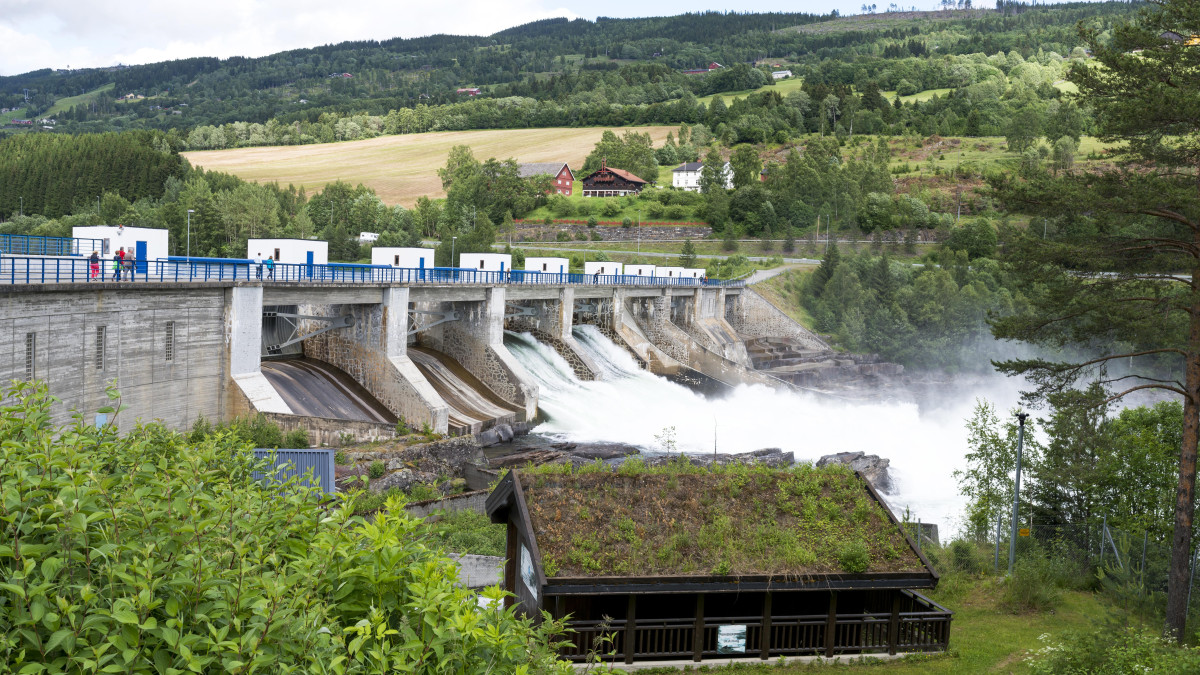
Norwegian electricity relies on hydropower plants.
Fot. Adobe Stock, licencja standardowa (zdjęcie poglądowe)
Water reservoirs are crucial for Norway's energy sector. These are large, dammed lakes that store water for hydropower plants. NVE points out that in southern Norway, their levels are lower than usual, which may make hydropower production more difficult in the coming months. This, in turn, could affect electricity bills.
NVE Points to Problems in Water Reservoirs
The snowmelt season is ending in southern Norway. Torbjørn Olsen, a representative of Statkraft, which manages the power grid, points to the small amount of snow in the mountains. According to him, further developments in the reservoirs will depend on rainfall in the coming months.
This is the second year in a row with little snow in the mountains of southern Norway. Statkraft took the situation into account in its winter forecasts and managed the water in the reservoirs accordingly. NVE expects that some reservoirs will have less water than usual over the past 30 years, making production more difficult.
This is the second year in a row with little snow in the mountains of southern Norway. Statkraft took the situation into account in its winter forecasts and managed the water in the reservoirs accordingly. NVE expects that some reservoirs will have less water than usual over the past 30 years, making production more difficult.
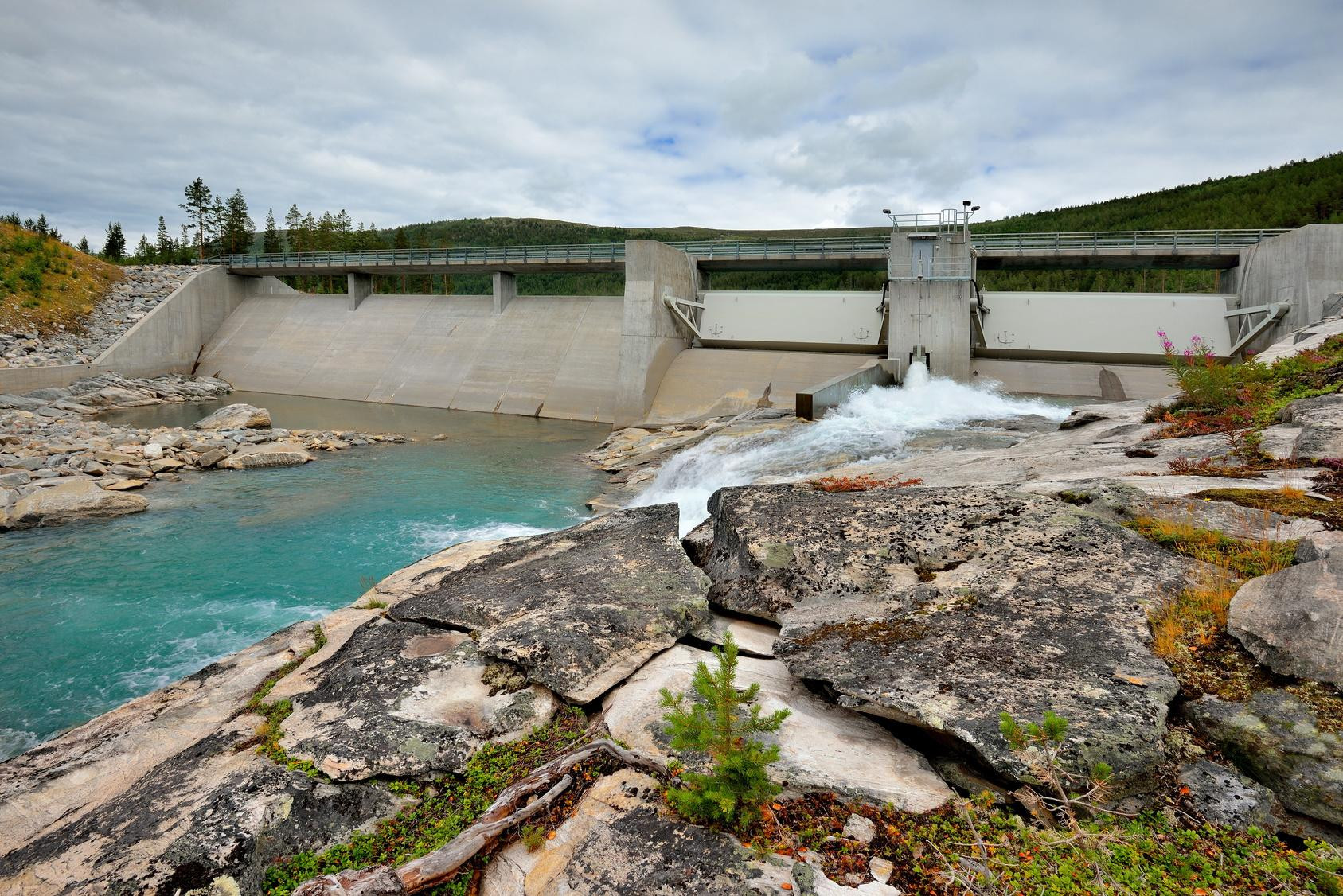
Norwegians obtain the vast majority of their electricity from hydropower.Photo: Fotolia
Rain Is Not Enough. Norway Watches Gas Prices
Electricity prices do not depend solely on the weather. Olsen points out that the situation in the Middle East is a source of uncertainty for gas prices. In so-called dry years, the price of energy in Norway is more closely linked to the price of gas than in years with plenty of water in the reservoirs, which changes the market dynamics.
A smaller amount of water limits the potential for hydropower production. Other price-setting sources, including gas, may then become more important. Statkraft assures that it has plans in place to maintain energy supplies throughout the winter.
A smaller amount of water limits the potential for hydropower production. Other price-setting sources, including gas, may then become more important. Statkraft assures that it has plans in place to maintain energy supplies throughout the winter.
Southern Norway is entering the coming months with lower water levels in its reservoirs. The north of the country is in a different situation, as reservoirs there are at record-high levels. Regional differences may therefore be significant for future energy price forecasts.
How do you rate this article?