Political Pressure on Norges Bank? "It Should Act More Strongly"
Economics professor Kjetil Storesletten criticizes the political pressure on Norges Bank. In his opinion, the central bank raised interest rates too late and too weakly. The problem, he says, lies with the actions of politicians and trade unions.
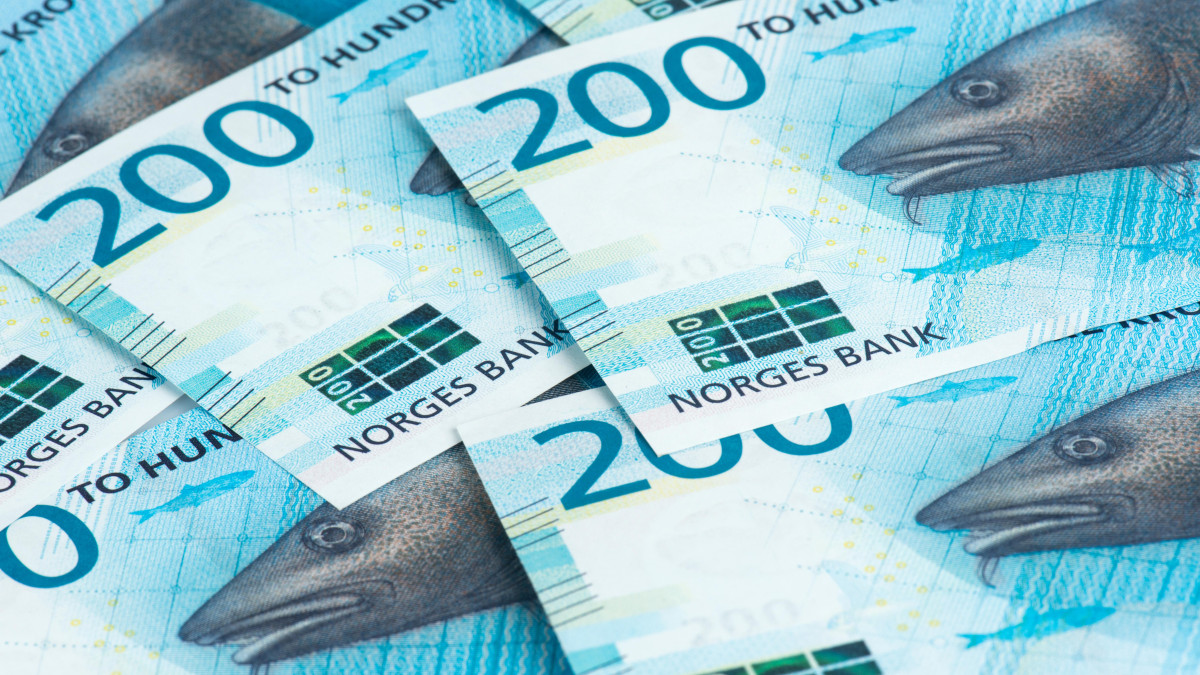
An economist points to political pressure from, among others, the prime minister and trade unions.
Fot. materiały prasowe Norges Bank
There is an ongoing dispute over interest rates in Norway. In May, Norges Bank raised the rate to 4.25 percent due to excessively high inflation. The central bank's inflation target is 2 percent. According to economics professor Kjetil Storesletten, the decisions could have been stricter earlier.
Obstacles for Norges Bank. Is Political Pressure the Biggest Problem?
Storesletten works at the University of Minnesota and previously served on the main board of Norges Bank. Until 2020, this body decided on the interest rate. The economist claims that the pressure surrounding the central bank has gotten out of control.
According to him, LO (the Norwegian Confederation of Trade Unions) warned the bank for years against raising rates. Some political parties joined in as well. Storesletten also points to Prime Minister Jonas Gahr Støre, who, during his campaign, spoke about lowering rates for all residents of the land of the fjords.
According to him, LO (the Norwegian Confederation of Trade Unions) warned the bank for years against raising rates. Some political parties joined in as well. Storesletten also points to Prime Minister Jonas Gahr Støre, who, during his campaign, spoke about lowering rates for all residents of the land of the fjords.
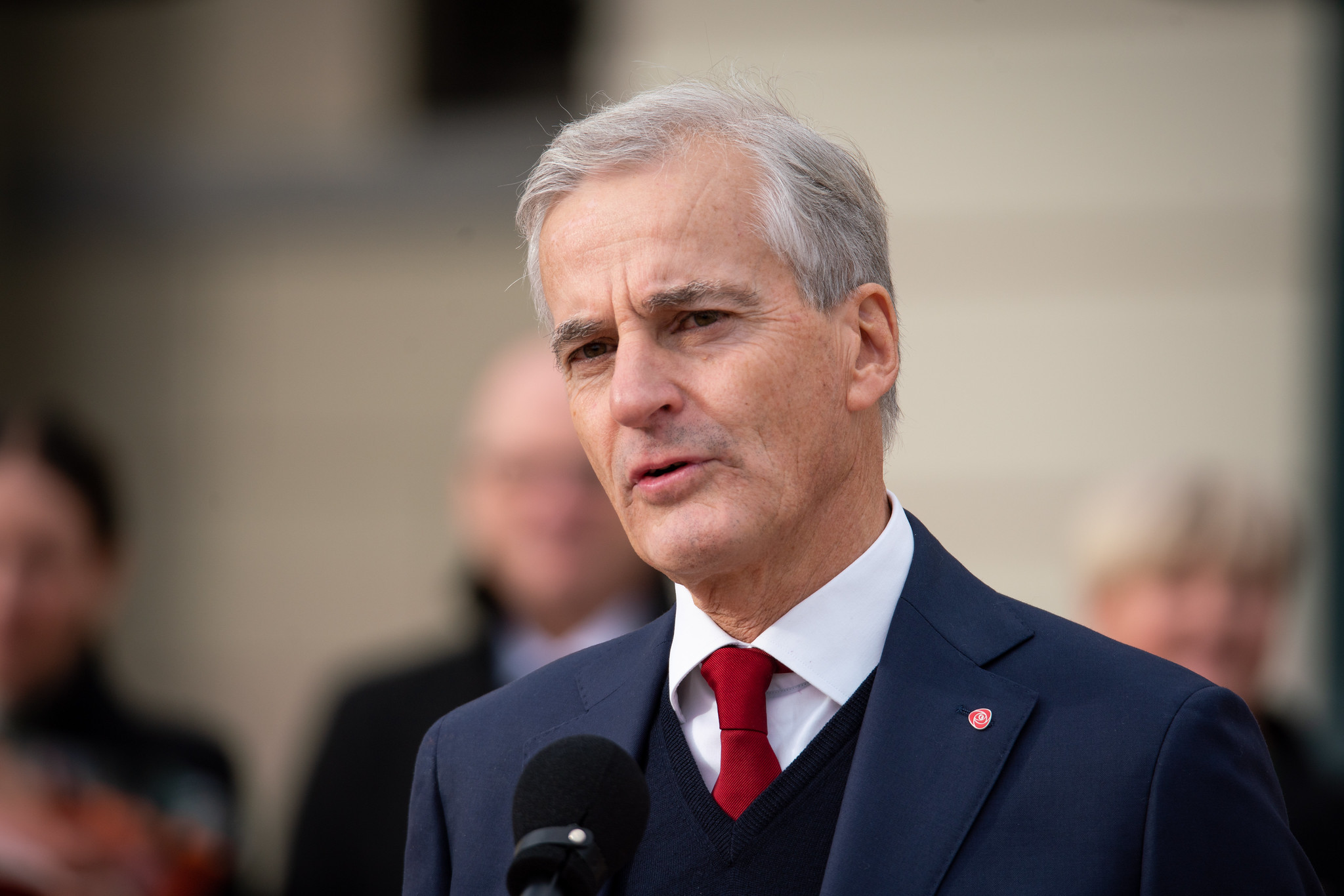
The pressure was also allegedly exerted by those in power, including the prime minister.Photo: flickr.com/ Arbeiderpartiet/ https://creativecommons.org/licenses/by-nd/2.0/
Dispute Over the Pace of Increases. Did Norges Bank Act Too Weakly?
Storesletten believes that Norges Bank should have acted more strongly in previous years. He recalls that in other countries, rates rose more quickly, with double and triple hikes. In his view, Norway took a more cautious approach, which made the central bank's job more difficult. He says that politicians' statements about future Norges Bank decisions are problematic. It's hard for a state institution to act when the prime minister announces what the bank should do, Storesletten admits.
The government rejects accusations of interference. State Secretary Ellen Reitan from the Ministry of Finance wrote that the division of responsibilities in economic policy is clear. According to her, Norges Bank sets the rates. Reitan also explained that Støre's slogan was a response to the Progress Party's promises of over NOK 150 billion in tax and fee cuts. LO also disagrees with the professor's criticism. The organization's chief economist, Roger Bjørnstad, claims that Norges Bank acted contrary to LO's position, pointing out that Norway currently has twice the rate of neighboring countries.
The government rejects accusations of interference. State Secretary Ellen Reitan from the Ministry of Finance wrote that the division of responsibilities in economic policy is clear. According to her, Norges Bank sets the rates. Reitan also explained that Støre's slogan was a response to the Progress Party's promises of over NOK 150 billion in tax and fee cuts. LO also disagrees with the professor's criticism. The organization's chief economist, Roger Bjørnstad, claims that Norges Bank acted contrary to LO's position, pointing out that Norway currently has twice the rate of neighboring countries.
According to LO, inflation mainly came from abroad, and rate hikes worsened the situation for many households. Storesletten compares Norway to Sweden, where inflation is close to the 2 percent target. In his opinion, Norway could have had lower inflation if the central bank had acted more strongly earlier.
How do you rate this article?