Poles Still Want to Stay in Norway. Only One Group Received More Passports
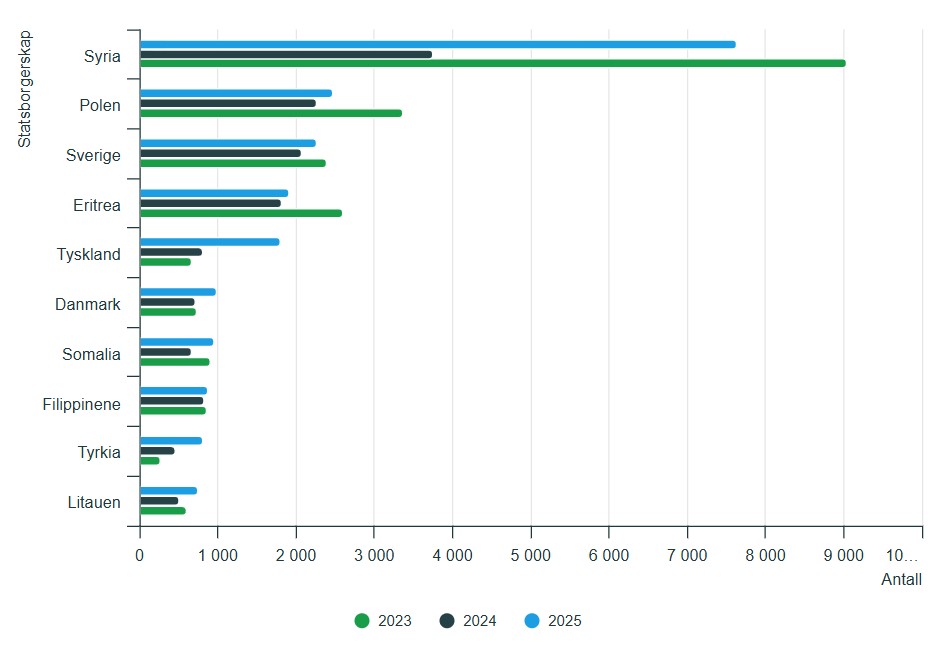
In 2025, 35,021 people were granted Norwegian citizenship. This is an increase of 28 percent year-on-year, meaning 7,561 more people than in 2024. Among the largest groups were Poles, alongside the clearly dominant Syrians.
The median length of stay for Europeans ranges from 13 to 18 years.
Fot. fotolia.pl/royalty free
The largest group were Syrians. They received 7,628 citizenships, accounting for 22 percent of all grants. Their number was more than double that of 2024. Poles, Swedes, Eritreans, and Germans were also among the top groups.
Poles Among the Largest Groups. Only Syrians Ahead of Us
Poles are among the largest groups receiving citizenship in Norway. They are part of a broader European group and constitute a significant portion of new citizens. Along with other Europeans, they maintain a stable position in the statistics.
In total, people from 148 countries received Norwegian citizenship in 2025. About 60 percent of grants concerned the 10 largest groups. Within this structure, Poles are among the most important nationalities. At the same time, 20 percent of new citizens are Syrians.
In total, people from 148 countries received Norwegian citizenship in 2025. About 60 percent of grants concerned the 10 largest groups. Within this structure, Poles are among the most important nationalities. At the same time, 20 percent of new citizens are Syrians.
Ill. SSB
Who Applies for Citizenship? Europeans Decide Later
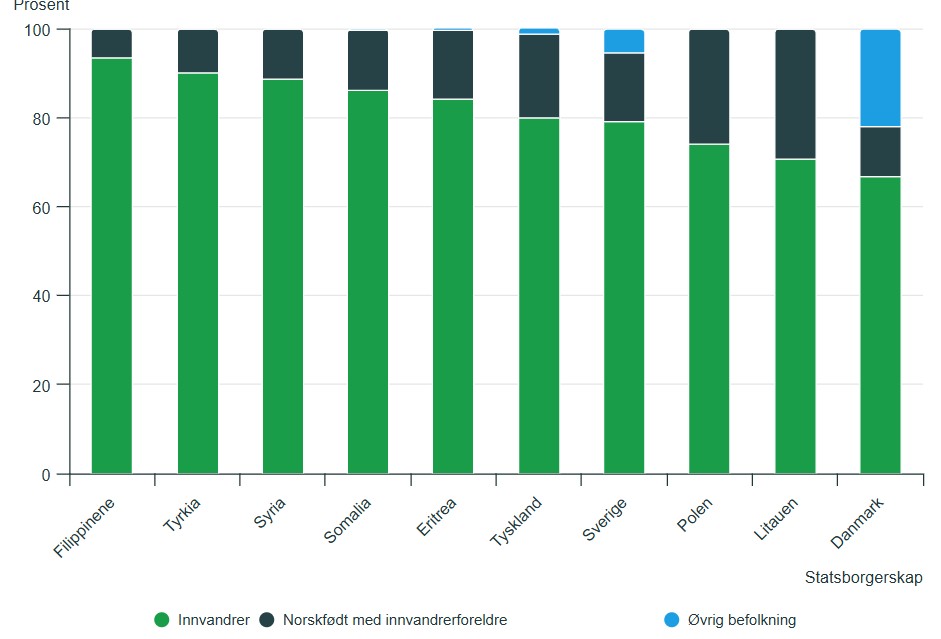
Most new citizens are immigrants, accounting for 84 percent of all cases. The remaining 16 percent are people born in Norway or with a different family background. Among Syrians, about 900 are people born in Norway. In European groups, including the Polish group, the share of such people is higher.
Among Europeans, there are more people outside the immigrant category. This includes Poles, Lithuanians, and Danes. For Swedes, 5 percent belong to this group, and among Danes, 22 percent. The differences result from the length of stay and migration history. The median for Europeans is between 13 and 18 years, while for Syrians it is about 8 years.
Among Europeans, there are more people outside the immigrant category. This includes Poles, Lithuanians, and Danes. For Swedes, 5 percent belong to this group, and among Danes, 22 percent. The differences result from the length of stay and migration history. The median for Europeans is between 13 and 18 years, while for Syrians it is about 8 years.
Ill. SSB
The number of grants is also affected by the processing time of applications. For Syrians, it is 21 months—almost two years of waiting. The increase in the number of citizenships concerns many groups at the same time. This may indicate both a higher number of applications and changes in the speed of processing, which will affect the coming years.
How do you rate this article?