Over NOK 200 million less in tax per year? That's how much Norway's richest could save
The Norwegian Tax Commission (Skattekommisjonen) proposes lowering the wealth tax to between 0.25 and 0.75 percent. According to media calculations, Norway's wealthiest residents could save tens of millions of NOK annually. In some cases, the amounts could exceed NOK 100 million.
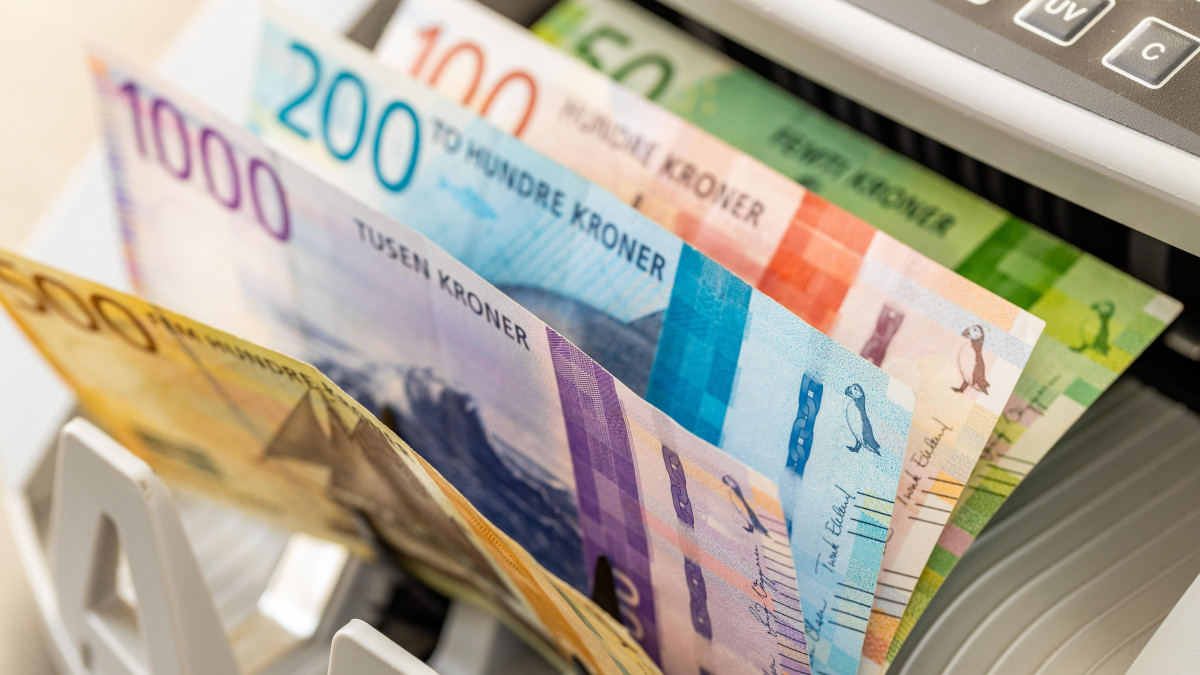
The wealth tax sparks debate in Norway: for some, it's a way for the richest to contribute more, for others, it's a barrier for business owners and investors.
Fot. Adobe Stock, licencja standardowa
After months of work, the government-appointed commission has presented its tax report. It covers, among other things, one of the most contentious topics in Norway: the wealth tax, which currently stands at 1 percent for assets between NOK 1.76 million and NOK 20.7 million, and 1.1 percent for amounts above NOK 20.7 million. The proposals have not yet become law. However, if implemented, they would mean significant changes for those with the highest net worth.
Lower tax means bigger savings for the richest
NRK editors analyzed the ten largest fortunes in Norway. According to data from the Norwegian Tax Administration (Skatteetaten), in 2024 their value ranged from about NOK 4 billion to about NOK 30 billion. With a tax reduction, owners of such fortunes could save an average of NOK 14 million to NOK 68 million per year. Some could keep over NOK 100 million annually.
The commission also provides data for the wealthiest 1 percent of Norway's population. According to its findings, this group could save an average of NOK 60,000 to NOK 330,000 per year. For the largest fortunes, the scale is even higher. This results from the value of assets and the proposed lower rate.
The commission also provides data for the wealthiest 1 percent of Norway's population. According to its findings, this group could save an average of NOK 60,000 to NOK 330,000 per year. For the largest fortunes, the scale is even higher. This results from the value of assets and the proposed lower rate.
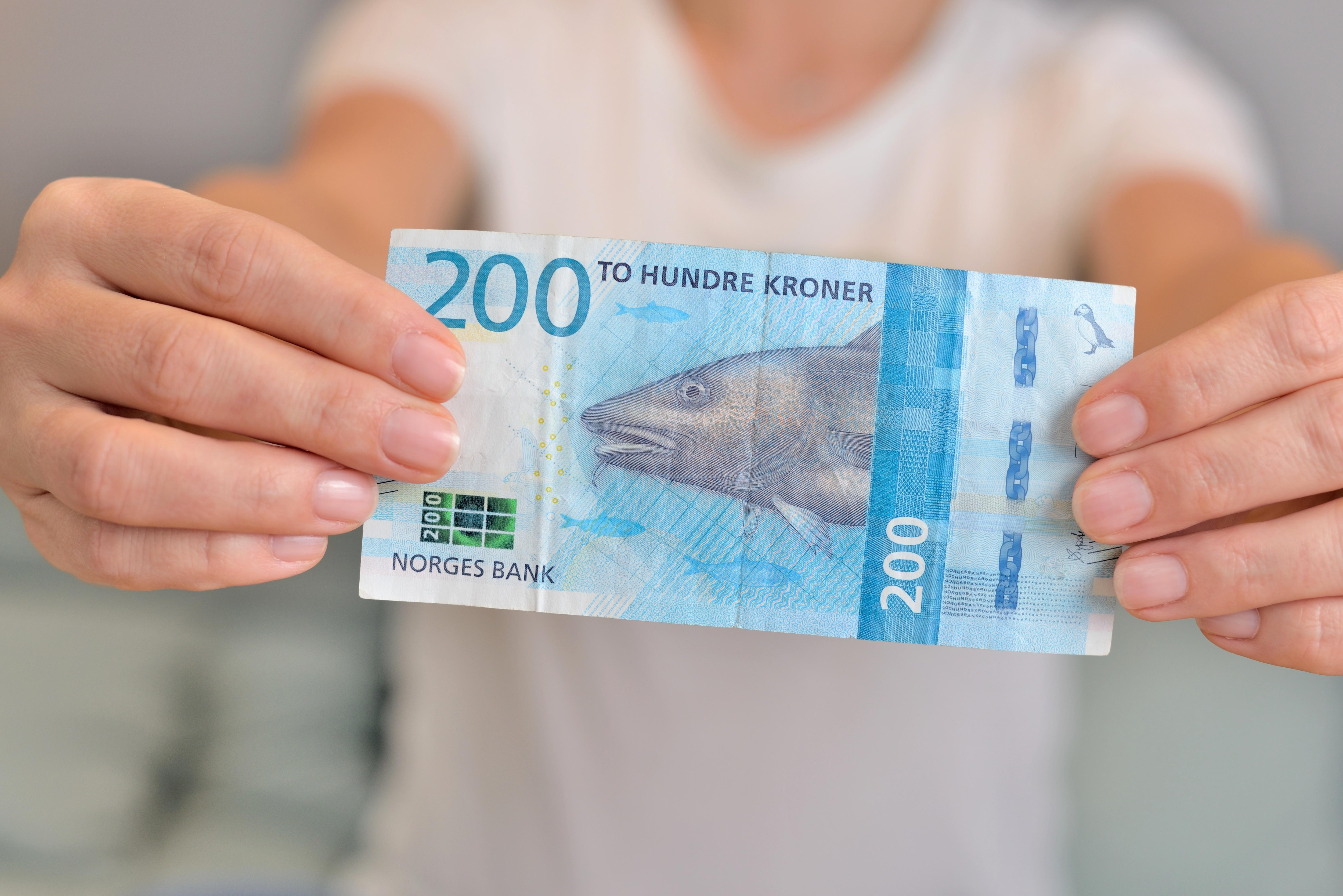
Wealth tax is a levy charged on the value of owned assets, not on current income. In Norway, it includes, among other things, shares, real estate, and other assets above a certain threshold.Photo: Adobe Stock, standard license
Not everyone wants relief for the richest
Kirsti Bergstø, leader of the Socialist Left Party (SV), criticizes the possibility of such large reliefs. Referring to the NOK 100 million figure, she said it was "100 million too much." Bergstø points out that lowering the wealth tax could mean higher taxes and fees elsewhere. According to her, it could also affect the financing of public services.
The largest taxable fortune in Norway belongs to Gustav Magnar Witzøe, an heir associated with Salmar. In 2024, his taxable wealth was NOK 29.9 billion. With the rate lowered to 0.25 percent, he could pay over NOK 200 million less per year. The commission argues that the current tax may reduce the attractiveness of owning and developing businesses in Norway.
The largest taxable fortune in Norway belongs to Gustav Magnar Witzøe, an heir associated with Salmar. In 2024, his taxable wealth was NOK 29.9 billion. With the rate lowered to 0.25 percent, he could pay over NOK 200 million less per year. The commission argues that the current tax may reduce the attractiveness of owning and developing businesses in Norway.
The report also proposes removing discounts in asset valuation, including the 20 percent discount for shares. Today, shares worth NOK 1 million are counted as NOK 800,000 for tax purposes. NRK emphasizes that its calculations are approximate, as tax data do not show the exact structure of the wealthiest individuals' assets.
How do you rate this article?