Norwegian Residents Are Getting Richer. This Was the Income in 2025
Personal income from work in Norway increased by an average of 5.5% in 2025. It amounted to an average of NOK 620,900 for residents aged 17 and over. This was mainly due to higher basic salary payments.

A comparison of wage growth to the inflation rate shows Norwegian salaries are coming out ahead.
Fot. Adobe Stock, licencja standardowa
The data comes from pre-filled tax returns and was published by Statistics Norway (SSB). Personal income includes taxable earnings excluding additional capital income. Preliminary business income data is not included.
Are Norwegians Earning More? Salaries Keep Rising
Men had a higher average work income than women, at NOK 695,800. For women, it was NOK 539,500. However, the nominal increase was similar for both genders.
Basic salary accounted for about 93% of total work income. The total in 2025 was NOK 1,991 billion, received by 3.1 million residents of Norway aged 17 and over. The average payout was NOK 602,900. The highest average cash salary was recorded in the municipality of Bærum.
Basic salary accounted for about 93% of total work income. The total in 2025 was NOK 1,991 billion, received by 3.1 million residents of Norway aged 17 and over. The average payout was NOK 602,900. The highest average cash salary was recorded in the municipality of Bærum.
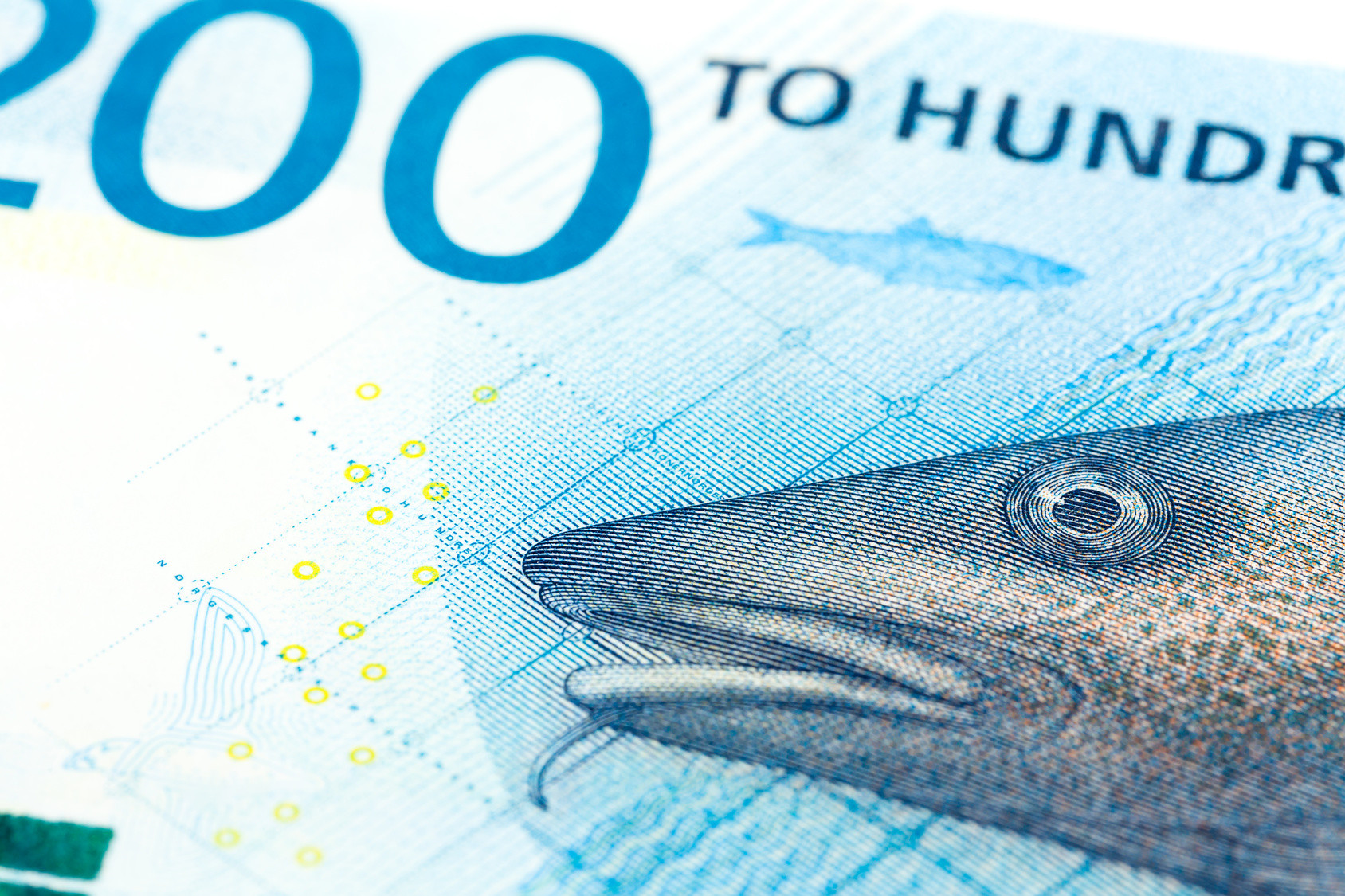
According to SSB data, both salaries and benefits have improved.Source: Photo: Fotolia
Norwegian Residents' Wealth Is Growing. Higher Salaries and Benefits
Payments from AAP benefits continued to rise. Their total value reached NOK 51 billion. The number of recipients increased from 203,900 to 211,000 people. The average payout reached NOK 240,300, a 6.5% increase.
Pension income amounted to NOK 457 billion. Benefits from the public system accounted for 73% of this amount. Disability pensions were received by 437,100 people, totaling NOK 144 billion. In this group, 61% were women.
Pension income amounted to NOK 457 billion. Benefits from the public system accounted for 73% of this amount. Disability pensions were received by 437,100 people, totaling NOK 144 billion. In this group, 61% were women.
SSB has expanded its publication with new tables for municipalities and regions. They cover work income, pensions and disability benefits, housing wealth, bank deposits, investment accounts, and interest. The 2025 data does not yet include the new housing valuation model, which will be implemented from 2026.
How do you rate this article?