Norwegian government wants to amend the budget. Where did they find funds for the revision?
The Norwegian government is increasing spending in the 2026 budget, but plans to use less money from the oil fund. This is made possible by higher tax revenues, higher dividends, and savings on the expenditure side.

The proposal will be negotiated by the Labour Party's budget partners.
Fot. Adobe Stock, licencja standardowa
Jonas Gahr Støre's government has presented an updated draft of the state budget for 2026. Total state spending is expected to reach NOK 2,226 billion. The budget adopted at the end of last year assumed NOK 2,210 billion.
Expenditures are rising by NOK 15.9 billion. Revenues are increasing by NOK 6.3 billion. This means a deterioration of the budget balance by NOK 9.6 billion. Economists assess that the project should not increase pressure on the Norges Bank's interest rate.
Expenditures are rising by NOK 15.9 billion. Revenues are increasing by NOK 6.3 billion. This means a deterioration of the budget balance by NOK 9.6 billion. Economists assess that the project should not increase pressure on the Norges Bank's interest rate.
More for electricity, fuel, and benefits
The biggest change concerns Norgespris and support for electricity bills. Spending on this purpose is increasing by NOK 9.99 billion. This is the main new cost in the budget. The government is also accounting for higher spending in the social security system.
Expenditures in the social security system are expected to increase by NOK 4.4 billion. VAT refunds increase costs by NOK 2 billion. The state wants to allocate NOK 780 million for the purchase of part of Norske Skog's property in Halden. The area is to be used for handling nuclear waste from the nearby research reactor.
Expenditures in the social security system are expected to increase by NOK 4.4 billion. VAT refunds increase costs by NOK 2 billion. The state wants to allocate NOK 780 million for the purchase of part of Norske Skog's property in Halden. The area is to be used for handling nuclear waste from the nearby research reactor.
Higher revenues and cuts mitigate the cost of changes
The government points to higher dividends from companies partially owned by the state. This includes DNB, Kongsberg Gruppen, Yara, and Hydro. Revenues are expected to increase by NOK 4.3 billion. An additional NOK 397 million is expected from dividends from unlisted companies, including Statkraft.
Basic revenues from taxes and fees have been raised by NOK 15.2 billion. This amount already takes into account the temporary reduction in fuel charges, which is expected to cost NOK 5.5 billion. The government also assumes NOK 5 billion in higher structural revenues related to electricity prices.
Basic revenues from taxes and fees have been raised by NOK 15.2 billion. This amount already takes into account the temporary reduction in fuel charges, which is expected to cost NOK 5.5 billion. The government also assumes NOK 5 billion in higher structural revenues related to electricity prices.
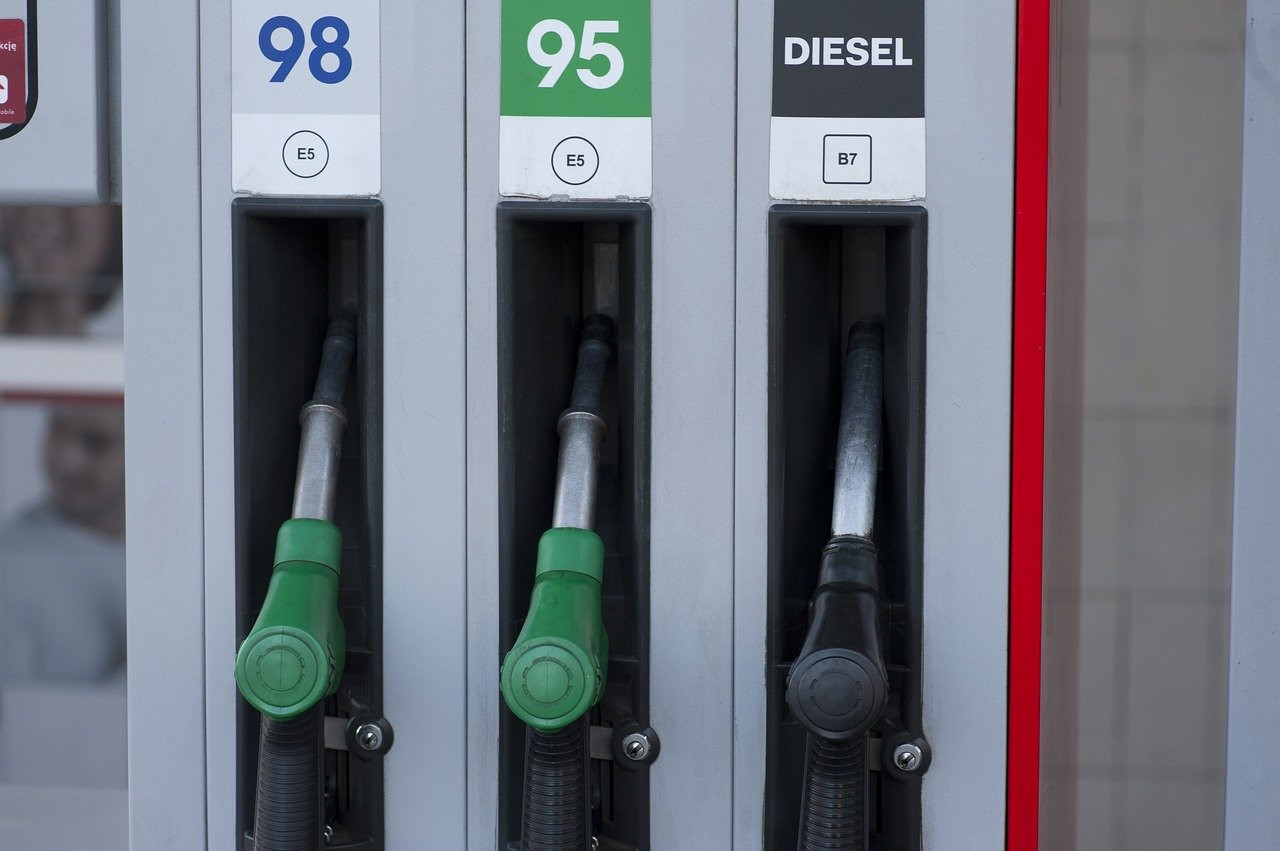
The main element is the inclusion of a reduction in fuel prices.Photo: Pixabay
Norway limits the use of oil money
On the revenue side, there are also reimbursements for refugee costs amounting to NOK 654 million and NOK 301 million from the return of funds from discontinued programs in Eksfin. However, revenues from the sale of climate quotas are expected to be lower, with a decrease of NOK 392 million. On the expenditure side, the government points, among other things, to the halt of the Stad ship tunnel project, which is a shipping tunnel for vessels. This is expected to save NOK 150 million.
A stronger NOK reduces defense spending by NOK 1.27 billion. Changes in the Statens pensjonskasse (state pension fund) are expected to lower costs by NOK 374 million. The planned use of money from the oil fund is to fall by about NOK 5 billion, to NOK 579 billion. This corresponds to 2.7% of the value of the Oil Fund. The Ministry of Finance points out that in good times, annual use of the fund's money should be clearly below 3% so that the state has a buffer for times of crisis.
A stronger NOK reduces defense spending by NOK 1.27 billion. Changes in the Statens pensjonskasse (state pension fund) are expected to lower costs by NOK 374 million. The planned use of money from the oil fund is to fall by about NOK 5 billion, to NOK 579 billion. This corresponds to 2.7% of the value of the Oil Fund. The Ministry of Finance points out that in good times, annual use of the fund's money should be clearly below 3% so that the state has a buffer for times of crisis.
Jens Stoltenberg previously told E24 that in a crisis similar to the oil crisis of 1973, stock markets could take many years to recover. The government will still negotiate the budget proposal with the Green Party, the Red Party, the Socialist Left Party, and the Centre Party.
How do you rate this article?