Norway Wants to Build Up. Nature Will Suffer the Most
A new report points to extensive land development plans in Norway. The scale covers an area comparable to all currently developed land in the country. A significant portion of the investments concerns natural and recreational areas.
The map of changes indicates that residents of Norway must expect a significant loss of green areas.
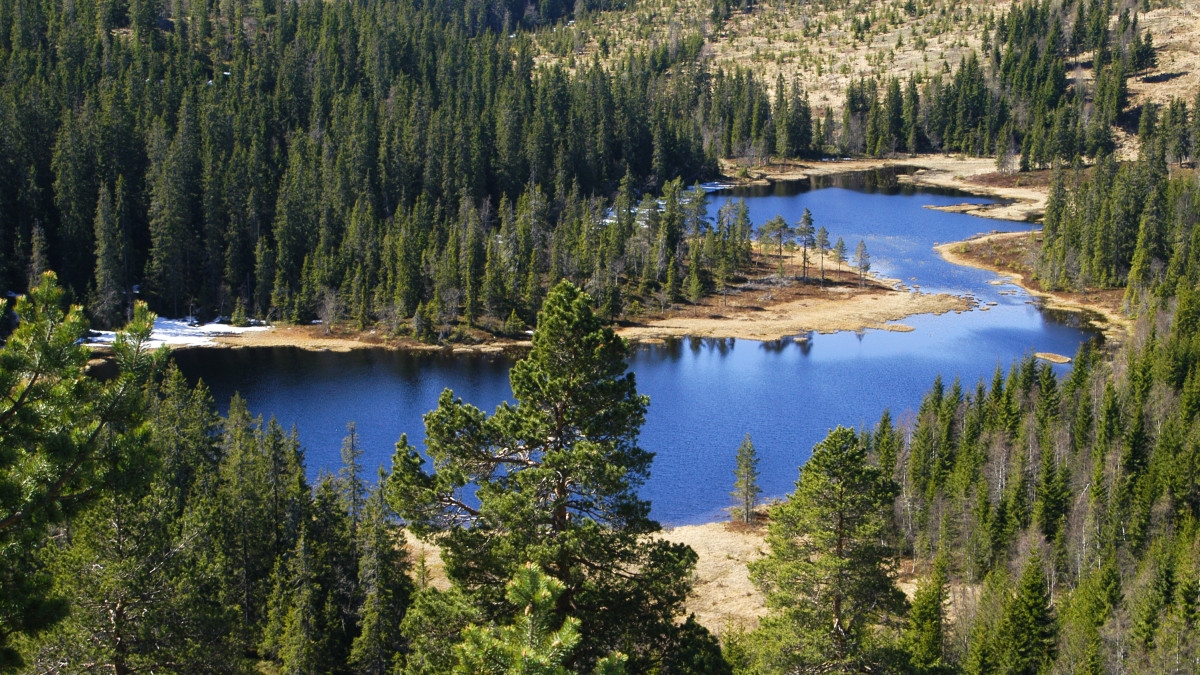
Fot. Peter Prokosch, www.grida.no/resources/3047
A report prepared by the company Norkart for the Norwegian Trekking Association (DNT) presents data on planned land use. It includes both plans resulting from planning documents and sectoral decisions. The total area analyzed exceeds 5,500 km², which is comparable to the former Akershus county. The document also points to potential conflicts with nature conservation and access to recreational areas.
Over 20% of Investments in Untouched Areas
More than 40% of planned investments are located in recreational areas. Most of these are considered important or very important for outdoor activities. The total area of these lands is five times larger than Oslo. About 60 municipalities have not conducted a full inventory of such areas, which means the actual scale may be higher.
The report also points to interference in other types of environments. About 20% of the plans concern areas untouched by human activity. Of this, 6% covers wilderness areas. Another 14% overlaps with natural forests and older stands. About 6% of investments are planned in areas inhabited by reindeer.
The report also points to interference in other types of environments. About 20% of the plans concern areas untouched by human activity. Of this, 6% covers wilderness areas. Another 14% overlaps with natural forests and older stands. About 6% of investments are planned in areas inhabited by reindeer.

Even traditional reindeer grazing areas may be affected.Photo: Diego Delso, CC BY-SA 4.0, via Wikimedia Commons
Norway: A Large Part of Investment Plans Concern Natural Areas
About 85% of the analyzed plans come from municipal documents. The largest share consists of holiday home construction projects, accounting for about 25% of all plans. The remaining investments result from decisions made under sectoral laws, including energy projects.
The report also includes coastal areas. About 2% of the plans are located in the coastal zone—an area equivalent to nearly 20,000 football fields. The authors note that not all plans will be realized. Some may lead to other forms of environmental impact, such as fragmentation or deterioration of land quality.
The report also includes coastal areas. About 2% of the plans are located in the coastal zone—an area equivalent to nearly 20,000 football fields. The authors note that not all plans will be realized. Some may lead to other forms of environmental impact, such as fragmentation or deterioration of land quality.
The document indicates that a significant part of the analyzed areas remains undeveloped. This means there is still an opportunity to make changes to development plans before they are implemented. The report emphasizes the importance of updating planning documents in municipalities and highlights the need to supplement data on recreational areas. The analysis combines information from various sources and previous studies, providing a broader picture of planned land use changes.
How do you rate this article?