Norway launches a plan to reverse disaster. Pollution is rising, fish are at risk
The Oslofjord is in a critical state. The Norwegian government is ramping up restoration efforts and allocating over 90 million kroner for cleanup and ecosystem recovery. Dozens of projects and modern technologies have been involved in the initiative.
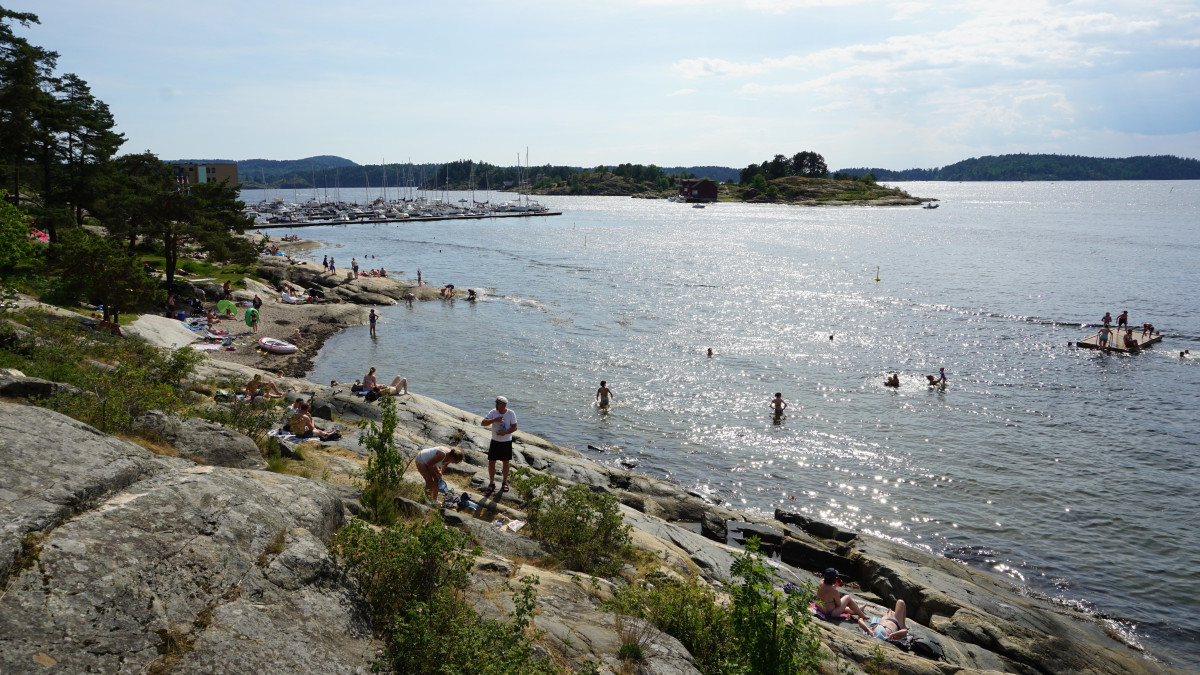
Ecosystem regeneration takes time.
Fot. Adobe Stock, licencja standardowa (zdjęcie poglądowe)
The condition of the Oslofjord is described as very serious. There are dead zones on the seabed, and pollution levels in fish are rising. In response, the authorities have launched a broad support program. Funding will go to 64 projects, with a total amount of 90.1 million kroner.
Government support and the scale of the problem
The Norwegian Environment Agency received 194 applications for support, totaling 378 million kroner. Not all projects received funding. However, the government promises long-term action, and further rounds of support are planned.
Earlier, fishing ban zones were introduced, which sparked controversy among fishermen. At the same time, the authorities emphasize the need to rebuild resources. The Minister of Climate and Environment announces further investments, stressing that current efforts are just the beginning.
Earlier, fishing ban zones were introduced, which sparked controversy among fishermen. At the same time, the authorities emphasize the need to rebuild resources. The Minister of Climate and Environment announces further investments, stressing that current efforts are just the beginning.
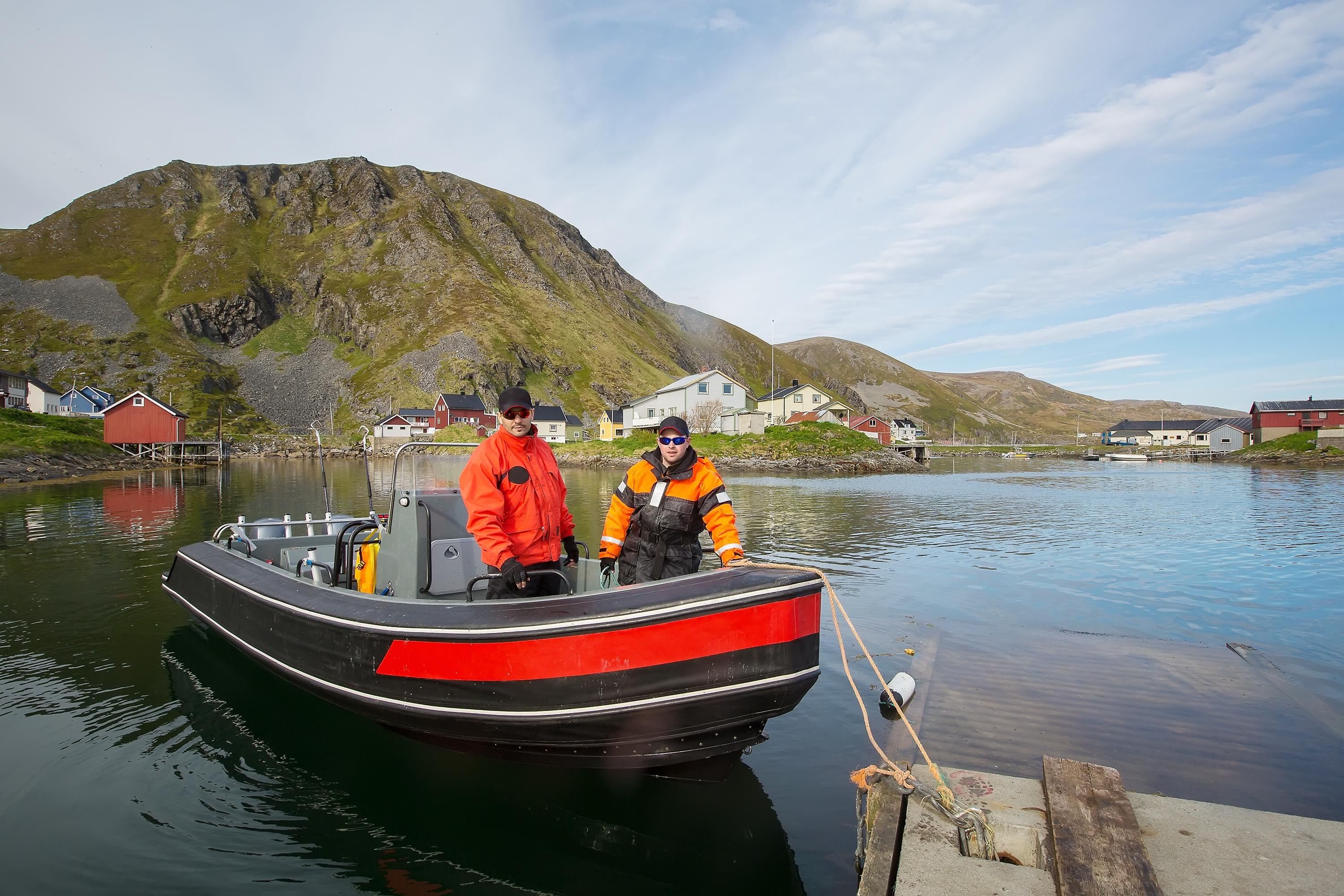
The involvement of fishermen allows the use of the existing fleet without the need for additional investment.Photo: adobe stock/ standard license (illustrative photo)
Technology and cooperation in seabed cleanup
The project "Cleaner Oslofjord Seabed – Northern Part" covers areas north of Horten and Moss. It involves removing various types of waste from the seabed, with particular emphasis on wrecks, abandoned fishing nets, and tires. The waste directly affects marine life and releases harmful substances into the environment.
The company Oceanfront is participating in the activities, using offshore technologies such as sonar and remotely operated cameras. So far, about 400 tons of waste have been removed from the sea, including over 113 tons from the Oslofjord alone. In some locations, it is possible to remove 20–30 tons per day.
The company Oceanfront is participating in the activities, using offshore technologies such as sonar and remotely operated cameras. So far, about 400 tons of waste have been removed from the sea, including over 113 tons from the Oslofjord alone. In some locations, it is possible to remove 20–30 tons per day.
Fishermen are also being involved in the projects. The Norwegian Fishermen's Association from the southern part of the country helps with recruitment. They use their knowledge of the seabed and local conditions, which enables better planning and increases the effectiveness of the work. At the same time, it gives fishermen the opportunity to use their equipment and experience during fishing restrictions.
How do you rate this article?