Norway has found funds for cheaper fuel and electricity. The government wants to amend the budget
The Norwegian government wants to reduce the planned use of money from the Oil Fund by about NOK 5 billion. At the same time, it is increasing spending on Norgespris, social support, and fuel fee reductions.
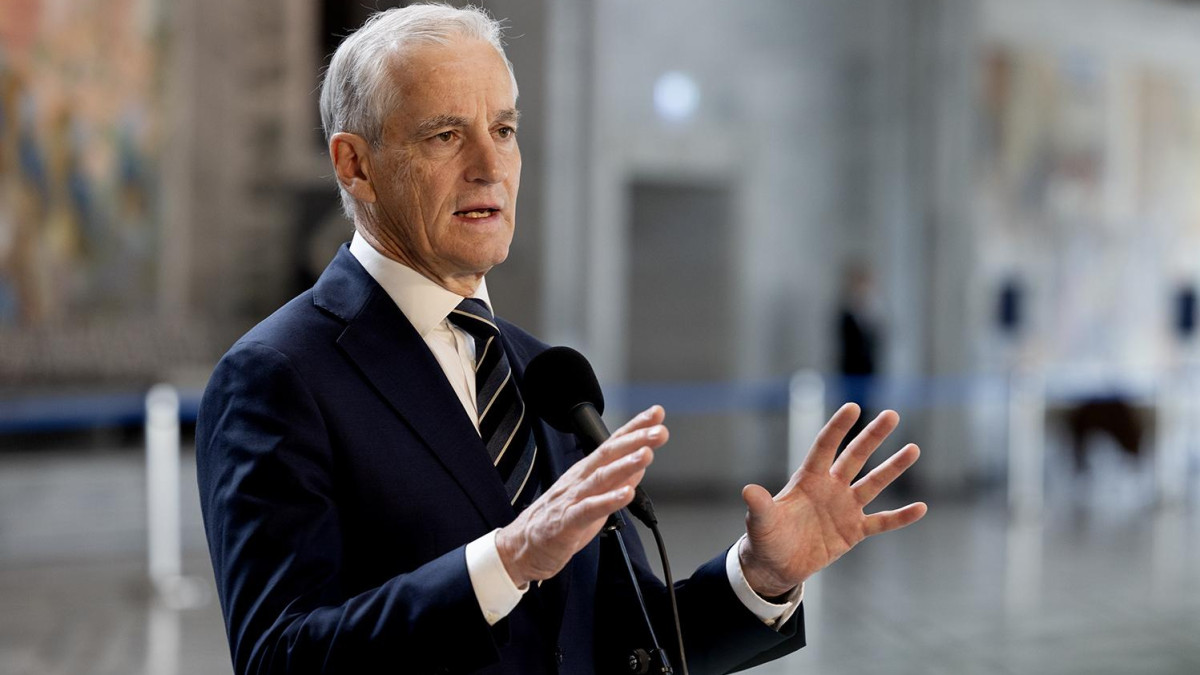
The government presented the revised budget proposal on May 12, 2026.
Fot. Stine Østby (Flickr.com, CC BY-NC 2.0)
On Tuesday, May 12, the government presented a draft updated state budget for 2026. The total state expenditure is expected to reach NOK 2,226 billion. This is more than the NOK 2,210 billion recorded in the budget adopted at the end of 2025. According to economists, the proposal should not increase pressure on the Norges Bank interest rate.
Higher spending on electricity and benefits. Will Norway's finances change?
The government proposes to increase spending by NOK 15.9 billion. Revenues are expected to rise by only NOK 6.3 billion. These changes alone weaken the budget by NOK 9.6 billion. The largest adjustment concerns Norgespris and support for energy bills.
An additional NOK 9.99 billion is needed for this purpose. Social security system expenditures are rising by NOK 4.4 billion. VAT refunds increase spending by NOK 2 billion. The state also wants to allocate NOK 780 million to purchase part of Norske Skog's property in Halden. The area is to be used for handling nuclear waste from the nearby research reactor.
An additional NOK 9.99 billion is needed for this purpose. Social security system expenditures are rising by NOK 4.4 billion. VAT refunds increase spending by NOK 2 billion. The state also wants to allocate NOK 780 million to purchase part of Norske Skog's property in Halden. The area is to be used for handling nuclear waste from the nearby research reactor.
A major change includes, among others, expenditures resulting from the introduction of fuel price reductions.Photo: Rawpixel
Higher revenues help the budget. Norway benefits
The government points out that it found some of the money on the revenue side. Dividends from companies partially owned by the state are increasing by NOK 4.3 billion. This includes DNB, Kongsberg Gruppen, Yara, and Hydro. Refunds of refugee expenditures provide NOK 654 million in revenue. Dividends from unlisted companies, such as Statkraft, increase income by NOK 397 million.
Higher tax and fee revenues also help. These have been raised by a total of NOK 15.2 billion compared to the previously adopted budget. This amount already includes the temporary reduction in gasoline and diesel fees, which is expected to cost NOK 5.5 billion. The government also assumes an additional NOK 5 billion in structural revenues related to higher electricity prices.
Higher tax and fee revenues also help. These have been raised by a total of NOK 15.2 billion compared to the previously adopted budget. This amount already includes the temporary reduction in gasoline and diesel fees, which is expected to cost NOK 5.5 billion. The government also assumes an additional NOK 5 billion in structural revenues related to higher electricity prices.
The planned use of money from the Oil Fund is set to fall to NOK 579 billion in 2026. This corresponds to 2.7% of the fund's value. The Ministry of Finance indicates that this level is the maximum recommended in "normal times." The ministry also emphasizes the need for a buffer in case of crises and a decline in the fund's value.
How do you rate this article?