Norway Awaits VAT Reduction on Food. Ministry: This Won't Solve the Price Hike Problem
Cutting VAT on food by half could reduce inflation in Norway by up to 0.8 percent, according to calculations by Finance Minister Jens Stoltenberg. However, the impact on core inflation would be limited.
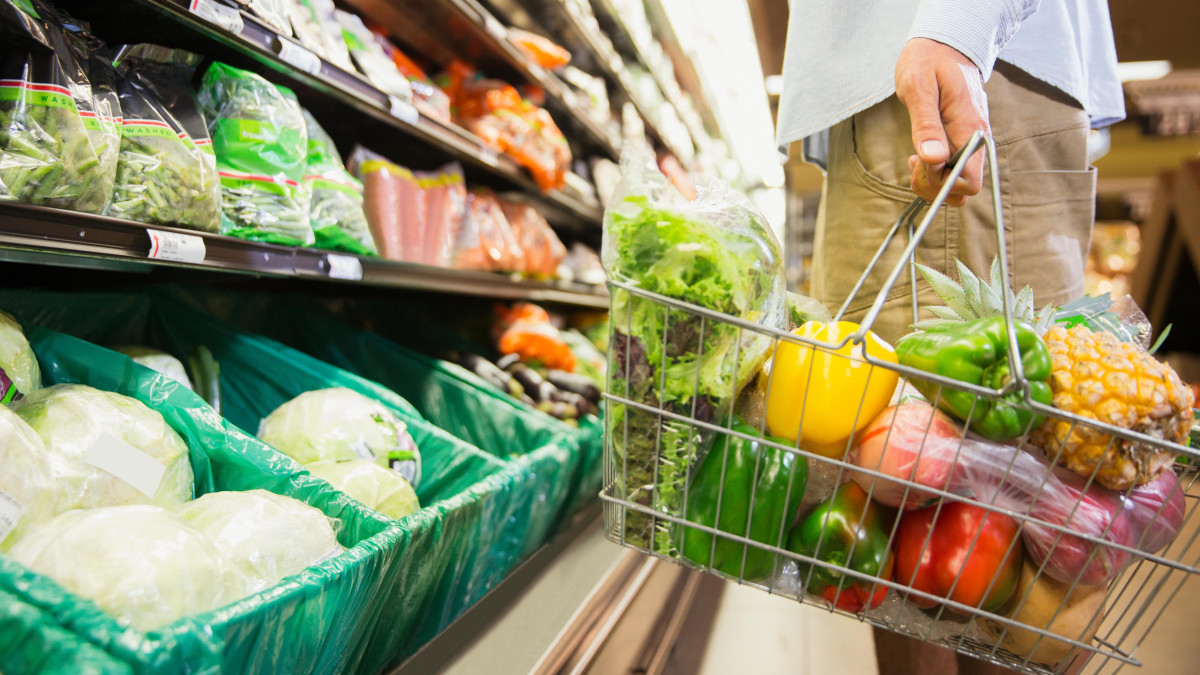
The proposals are intended to help people in difficult financial situations.
Fot. Adobe Stock, licencja standardowa (zdjęcie poglądowe)
The proposal to reduce VAT on food is one of the solutions being considered by parliament to support households struggling with high living costs. Finance Minister Jens Stoltenberg presented detailed calculations regarding the measure. The data indicate a noticeable impact on overall inflation. At the same time, the significance for monetary policy remains limited. In March, year-on-year inflation stood at 3.6 percent.
Impact on Inflation and Central Bank Decisions
Calculations by the Ministry of Finance show that halving VAT on food could reduce the consumer price index by about 0.7 percent in the first year. In the following year, the effect would increase to around 0.8 percent. The estimates assume the full transfer of the tax change to retail prices. However, the minister points out significant uncertainty in these calculations. The response was presented in writing to Tom Staahle from the Progress Party.
Norges Bank bases its interest rate decisions on core inflation. This indicator excludes the impact of tax and energy price changes. Therefore, the effect of the VAT reduction in this context is much smaller. In March, core inflation stood at 3.0 percent. This means the proposal would have a limited impact on central bank decisions.
Norges Bank bases its interest rate decisions on core inflation. This indicator excludes the impact of tax and energy price changes. Therefore, the effect of the VAT reduction in this context is much smaller. In March, core inflation stood at 3.0 percent. This means the proposal would have a limited impact on central bank decisions.
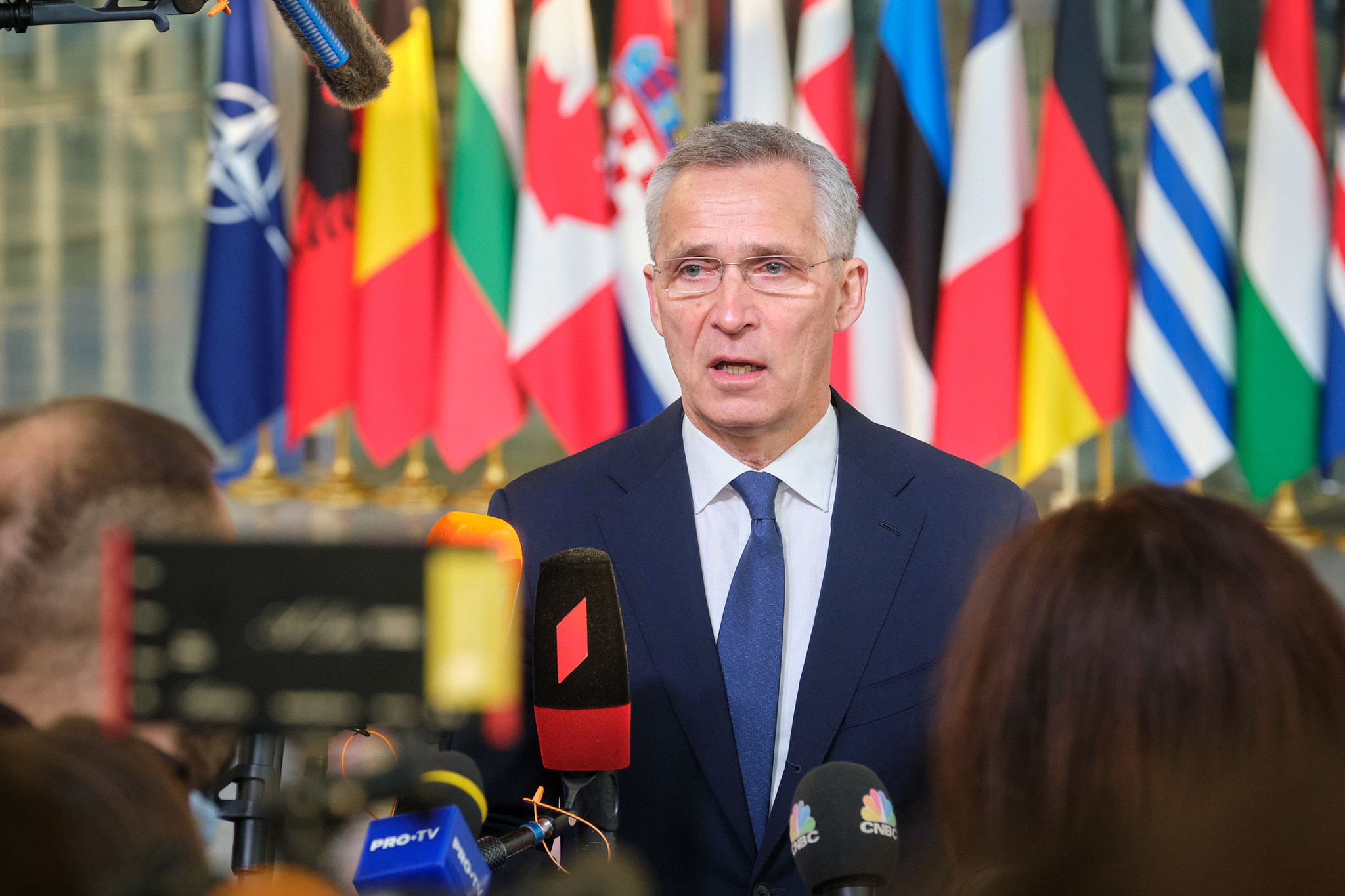
The mechanism does not differentiate support based on income.Photo: flickr.com/NATO/https://creativecommons.org/licenses/by-nc-nd/2.0/
Costs for the Budget and Redistributive Effects
The Ministry of Finance estimates that reducing VAT on food would decrease state revenues by about NOK 16 billion annually. By comparison, temporary tax cuts on fuels cost around NOK 6.7 billion. VAT remains one of the main sources of state revenue. In 2026, it is expected to bring in around NOK 420 billion, accounting for about 20 percent of the budget.
The minister also points out how the benefits are distributed. The reduction would apply to all consumers, with the greatest savings going to higher-income households. Calculations show that for every krone of support for the poorest, two go to the wealthiest. In the ministry's view, such a solution is not a precise tool.
The minister also points out how the benefits are distributed. The reduction would apply to all consumers, with the greatest savings going to higher-income households. Calculations show that for every krone of support for the poorest, two go to the wealthiest. In the ministry's view, such a solution is not a precise tool.
The Ministry of Finance points out that more targeted support can be provided through budget expenditures. Such mechanisms allow aid to be better tailored to specific groups. The issue of VAT changes remains part of a broader debate on how to respond to rising prices.
How do you rate this article?