Norges Bank with a new appeal: You should always have cash on hand
The Central Bank of Norway (Norges Bank) recommends that residents keep cash at home in case of a power outage or payment system failure. This applies to situations where your phone, payment terminal, or bank connection doesn't work. However, the central bank does not specify a single amount for everyone.
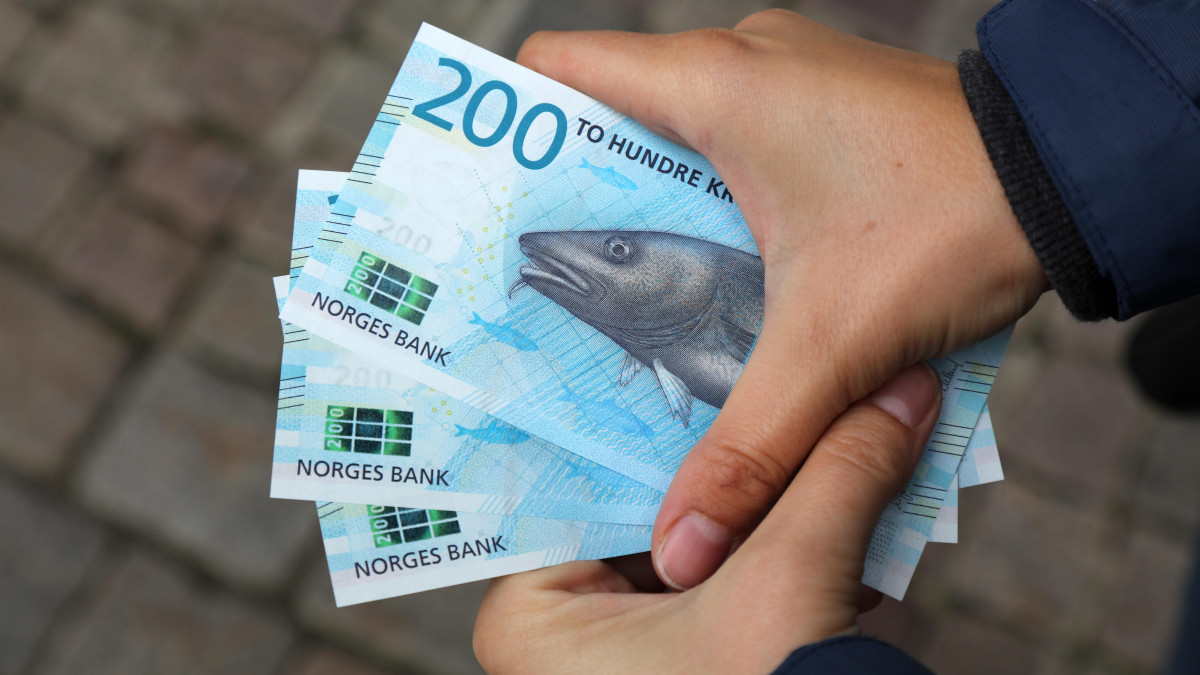
Cash is considered one of the most reliable means during a crisis or outage.
Fot. Adobe Stock, licencja standardowa
Torbjørn Hægeland, Director of Financial Stability at Norges Bank, says the amount of cash needed depends on the household. Family needs and the stock of basic products at home are also important. He himself keeps several thousand NOK.
Norges Bank points to three elements of preparation: several payment cards, cash, and accounts at different banks. The goal is to have more than one payment option if the data network or electricity stops working.
Norges Bank points to three elements of preparation: several payment cards, cash, and accounts at different banks. The goal is to have more than one payment option if the data network or electricity stops working.
Cash at home. The bank does not specify an exact amount
The Swedish Central Bank (Riksbanken) gave a more specific recommendation in March. According to their guidelines, every adult in a family should have 1,000 kronor set aside. Norges Bank does not want to indicate a single sum and leaves the decision to residents.
Hægeland emphasizes that household needs vary, and the size of the reserve also depends on what essential goods are already at home. In practice, it's about having funds for shopping if other payment methods fail. Cash should be one solution, but not the only one.
Hægeland emphasizes that household needs vary, and the size of the reserve also depends on what essential goods are already at home. In practice, it's about having funds for shopping if other payment methods fail. Cash should be one solution, but not the only one.
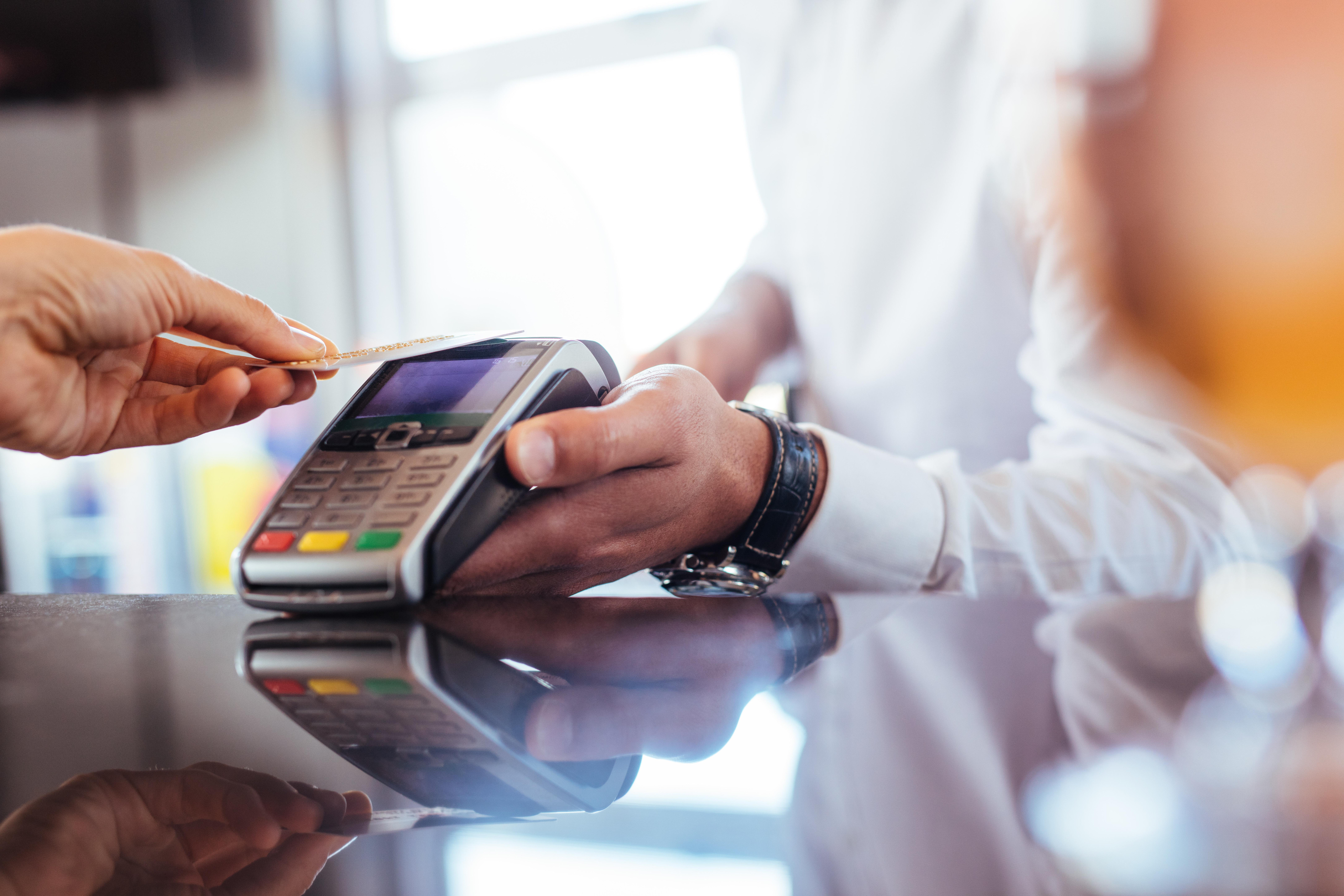
Norges Bank emphasizes not to rely solely on cash and to also secure payment cards.Photo: Adobe Stock, standard license
Norwegian guidelines: card, cash, and a second bank
The organization Finans Norge notes that cash will not solve every problem in a serious crisis. Tom Staavi, Director of Communications at Finans Norge, told NRK that full national readiness based solely on cash would be very costly. Therefore, having several payment methods is most important. He points to physical Visa, Mastercard, and BankAxept cards.
Many terminals have backup solutions. Staavi explains that a card linked to a regular payment account is automatically connected to the BankAxept system. In offline mode, you can buy various goods for the first six hours after an outage. For food, medicine, and fuel, the solution is supposed to work for up to seven days.
Many terminals have backup solutions. Staavi explains that a card linked to a regular payment account is automatically connected to the BankAxept system. In offline mode, you can buy various goods for the first six hours after an outage. For food, medicine, and fuel, the solution is supposed to work for up to seven days.
Work on a longer reserve is already underway. A working group involving authorities, Norges Bank, and the financial industry has proposed extending the offline system for food, medicine, and fuel to four weeks. The conditions for implementing such a solution are currently being analyzed.
How do you rate this article?