Norges Bank has decided. What’s next for interest rates in Norway?
Norges Bank has decided to keep the main interest rate at 4.0 percent. The decision was made during the central bank’s last meeting of the year. At the same time, the institution signals the possibility of rate cuts in the coming years. According to forecasts, one or two cuts are possible in 2026.
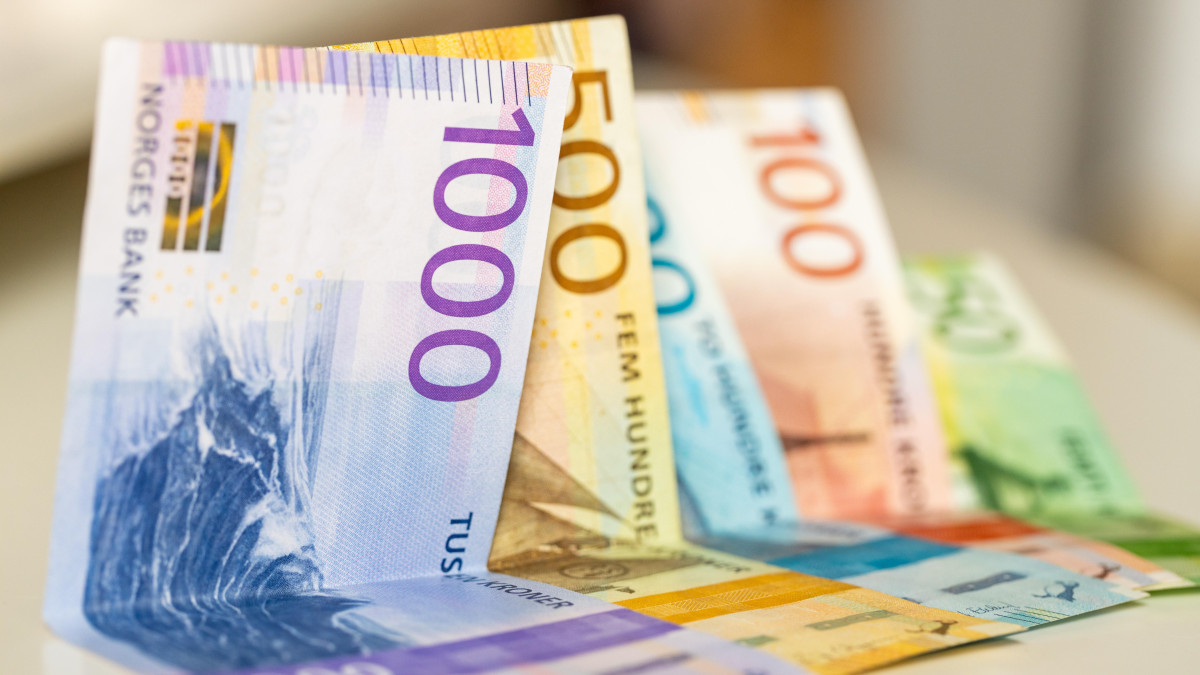
A weaker krone may affect import prices.
Fot. Adobe Stock, licencja standardowa
During a press conference, Norges Bank Governor Ida Wolden Bache explained that the central bank is not rushing to further ease monetary policy. She recalled that earlier this year, rates were cut twice, in June and September.
The current decision was widely expected by the market. The central bank emphasizes that further moves will depend on the development of the economic situation.
The current decision was widely expected by the market. The central bank emphasizes that further moves will depend on the development of the economic situation.
Forecasts for the coming years
In the published interest rate path, Norges Bank assumes further cuts in 2026. The forecast assumes the possibility of lowering the reference rate once or twice next year.
In the longer term, the rate is expected to fall to just above 3 percent by the end of 2028. The average mortgage interest rate is then expected to be just over 4.5 percent.
In the longer term, the rate is expected to fall to just above 3 percent by the end of 2028. The average mortgage interest rate is then expected to be just over 4.5 percent.
Norges Bank observes signs of weaker economic growth.Photo: flickr.com/norgesbank/Photo: Espen Schive/CC BY-ND 2.0
Inflation and the state of the economy
The central bank notes that inflationary pressure remains, although it is weakening. Core inflation in November fell to 3 percent, which was slightly below previous forecasts.
However, it still remains clearly above the inflation target of 2 percent. At the same time, there are signs of weaker economic growth and slightly greater availability of resources in the labor market.
However, it still remains clearly above the inflation target of 2 percent. At the same time, there are signs of weaker economic growth and slightly greater availability of resources in the labor market.
Labor market and NOK exchange rate
Macroeconomic data indicate a slowdown in economic activity. In the third quarter, growth in Norway’s mainland economy was 0.1 percent. Unemployment in November remained at 2.2 percent, although it was slightly higher than the central bank’s earlier assumptions.
After the announcement that rates would remain unchanged, exchange rate fluctuations were limited. Just before the decision, the euro cost 11.99 NOK and the dollar 10.22 NOK. After the decision, the euro was priced at 11.96 NOK, while the dollar cost 10.20 NOK.
After the announcement that rates would remain unchanged, exchange rate fluctuations were limited. Just before the decision, the euro cost 11.99 NOK and the dollar 10.22 NOK. After the decision, the euro was priced at 11.96 NOK, while the dollar cost 10.20 NOK.
How do you rate this article?