More Expensive Flights Ahead. Airlines Respond to Sharp Rise in Fuel Prices
Rising oil and jet fuel prices are beginning to affect ticket prices. More and more airlines are considering or have already implemented fare increases. Norwegian does not rule out price changes. SAS has introduced a temporary fuel surcharge on some flights.
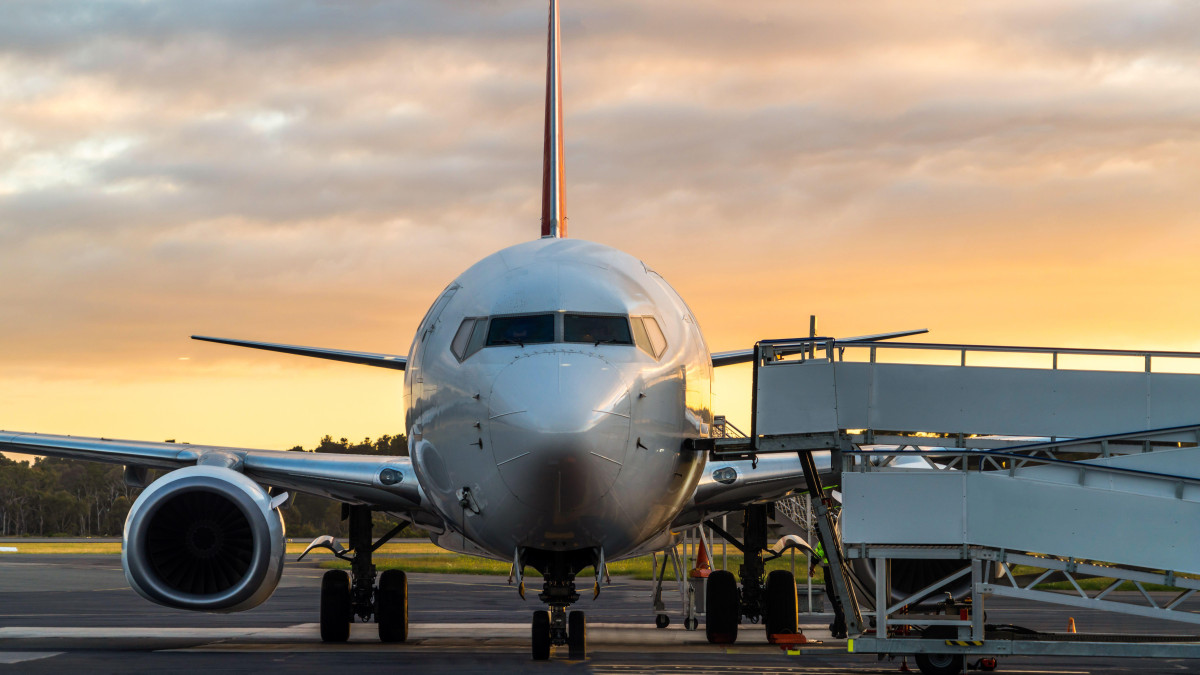
The conflict in the Middle East is driving up fuel prices and disrupting air traffic.
Fot. Scanpix
The industry portal Check-in.dk reported on the new SAS fee. The company explains the decision by the rapid increase in jet fuel costs. The airlines emphasize that they usually try to absorb rising costs themselves. This time, however, the scale of the changes proved too great.
Airlines Consider Ticket Price Increases
Norwegian reports that it is working on measures to limit the impact of rising costs. The airline also wants to maintain competitive prices for passengers. Company representatives emphasize that any adjustments may vary depending on the route. Therefore, price changes may be introduced gradually. The situation is being monitored on an ongoing basis.
Air New Zealand, among others, has already introduced increases. The price of domestic flight tickets has risen by 10 New Zealand dollars. On shorter international routes, the increase is 20 dollars. On long-haul flights, a surcharge of 90 dollars has been added. The carrier reports that the price of jet fuel has risen from about 85–90 dollars per barrel to as much as 150–200 dollars in recent days.
Air New Zealand, among others, has already introduced increases. The price of domestic flight tickets has risen by 10 New Zealand dollars. On shorter international routes, the increase is 20 dollars. On long-haul flights, a surcharge of 90 dollars has been added. The carrier reports that the price of jet fuel has risen from about 85–90 dollars per barrel to as much as 150–200 dollars in recent days.

The closure of parts of the airspace complicates flights.Photo: SAS press materials
Rising Fuel Costs in Aviation
SAS points out that oil prices directly affect jet fuel costs. This is one of the largest expense items in the global aviation industry. Any sharp price movement immediately impacts operational costs. According to the company, the current price increase has been exceptionally rapid. That is why a temporary price adjustment was decided.
SAS Head of Communications Øystein Schmidt stated that the airline is trying to limit the effects of cost fluctuations. However, with such large changes, a response was necessary. The goal is to maintain stable and reliable operations. The airline did not answer questions about specific routes subject to the surcharge. The amount of the additional fee was also not disclosed.
SAS Head of Communications Øystein Schmidt stated that the airline is trying to limit the effects of cost fluctuations. However, with such large changes, a response was necessary. The goal is to maintain stable and reliable operations. The airline did not answer questions about specific routes subject to the surcharge. The amount of the additional fee was also not disclosed.
The rise in fuel prices is linked to tensions and conflict in the Middle East region. The closure of parts of the airspace and changes in flight routes are increasing airlines' operating costs. The tourism industry is also feeling the impact. Thai authorities warn that if the conflict lasts more than eight weeks, the country could lose up to 600,000 tourists.
How do you rate this article?