It Wasn't a Normal April. Records Were Broken Across Almost the Entire Country
April 2026 brought exceptionally high temperatures to northern Norway. On Svalbard, values above the norm were recorded every day. The data indicate a continuation of the trend of warm winters and springs, as well as a rapid pace of climate change.
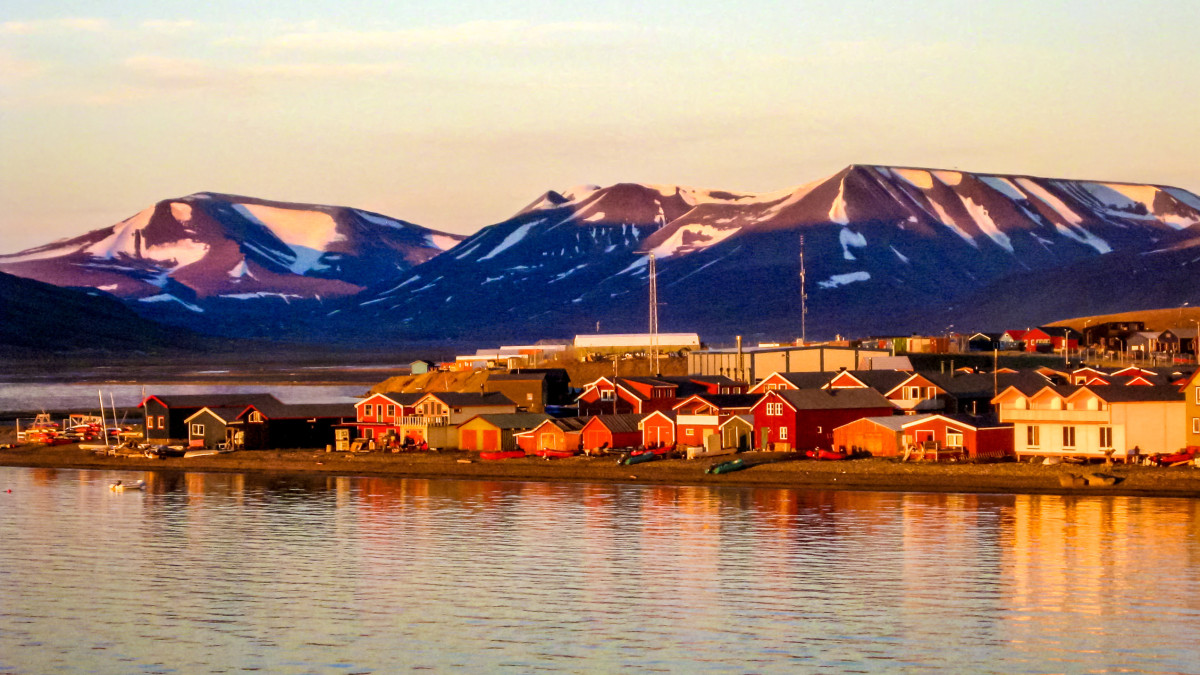
There is a trend toward more extreme weather conditions on Svalbard.
Fot. Adobe Stock, licencja standardowa (zdjęcie poglądowe)
According to the Norwegian Meteorological Institute, last month was one of the warmest in the history of measurements. Nationwide, it ranked second, matching the result from April 2019. Records have been kept since 1901. Many regions saw temperature records broken. The phenomena were especially noticeable in the Arctic.
Temperature Records Across the Country
In April, 49 records for average monthly temperature were set. There were also 35 records for maximum temperatures. The highest value was measured in Kongsberg, where thermometers showed 26.5 degrees. This is a new record for the Buskerud region.
On Jan Mayen, a record for average monthly temperature was set at 0.9 degrees. This is the second consecutive month with a record, following March. Measurements there have been conducted since 1921. Scientists point to the rapid pace of change and ongoing global warming caused by humans. They emphasize that it is not the Sun responsible for the current warming. Its activity has not changed enough to explain the temperature rise. Therefore, scientists indicate that the main cause is factors related to human activity.
On Jan Mayen, a record for average monthly temperature was set at 0.9 degrees. This is the second consecutive month with a record, following March. Measurements there have been conducted since 1921. Scientists point to the rapid pace of change and ongoing global warming caused by humans. They emphasize that it is not the Sun responsible for the current warming. Its activity has not changed enough to explain the temperature rise. Therefore, scientists indicate that the main cause is factors related to human activity.
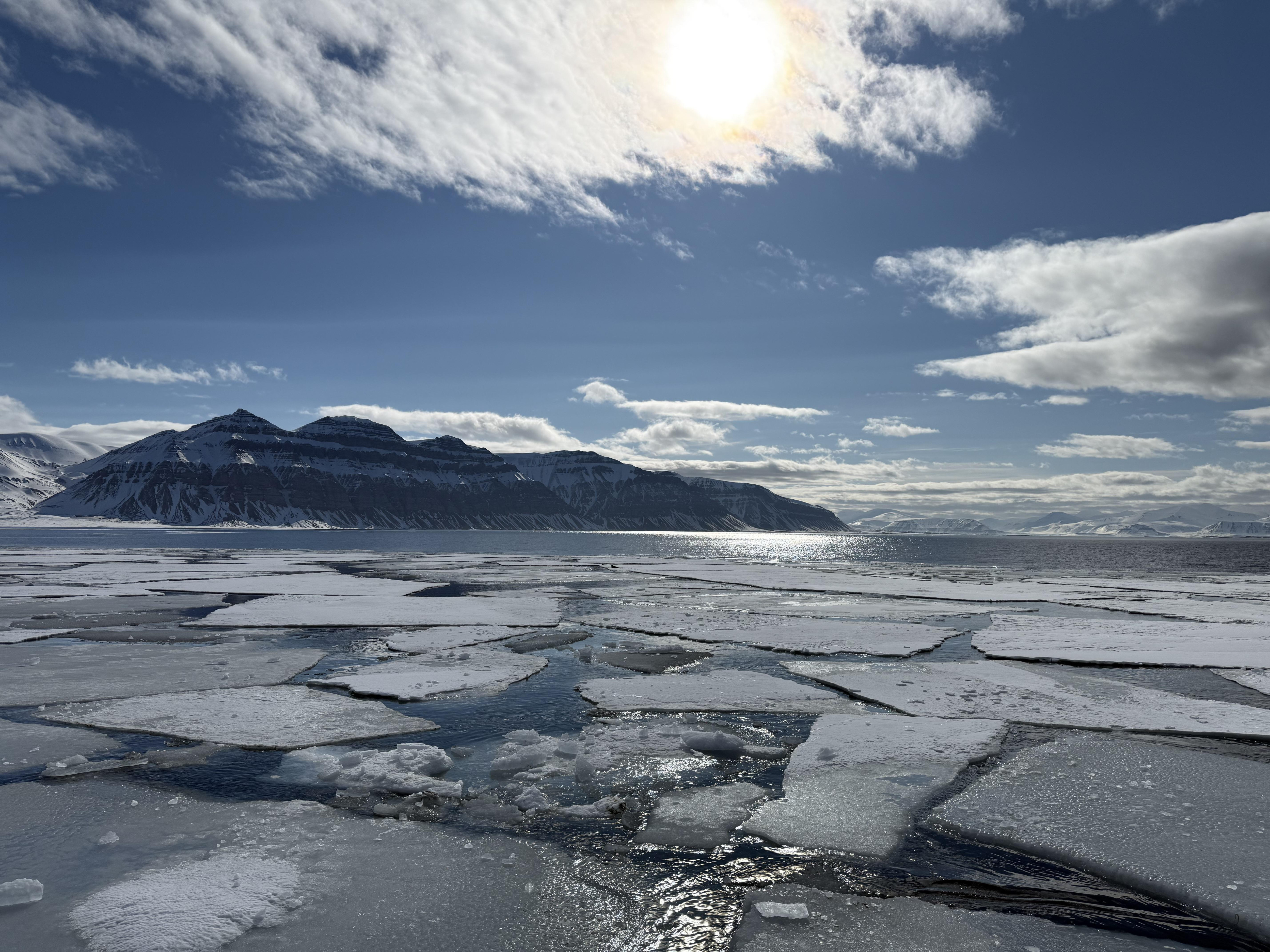
Changes in weather conditions affect the natural environment of the Arctic.Photo: Marit Kollstuen/MET (illustrative photo)
Svalbard and Challenges for Research
Throughout April, temperatures on Svalbard were above normal. On some days, they exceeded the norm by 5 to 6 degrees. This led to ice melting and rivers opening up. Terrain conditions became more difficult, making scientific research harder to conduct.
Researchers point to problems in carrying out field projects. The conditions this winter and spring were considered the most difficult since 1995. This applies, among others, to studies on the reindeer population. At the same time, the extent of sea ice was very low—the second lowest result for April since 1978.
Researchers point to problems in carrying out field projects. The conditions this winter and spring were considered the most difficult since 1995. This applies, among others, to studies on the reindeer population. At the same time, the extent of sea ice was very low—the second lowest result for April since 1978.
Varied Precipitation and Snow Cover
April saw large differences in precipitation. The south of the country was very wet, while the north, especially Finnmark, was exceptionally dry. Overall, there was 15 percent less precipitation than usual.
At the end of the month, more snow than normal was recorded only locally. This applied to parts of the mountains in southern Norway and selected areas in the north. In other regions, the snow cover was lower than expected. This may affect water levels in the coming weeks, especially in areas dependent on snowmelt.
At the end of the month, more snow than normal was recorded only locally. This applied to parts of the mountains in southern Norway and selected areas in the north. In other regions, the snow cover was lower than expected. This may affect water levels in the coming weeks, especially in areas dependent on snowmelt.
How do you rate this article?