Is the Norwegian Right Pushing for a Police State? The Debate Over Cameras and Facial Recognition
Swedish police have been granted the ability to use artificial intelligence and real-time facial recognition. Politicians from Norway's Progress Party are demanding similar regulations. However, the ruling government is rejecting the proposed changes.
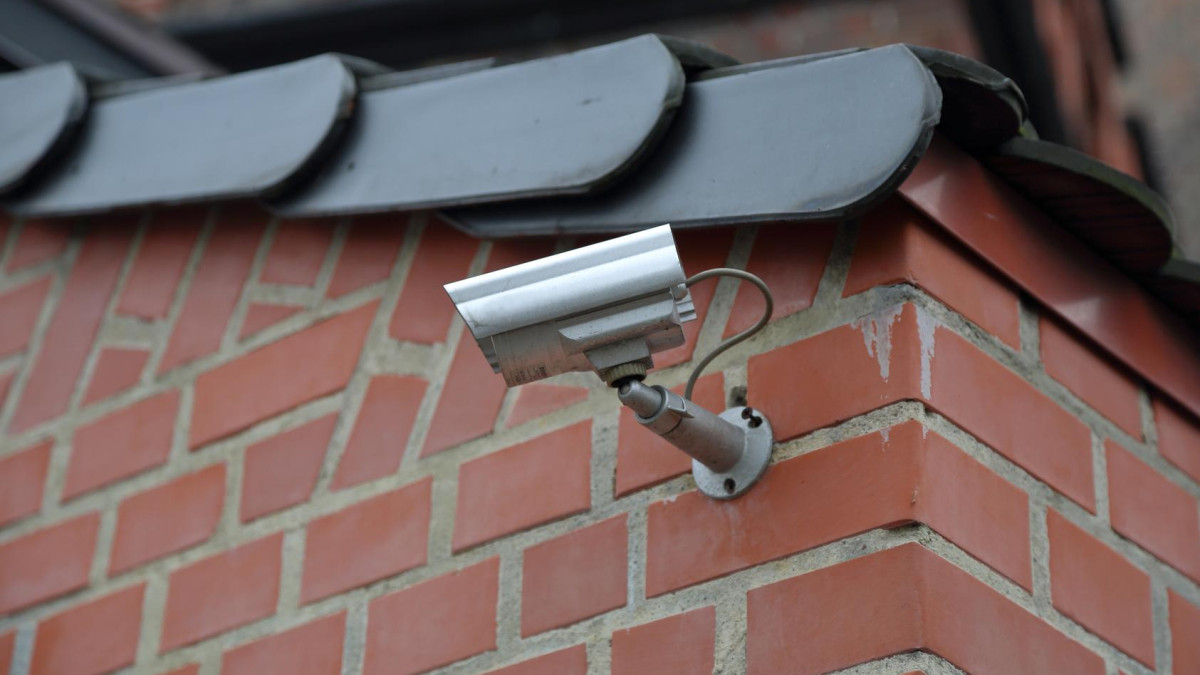
The Norwegian government wants to introduce new regulations with privacy protection in mind.
Fot. Fotolia (zdjęcie poglądowe)
Swedish Minister of the Interior Erik Slottner announced that real-time facial recognition will allow police to respond more quickly to threats. The technology is intended to help identify wanted individuals. The tool is based on image analysis supported by artificial intelligence, aiming to streamline law enforcement operations.
Artificial Intelligence in Norway: How the Police Will Use It
The Norwegian government does not plan to introduce such real-time solutions. Minister of Justice Astri Aas-Hansen has proposed that police should only be allowed to use recordings and artificial intelligence after the fact. Each use would require approval from the prosecutor's office. The proposal was sent for consultation in November, with the deadline for responses set for mid-January 2026.
"The police need appropriate legal frameworks to carry out their tasks of ensuring safety in Norway and combating crime. The development of new technologies and artificial intelligence opens up new possibilities for the police, which must be managed wisely. The use of artificial intelligence in investigations is important in the fight against crime and can, among other things, help identify suspects. At the same time, some tools may infringe on our privacy," said Minister of Justice and Public Security Astri Aas-Hansen.
"The police need appropriate legal frameworks to carry out their tasks of ensuring safety in Norway and combating crime. The development of new technologies and artificial intelligence opens up new possibilities for the police, which must be managed wisely. The use of artificial intelligence in investigations is important in the fight against crime and can, among other things, help identify suspects. At the same time, some tools may infringe on our privacy," said Minister of Justice and Public Security Astri Aas-Hansen.
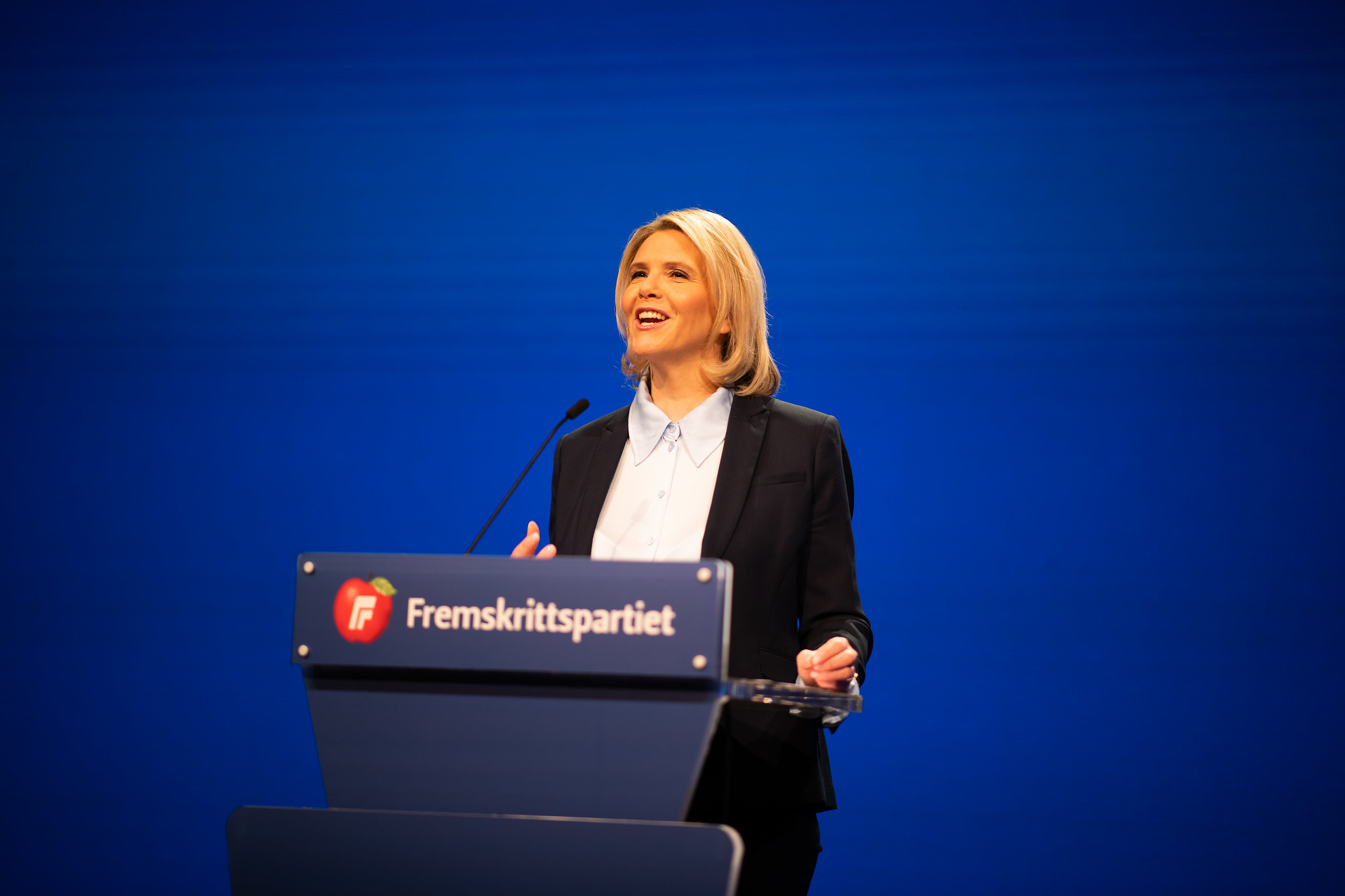
Progress Party politicians are taking cues from legal changes in other Nordic countries.Photo: Flickr.com/Fremskrittpartiet/https://creativecommons.org/licenses/by-nc-nd/2.0/
Progress Party Wants to Copy Swedish Regulations
Progress Party politicians argue that the lack of real-time facial recognition could increase the risk of cross-border crime. They point to actions taken by Sweden and Denmark, which have already allowed such technologies. In Norway, the issue remains open as consultations on the proposal continue.
"It's unfortunate that progress requires action at the expense of privacy. However, I believe it will be worse for all of us if we don't stop criminals. I think this measure poses little risk to innocent people," commented Jon Engen-Helgheim, chairman of the Storting's Justice Committee (Progress Party), in VG.
"It's unfortunate that progress requires action at the expense of privacy. However, I believe it will be worse for all of us if we don't stop criminals. I think this measure poses little risk to innocent people," commented Jon Engen-Helgheim, chairman of the Storting's Justice Committee (Progress Party), in VG.
This is not the first proposal from the Progress Party regarding the use of cameras and artificial intelligence in real time. In the summer, party leader Sylvi Listhaug suggested using the technology at border crossings to monitor people entering the country.
How do you rate this article?