First the explosion in Oslo, then the attack on Utøya. 15 years since the tragedy
July 22, 2026 marks 15 years since the attacks in Oslo and on the island of Utøya. In two attacks carried out by Anders Behring Breivik, 77 people were killed and 319 were injured. Norway remembers the victims of a day that became the country's greatest tragedy since World War II.
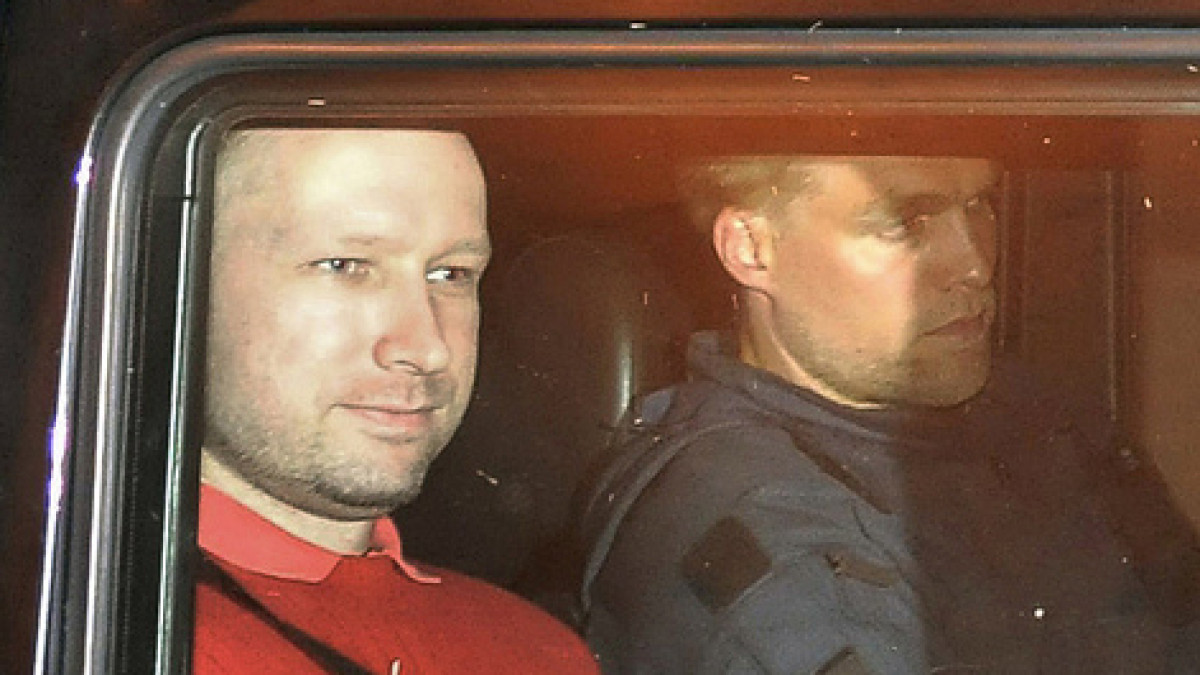
While in prison, Breivik accused Norway of violating human rights. He also supported Russia's attack on Ukraine.
Fot. Flickr.com/Lwp Kommunikáció/CC BY 2.0
The attacks happened one after another. First, a bomb exploded in the government district of Oslo, and less than two hours later, a shooting began at the Norwegian Labour Party Youth (AUF) camp. The targets were government employees, random people, and young participants of the meeting. The perpetrator was apprehended that same evening and later sentenced to 21 years of preventive detention.
First the explosion in Oslo. Then the attack on Utøya
On July 22, 2011, at 3:25 p.m., a car bomb exploded in front of the Regjeringskvartalet government complex. The blast damaged buildings in central Oslo, shattered windows in a 17-story office building, and scattered debris within a radius of about one kilometer. Eight people were killed. 209 people were injured, including 12 seriously. The city center was closed off, and evacuation began from nearby buildings.
The perpetrator left Oslo and headed to Lake Tyrifjorden. He then took a ferry to Utøya, posing as a police officer conducting a check after the attack in the capital. About 700 people were on the island. At 5:22 p.m., he began shooting, which lasted over an hour. He killed 69 people and injured 110, and was apprehended by police around 6:35 p.m.
The perpetrator left Oslo and headed to Lake Tyrifjorden. He then took a ferry to Utøya, posing as a police officer conducting a check after the attack in the capital. About 700 people were on the island. At 5:22 p.m., he began shooting, which lasted over an hour. He killed 69 people and injured 110, and was apprehended by police around 6:35 p.m.
Aldri glemme 22. juli pic.twitter.com/lgCucf2A7W
— Masud Gharahkhani (@MasudGh) July 21, 2026
Norway plunged into mourning. The response was unity
The day after the attacks, Prime Minister Jens Stoltenberg called them a national tragedy and the worst crime since World War II. He announced that Norway's response would be more democracy and openness, but without naivety. King Harald V called for unity. Parties represented in the Norwegian parliament (Storting) postponed their campaigns ahead of local elections. On July 25, the victims were commemorated with a minute of silence in Scandinavian countries.
About 150,000 people participated in a silent march in Oslo. August 21 was declared a national day of mourning in Norway, and condolences poured in from the United Nations (UN), the European Union (EU), the North Atlantic Treaty Organization (NATO), and authorities from many countries.
After the attacks, interest in joining political parties and youth organizations increased. The youth wings of several Norwegian parties welcomed new members. In the following years, other far-right attackers also referenced the perpetrator and his manifesto.
About 150,000 people participated in a silent march in Oslo. August 21 was declared a national day of mourning in Norway, and condolences poured in from the United Nations (UN), the European Union (EU), the North Atlantic Treaty Organization (NATO), and authorities from many countries.
After the attacks, interest in joining political parties and youth organizations increased. The youth wings of several Norwegian parties welcomed new members. In the following years, other far-right attackers also referenced the perpetrator and his manifesto.
Breivik is still serving his sentence under the Norwegian preventive detention system. The court can extend it for further periods if it finds that the convict still poses a threat. His applications for parole in 2022 and 2024 were rejected. This means that after 15 years, the courts are still making decisions regarding the continued isolation of the perpetrator.
How do you rate this article?