
Extraordinary discovery in Norway may hold secrets of World War II
A buried bag of silverware was found under a former restaurant on the Bygdoy peninsula in Oslo. The items date back to the early 20th century. Some monograms have been removed or worn off. Experts are investigating whether they may have belonged to Jews murdered during the Holocaust.
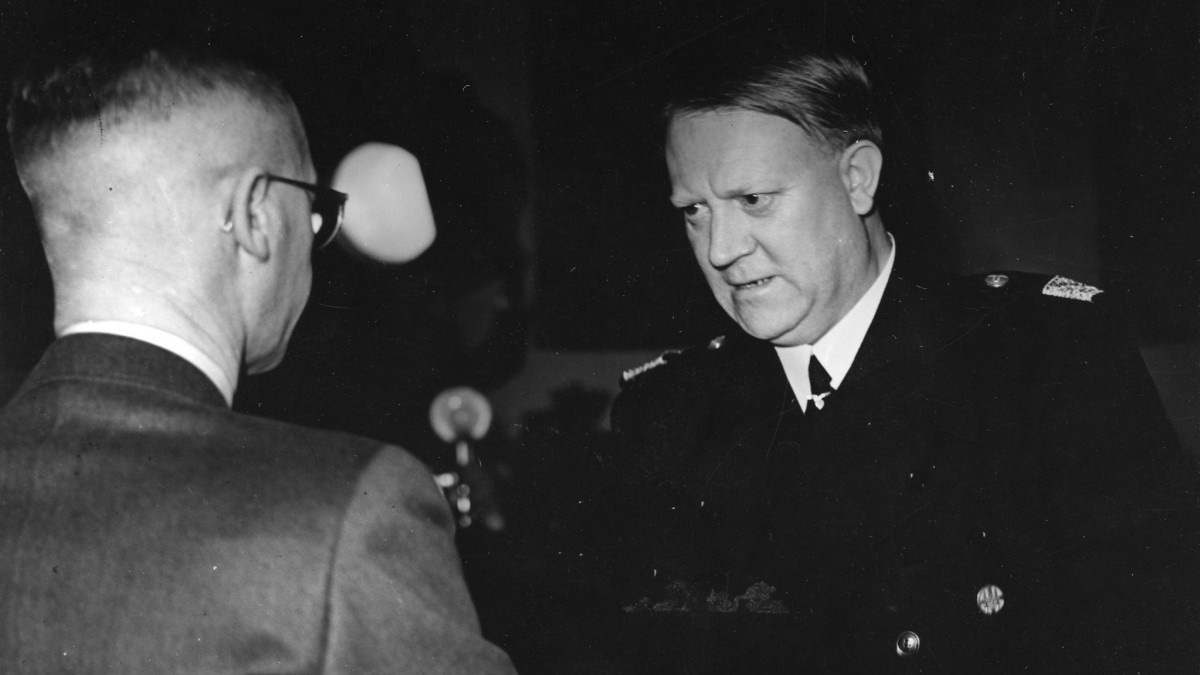
During the German occupation, Quisling headed a puppet Norwegian government subordinate to the Nazis.
By Riksarkivet (National Archives of Norway) from Oslo, Norway (Vidkun Quisling hilser på Josef Terboven) [No restrictions], via Wikimedia Commons
The discovery was reported by the Norwegian newspaper Aftenposten. The find was made during earthworks at a building under renovation. During World War II, this place was a favorite bathing spot of Vidkun Quisling, the leader of the Norwegian collaborationist government cooperating with the Third Reich.
Silverware under Quisling's former bathing spot
Workers found a bag underground containing numerous silver items, including tableware and vessels. The items are dated to the early 20th century. Some of the items showed removed owner markings.
The building was constructed in 1943 and served as Vidkun Quisling's private bathing facility. His name is still synonymous with 'traitor' and 'collaborator' in many languages. After the war, Quisling was convicted of treason and executed in 1945.
The building was constructed in 1943 and served as Vidkun Quisling's private bathing facility. His name is still synonymous with 'traitor' and 'collaborator' in many languages. After the war, Quisling was convicted of treason and executed in 1945.
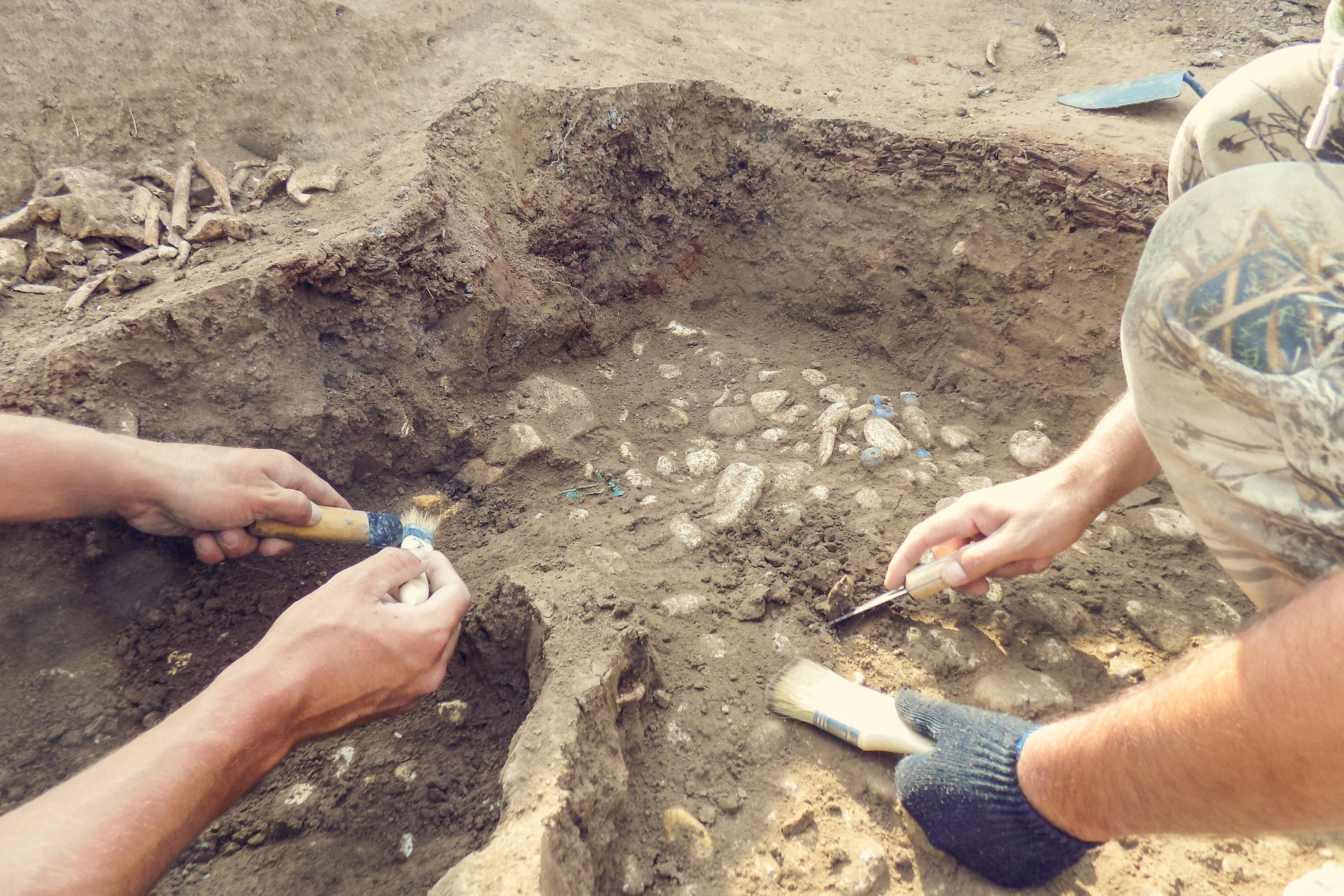
The valuable find was made during work unrelated to searching for silver.Photo: stock.adobe.com/standard/Irina (illustrative photo)
Clues lead back to the occupation era
The Norwegian Center for Holocaust and Minority Studies assessed that the silverware may be wartime loot, possibly stolen from Jews murdered during the occupation. The deliberately removed monograms are seen as evidence. Experts recall that Quisling was known for seizing the property of Norwegian Jews.
The Norwegian royal court has also taken an interest in the find. Its representatives want to check whether some of the silverware belonged to King Haakon VII. The items may come from Kongsgaarden, the monarchs' summer residence, which is located near the discovery site and also reportedly lost valuables during the war.
The Norwegian royal court has also taken an interest in the find. Its representatives want to check whether some of the silverware belonged to King Haakon VII. The items may come from Kongsgaarden, the monarchs' summer residence, which is located near the discovery site and also reportedly lost valuables during the war.
Before the war, about 2,000 Jews lived in Norway. In November 1942, Norwegian police and administration began mass deportations to German death camps. 773 Norwegian Jews were sent to Auschwitz. Of these, 38 survived. Of those deported from the Berg concentration camp in southern Norway, seven survived the war.
How do you rate this article?