End of the Dispute Over Alcohol in Unmanned Stores. Parliament Changes the Rules
The Storting has decided to make it easier to sell alcohol and tobacco in remotely operated stores. Municipalities will receive a clear basis for issuing permits.
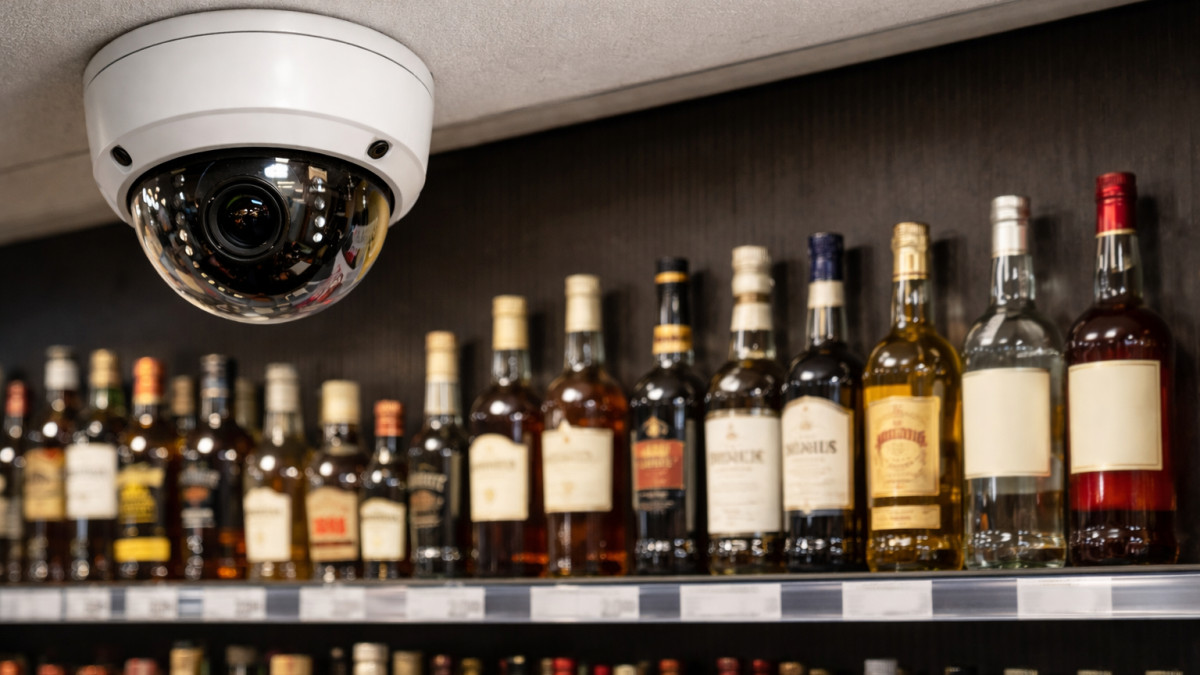
Municipalities will allow the sale of alcohol and tobacco if technical requirements are met.
Fot. Wygenerowano przy pomocy AI
On the afternoon of February 24, a parliamentary majority adopted a motion on the matter. The government is to ensure that municipalities can permit the sale of alcohol and tobacco in stores without permanent staff presence. If necessary, it is to present draft legal amendments. The decision affects about 150 outlets operating in Norway, many of which are located in sparsely populated areas.
Dispute Over Interpretation of Regulations
In recent years, many stores based on remote service technology have emerged. Customers can shop without employees present. For some outlets in the regions, this was a response to declining sales. Municipalities issued permits for alcohol sales, believing the law allowed it. However, the state held a different position.
In 2021, the Health Authority ruled that alcohol sales require the physical presence of staff. This position was later upheld. In November 2025, the Agder office reminded municipalities of this requirement. The new parliamentary decision changes this interpretation. Municipalities can approve sales if technical solutions meet the control requirements set out in the law.
In 2021, the Health Authority ruled that alcohol sales require the physical presence of staff. This position was later upheld. In November 2025, the Agder office reminded municipalities of this requirement. The new parliamentary decision changes this interpretation. Municipalities can approve sales if technical solutions meet the control requirements set out in the law.
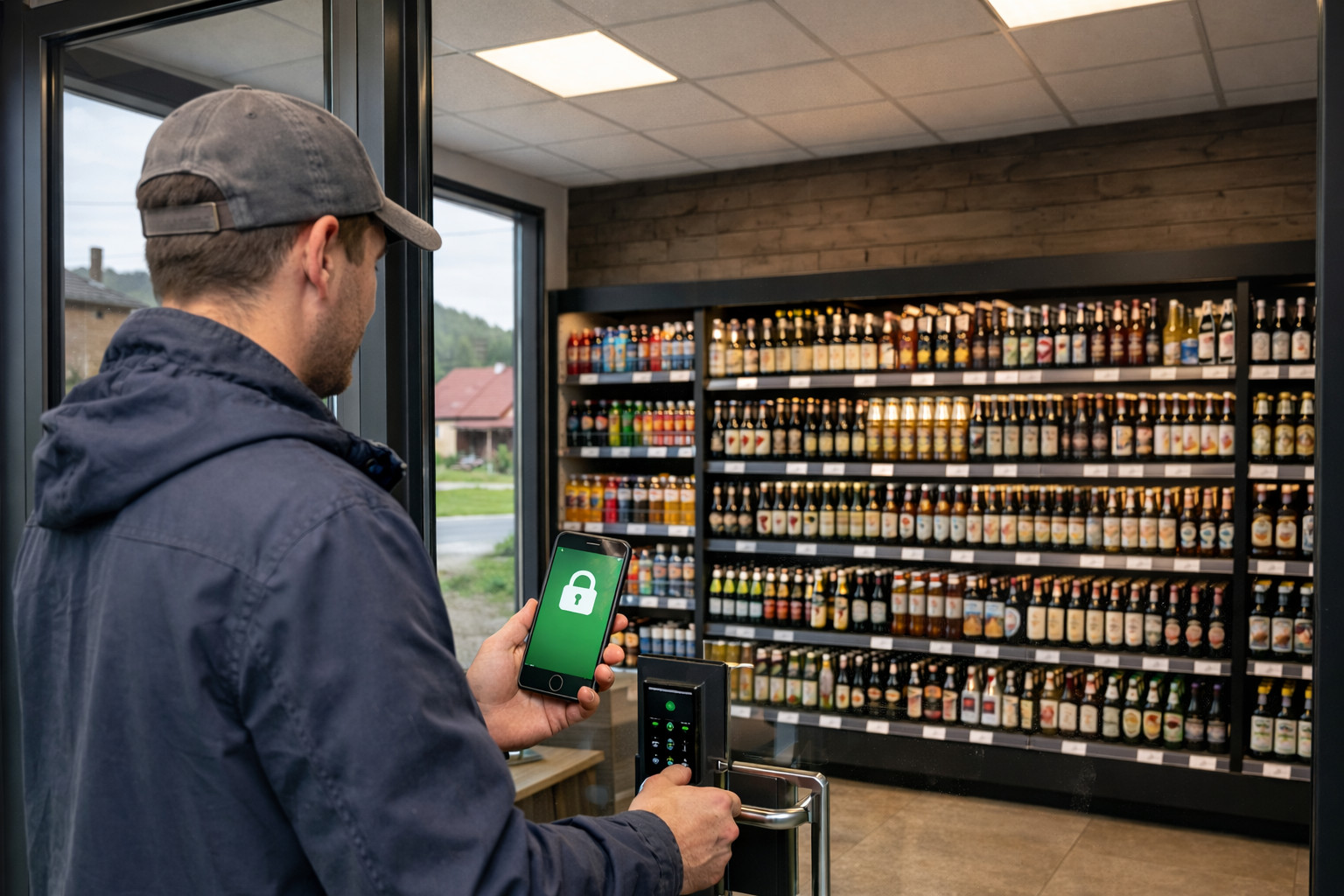
For some small stores, alcohol sales are of significant business importance.Photo generated with AI assistance
Technology Instead of a Salesperson
The main opposition to the changes came from the Christian Democratic Party (KrF). Politicians pointed to the risk of sales to minors and intoxicated individuals. Representatives of the technology industry reject these concerns. Knut Lilloe Salvesen from Strongpoint emphasizes that age verification is possible. He points to barcode scanners and cameras that read digital identification on a phone.
The company is working on a system that estimates age based on facial features. The customer will be asked to show ID if the system estimates their age below a set threshold, for example, 25 years. The solution has been approved in the UK and Denmark. The company is in dialogue with Norwegian authorities. Work is also underway on technology to assess customers' sobriety.
Currently, in doubtful situations, employees travel to the store to make a decision. In the future, image analysis from surveillance cameras is expected to play a greater role. The system's creators note that diseases with symptoms similar to intoxication may pose a challenge. The product is in the final testing phase. No launch date has been announced yet.
The parliamentary decision means that municipalities can continue issuing permits as long as control systems meet legal requirements. For some small stores in the regions, alcohol sales remain a key part of their business. The new regulations are intended to clarify the rules for using technology in retail.
The company is working on a system that estimates age based on facial features. The customer will be asked to show ID if the system estimates their age below a set threshold, for example, 25 years. The solution has been approved in the UK and Denmark. The company is in dialogue with Norwegian authorities. Work is also underway on technology to assess customers' sobriety.
Currently, in doubtful situations, employees travel to the store to make a decision. In the future, image analysis from surveillance cameras is expected to play a greater role. The system's creators note that diseases with symptoms similar to intoxication may pose a challenge. The product is in the final testing phase. No launch date has been announced yet.
The parliamentary decision means that municipalities can continue issuing permits as long as control systems meet legal requirements. For some small stores in the regions, alcohol sales remain a key part of their business. The new regulations are intended to clarify the rules for using technology in retail.
How do you rate this article?