Electricity in Norway Reimagined? Plans to Create a New Energy Zone
Statnett has submitted a request to analyze the creation of a new, sixth electricity price zone. According to initial analyses, energy prices would initially be similar to those in neighboring regions. However, the risk of significant price differences arises in certain situations.
The largest price differences are visible between the north, south, and west.
Fot. Adobe Stock, licencja standardowa
Initial analyses indicate that the new price zone, referred to as NO6, would have a similar price level to the current NO4 zone in Nordland. This conclusion is presented by both Statnett and the company Volt Power Analytics.
Network connections with Nordland and Sweden are crucial. With a well-functioning infrastructure, prices remain similar. Problems may occur in the event of transmission line failures.
Network connections with Nordland and Sweden are crucial. With a well-functioning infrastructure, prices remain similar. Problems may occur in the event of transmission line failures.
Risk with Network Constraints
Volt Power Analytics analyzed several scenarios regarding the network capacity between NO4 and the potential NO6. Assuming a transmission capacity of about 700 megawatts, price differences are minor.
Significant deviations only appear when capacity drops to 200 megawatts. In such a scenario, during the winter of 2027, differences may range from 3 to 7 øre per kilowatt-hour. After 2030, the increase could be much greater.
Significant deviations only appear when capacity drops to 200 megawatts. In such a scenario, during the winter of 2027, differences may range from 3 to 7 øre per kilowatt-hour. After 2030, the increase could be much greater.
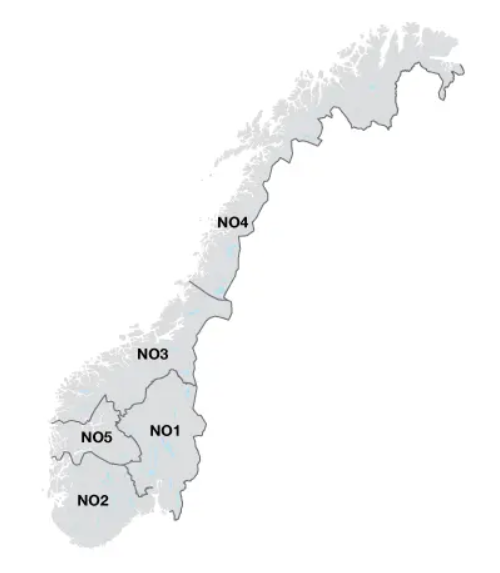
Energy zones in Norway.Photo: Statnett press materials
The Importance of Melkøya and Large Consumers
The situation becomes more complex in the context of Equinor's plans for the Melkøya plant. Starting in 2030, the facility is expected to draw about 270 megawatts of power from the grid, abandoning the gas power plant. If transmission problems occur simultaneously, price differences could reach up to 30 øre per kilowatt-hour in the most expensive month.
In an extreme scenario, prices in NO6 could be about 60 øre higher than in NO4. International connections, including lines to Sweden, also play a significant role in the balance.
In an extreme scenario, prices in NO6 could be about 60 øre higher than in NO4. International connections, including lines to Sweden, also play a significant role in the balance.
Is It All Due to Network Constraints?
Concerns about a possible increase in energy prices have also been raised by political representatives. The Rødt party criticizes the idea of dividing the northern price zone, pointing to the risk of higher bills for residents of Finnmark and Troms.
Energy Minister Terje Aasland emphasizes that decisions regarding price zones are up to Statnett and result from technical network limitations. At the same time, forecasts indicate that energy prices in northern Norway may rise in the coming years as consumption and industrial development in the region increase.
Energy Minister Terje Aasland emphasizes that decisions regarding price zones are up to Statnett and result from technical network limitations. At the same time, forecasts indicate that energy prices in northern Norway may rise in the coming years as consumption and industrial development in the region increase.
How do you rate this article?