Does Norway have too little fuel? It won't last long during a crisis
Norway may significantly increase its strategic fuel reserves. The consulting firm Oslo Economics recommends raising them from the current 20 to 61 days of national consumption. The changes would be introduced in stages.
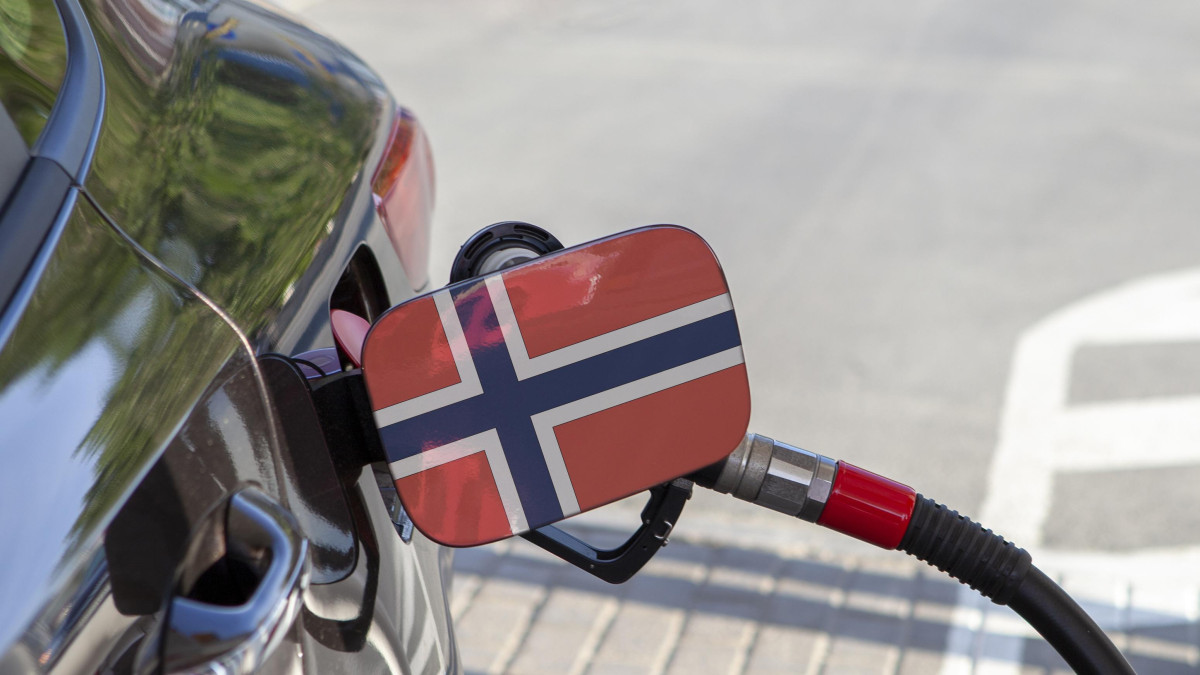
Norwegian fuel reserves are not sufficient for a prolonged crisis.
Fot. stock.adobe.com/standardowa/AKlion
The current level of reserves is lower than in other countries belonging to the International Energy Agency (IEA). This is partly because Norway is a net exporter of crude oil. The government has therefore commissioned an analysis of possible ways to strengthen the country's fuel preparedness. The report indicates that current reserves may be insufficient in the event of prolonged supply disruptions.
First 45 days. Then bigger reserves
Oslo Economics proposes a step-by-step approach. Initially, the required level of reserves would increase from 20 to about 45 days of national consumption, and the fuel at this stage would be stored in Norway. This is the first step. According to the report, such a solution would increase the system's resilience to supply problems.
The next stage involves a further increase in reserves. The target level would correspond to 61 days of national consumption, but achieving this would require combining reserves stored in Norway with storage abroad. Appropriate agreements would be needed. The authors of the analysis concluded that, among the evaluated options, the 61-day level would bring the greatest socio-economic benefits.
The next stage involves a further increase in reserves. The target level would correspond to 61 days of national consumption, but achieving this would require combining reserves stored in Norway with storage abroad. Appropriate agreements would be needed. The authors of the analysis concluded that, among the evaluated options, the 61-day level would bring the greatest socio-economic benefits.
Fuel has recently become one of the most discussed topics in Norway.Photo: Fotolia
Crisis risk has increased. The government is analyzing the report
The report draws attention to the changing security situation. In recent years, the risk of crises that may affect fuel availability has increased, which is why the current reserve system has been assessed as insufficient for longer disruptions. Fuel remains important for many areas of state functioning. This includes economic activity and access to important public services.
Industry Minister Cecilie Myrseth announced further government action. She indicated that fuel availability is currently good, but a higher level of reserves is intended to increase the ability to respond during major crises. The Ministry of Industry and Fisheries will now analyze the report together with other relevant ministries. The document is to serve as the basis for further work on strengthening Norway's fuel preparedness.
Industry Minister Cecilie Myrseth announced further government action. She indicated that fuel availability is currently good, but a higher level of reserves is intended to increase the ability to respond during major crises. The Ministry of Industry and Fisheries will now analyze the report together with other relevant ministries. The document is to serve as the basis for further work on strengthening Norway's fuel preparedness.
The next stage will have a political and budgetary dimension. The government has announced that it will return to parliament with proposals for implementing the recommendations in connection with the 2027 state budget. At that time, a plan for further increasing fuel reserves is to be presented.
How do you rate this article?