Cheaper electricity for people, more expensive for the budget. Norway counts the cost of the Norgespris program
Electricity consumption in Norwegian holiday cabins increased by 25 percent in the first four months of 2026. In households, the increase was 13 percent. Higher consumption raises the state's bill for the Norgespris program.
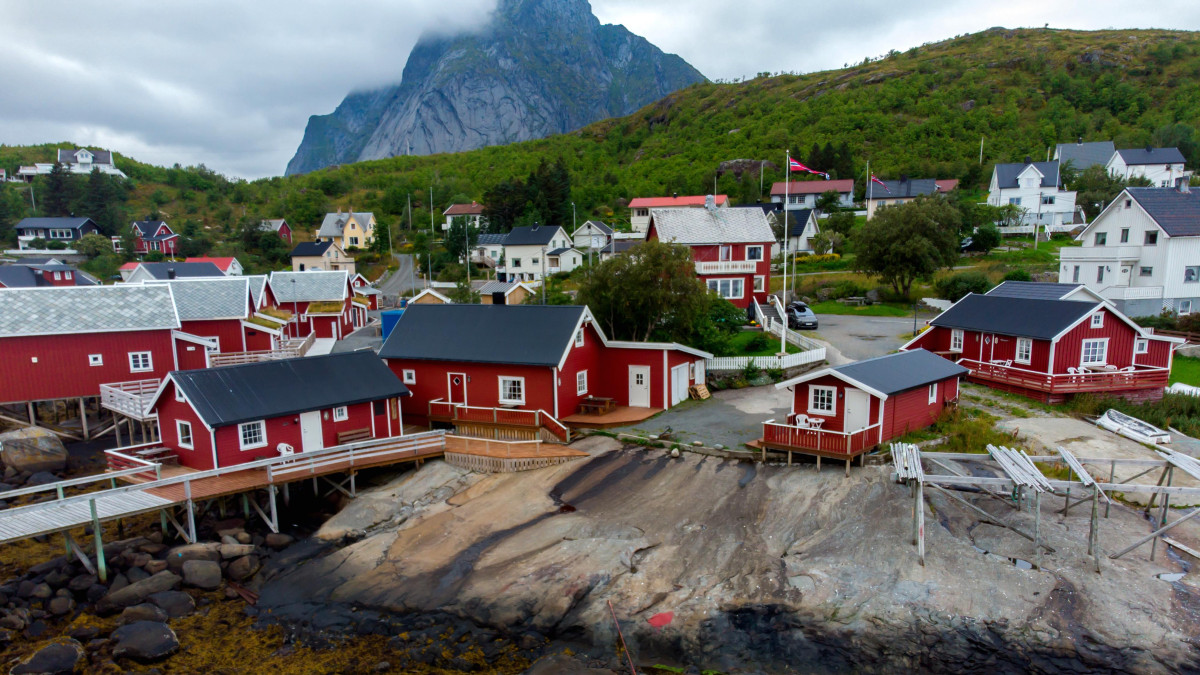
The government had previously assumed a much lower cost for the program when it introduced it in 2025.
Fot. Adobe Stock, licencja standardowa (zdjęcie poglądowe)
The Norwegian government introduced Norgespris in October 2025. The program was intended to provide private consumers with a predictable electricity price. The rate is 0.40 NOK per kWh excluding VAT. With VAT, it is 0.50 NOK per kWh. The program covers apartments and holiday cabins.
Holiday cabins consume more electricity
The new data comes from Elhub. It concerns southern Norway and covers the period from January to April 2026. During this time, electricity consumption in holiday cabins increased by 25 percent compared to the same period in 2025.
In households, the increase was 13 percent. This means higher expenses for the state. Norgespris subsidizes consumption when the energy price exceeds 0.40 NOK per kWh. Part of the support therefore also goes to holiday cabin owners. The increase in consumption is contrary to the government's goal of reducing energy use.
In households, the increase was 13 percent. This means higher expenses for the state. Norgespris subsidizes consumption when the energy price exceeds 0.40 NOK per kWh. Part of the support therefore also goes to holiday cabin owners. The increase in consumption is contrary to the government's goal of reducing energy use.
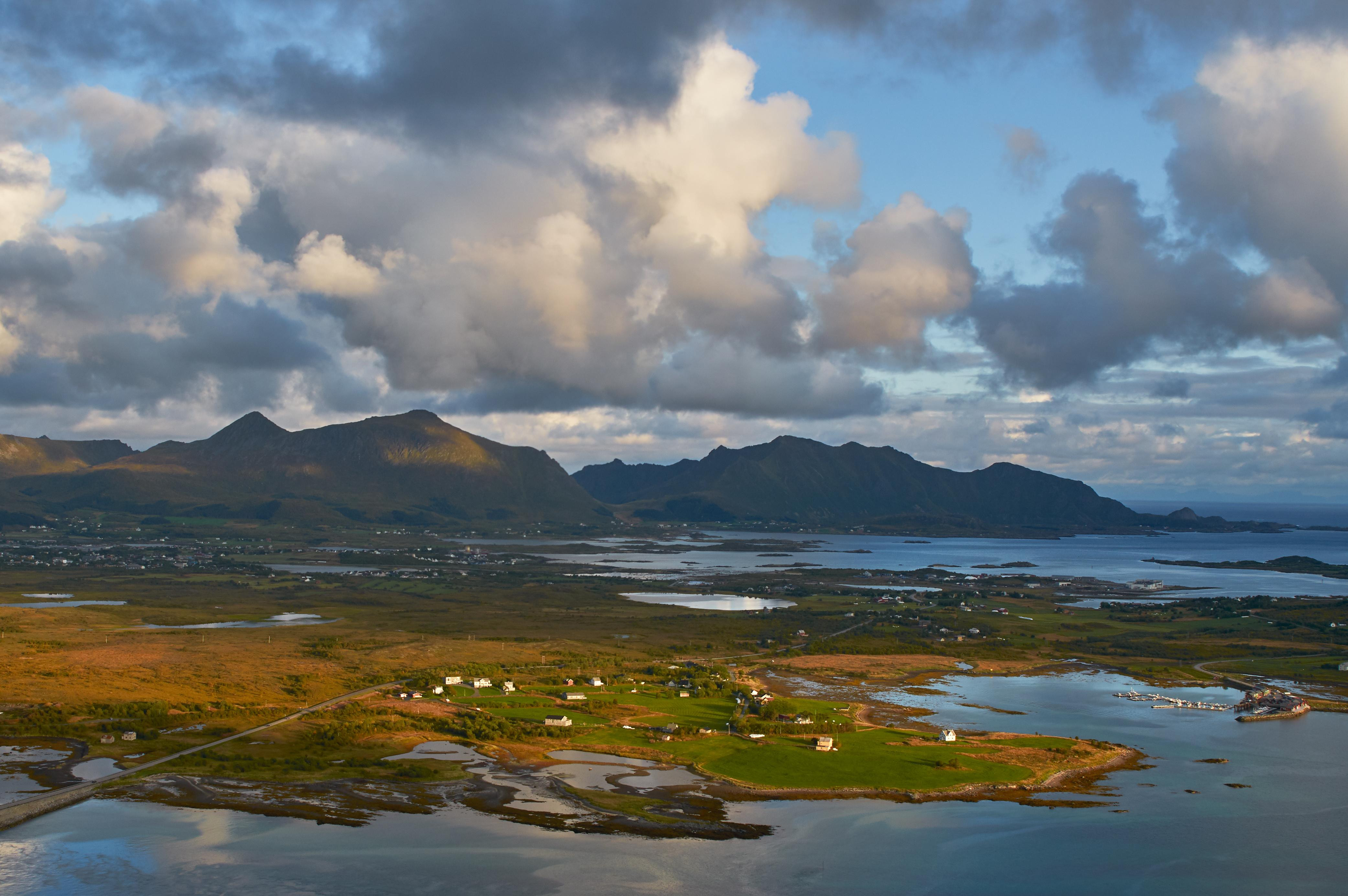
All months in 2025 were warmer than normal.Photo: Adobe Stock, standard license (illustrative photo)
The budget will cover another NOK 10 billion
In the revised budget, the government proposed an additional NOK 10 billion to finance Norgespris. Previously, it planned to allocate NOK 10 billion for this purpose. The total cost of the program is therefore expected to exceed NOK 20 billion this year. That is twice as much as was assumed at its launch.
Finance Minister Jens Stoltenberg defends the program. According to him, this solution significantly lowers bills for many consumers. The Green Party and the Liberal Party criticize the lack of measures to reduce energy consumption. The parties are calling for support for heat pumps and solar panels. They also want a plan to help households permanently lower their bills.
Finance Minister Jens Stoltenberg defends the program. According to him, this solution significantly lowers bills for many consumers. The Green Party and the Liberal Party criticize the lack of measures to reduce energy consumption. The parties are calling for support for heat pumps and solar panels. They also want a plan to help households permanently lower their bills.
Analyst Tor Reier Lilleholt from Volue points out that data from 2025 and 2026 cannot be compared without additional context. The year 2025 was exceptionally mild. In 2026, it was much colder. January was the coldest January in 16 years. The war with Iran, which raised gas prices and affected electricity prices in southern Norway, also contributed to the increase in energy prices. Lilleholt also points to low water levels in reservoirs and tensions in the Middle East. In his opinion, people using Norgespris consume 5-6 percent more electricity than consumers without this option. The program is set to remain in its current form until the end of 2026, and the price is to be changed on January 1, 2027.
How do you rate this article?