Billions of NOK flowed to Russia despite the war. Now companies want to withdraw
Norwegian companies have purchased Russian raw materials for salmon feed worth NOK 6.8 billion since the start of the war in February 2022. The Ukrainian ambassador warns of the potential impact on financing the conflict.
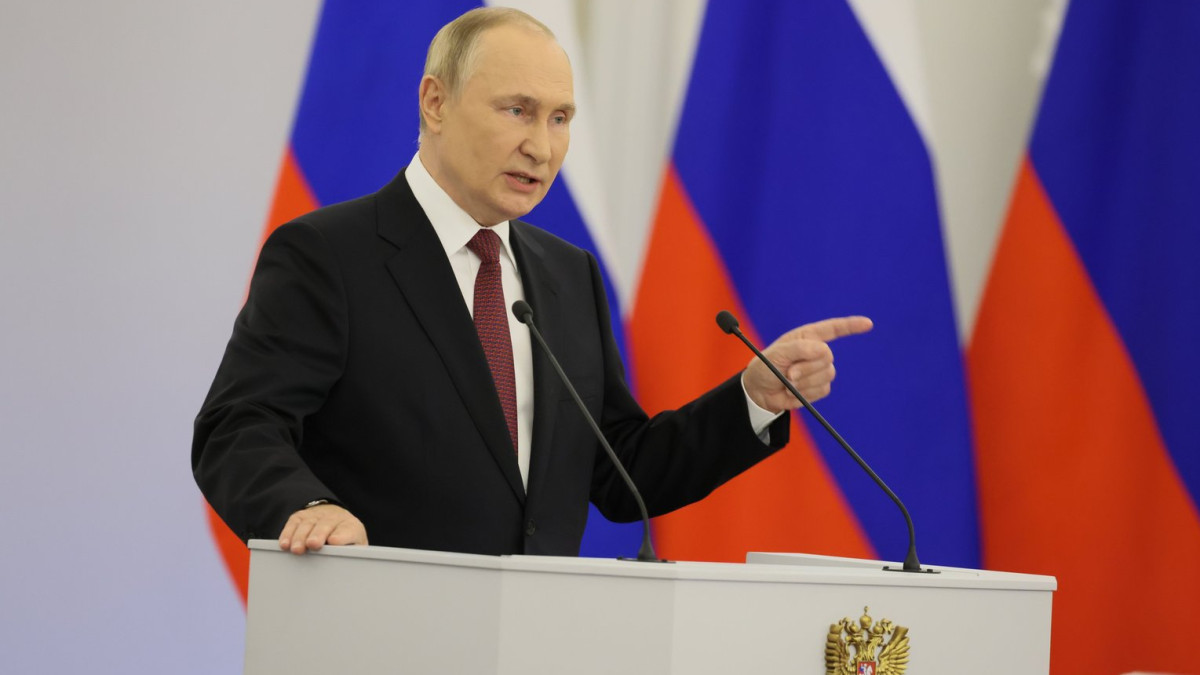
The Ukrainian ambassador claims that every krone may help Putin continue the war.
Fot. Council.gov.ru, CC BY 4.0, via Wikimedia Commons
The import of feed and feed components from Russia is not subject to sanctions, but some companies limited cooperation after February 2022. Others continued purchases within the existing regulations. Only the announcement of additional tariffs changed the approach of more companies. Statistical data show a clear increase in this category.
Trade continues despite overall declines
Between 2022 and 2025, Norwegian companies imported feed and raw materials worth NOK 6.8 billion. At the same time, total imports from Russia fell from NOK 21.9 billion in 2021 to NOK 2.8 billion in 2025. Nevertheless, last year saw a 16 percent increase in total imports. The largest increase was in feed and raw materials, which rose by over 70 percent. This distinguishes the category from other goods.
The largest salmon producers, including Mowi and Salmar, used Russian components. The trade was in accordance with existing regulations. Food and feed were not subject to sanctions, nor was the import of wild fish. Norway largely aligns itself with EU sanctions. However, the government has announced higher tariffs in 2026.
The largest salmon producers, including Mowi and Salmar, used Russian components. The trade was in accordance with existing regulations. Food and feed were not subject to sanctions, nor was the import of wild fish. Norway largely aligns itself with EU sanctions. However, the government has announced higher tariffs in 2026.
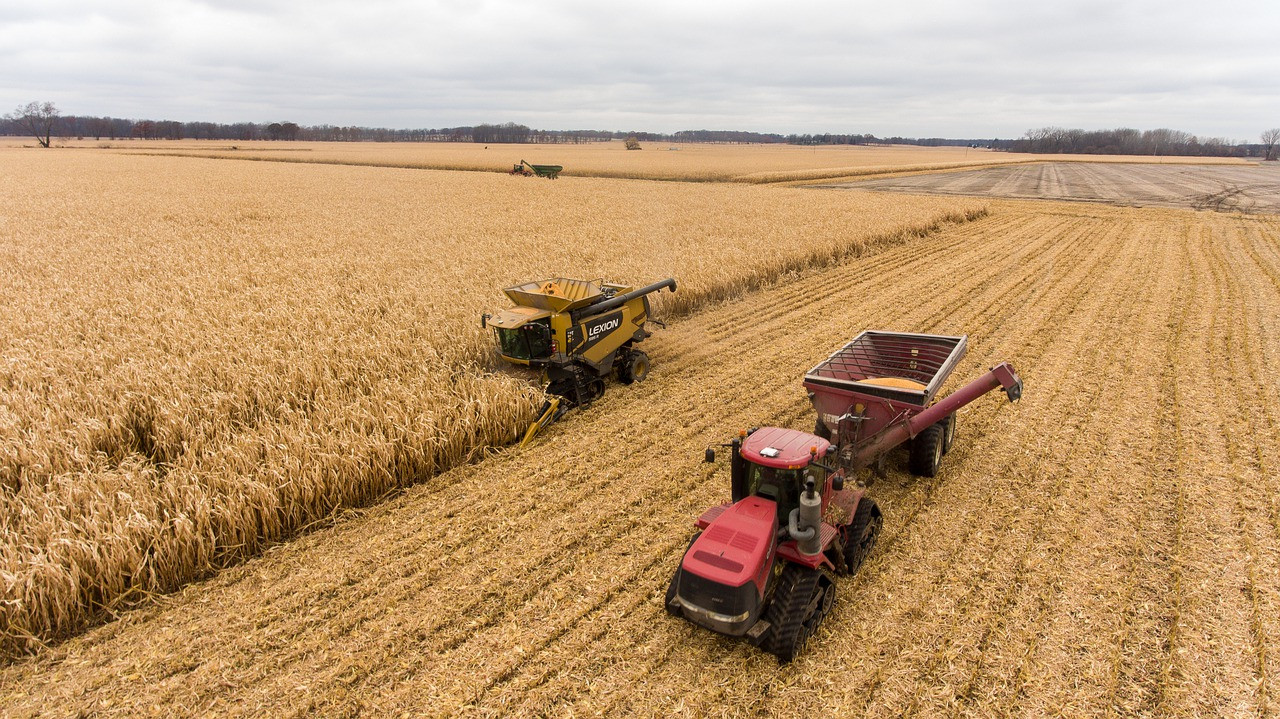
The EU had already raised tariffs on Russian agricultural products and fertilizers.Photo: Pixabay
Pressure and industry reactions
The Ukrainian ambassador to Norway points out the financial consequences of such purchases in E24. He emphasizes that every NOK spent may support the conduct of war. He highlights the risks for civilians and criticizes companies that do not analyze their supply chains or recognize the effects of their decisions. He calls for an end to trade cooperation.
Some companies have already taken action. Biomar and Lerøy have ended trade with Russia. Other companies are announcing a gradual withdrawal from Russian raw materials. Salmar points to the second quarter of 2026 as the end of deliveries. Mowi declares no new deliveries after June 2026. Retail chains, including Coop, stated they were unaware of the origin of the raw materials and pointed to supplier errors.
Some companies have already taken action. Biomar and Lerøy have ended trade with Russia. Other companies are announcing a gradual withdrawal from Russian raw materials. Salmar points to the second quarter of 2026 as the end of deliveries. Mowi declares no new deliveries after June 2026. Retail chains, including Coop, stated they were unaware of the origin of the raw materials and pointed to supplier errors.
Work on new trade regulations is ongoing. Norway plans to introduce tariffs on selected agricultural products and fertilizers from Russia and Belarus, following the example of the European Union. The aim is to limit revenues that support war activities. For now, it is unclear when the regulations will come into force.
How do you rate this article?