Ambitious goals clash with reality. Norway is struggling with plastic
Norway is not meeting its plastic packaging recycling targets. In 2025, the material recycling rate reached 35 percent. The target was set at 47 percent.
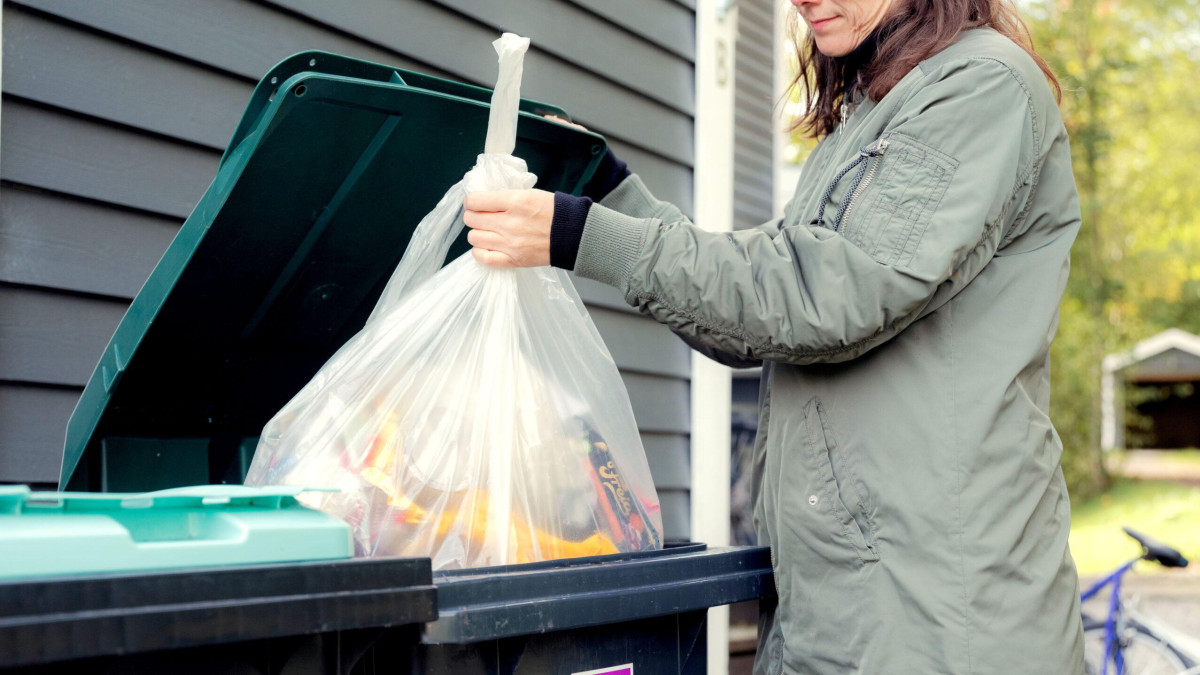
A greater scale of source separation is necessary for Norway to achieve its plastic packaging recycling targets.
Fot. Herman Ekendahl Dreyer/Loop
Plastretur data shows the scale of the problem. 126,856 tons of plastic entered the market. Only a portion was recycled as material. The main barrier remains waste management practices. A significant amount ends up in mixed waste.
Too much plastic in mixed waste
In 2025, at least 62,000 tons of packaging ended up in mixed waste. This means incineration instead of material recycling. The material drops out of circulation. It does not return to production, and the system loses raw material.
A total of 78,541 tons of plastic were collected from households and businesses. This is about 90 percent of all collection in the country. However, not all material is suitable for recycling. The problem is contamination and sorting errors. Ultimately, 43,842 tons, or 35 percent, were recycled as material.
A total of 78,541 tons of plastic were collected from households and businesses. This is about 90 percent of all collection in the country. However, not all material is suitable for recycling. The problem is contamination and sorting errors. Ultimately, 43,842 tons, or 35 percent, were recycled as material.
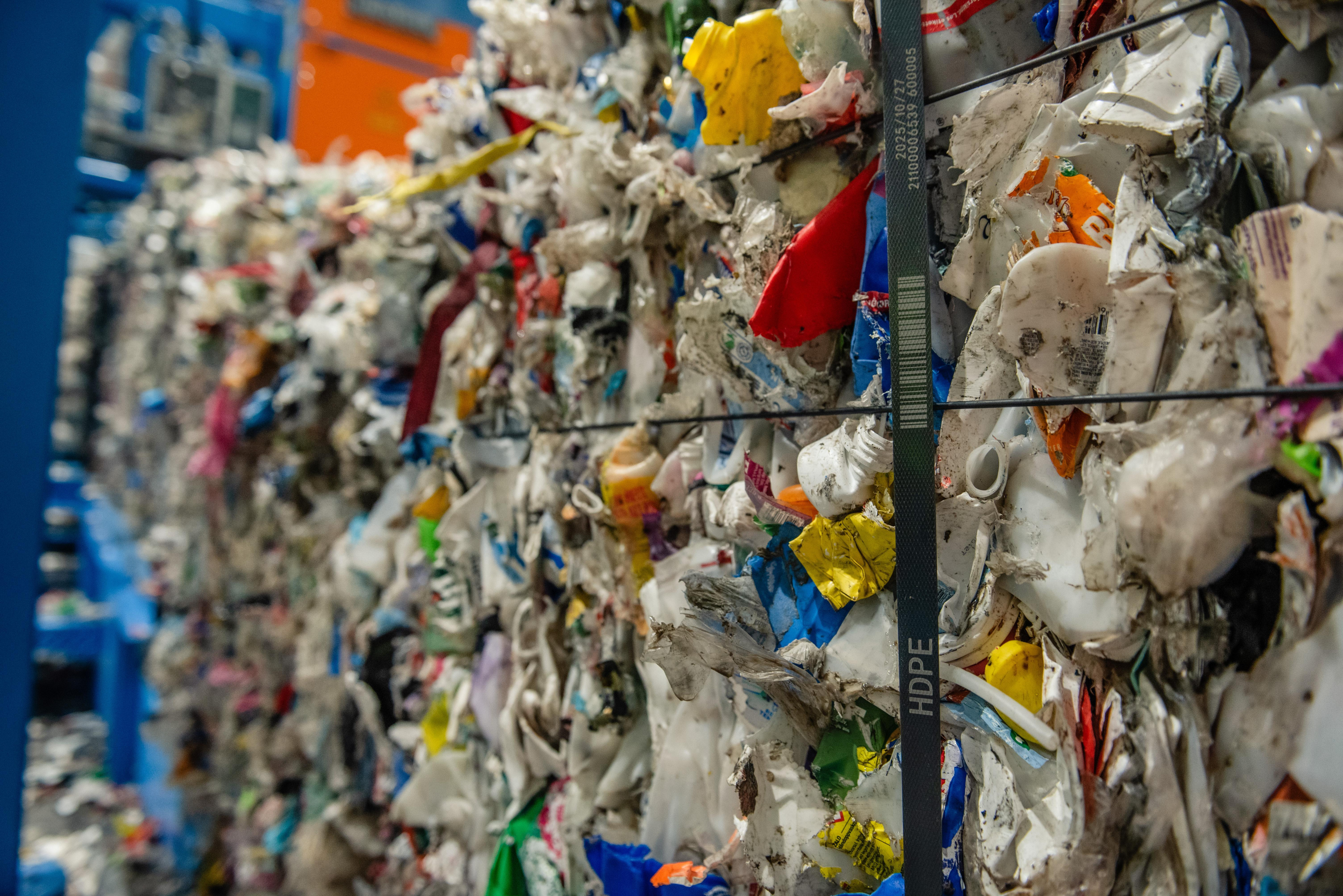
Packaging is sent to the Områ plant in Indre Østfold, where it is thoroughly sorted. Sorting errors and non-recyclable waste are removed, and then the plastic is divided by quality and sent for recycling.Photo: Grønt Punkt Norge
Market and packaging design as barriers
The system assumes high-quality material recycling. At the Områ plant, plastic is divided into nine fractions. The best ones are returned to circulation. The rest are difficult to manage. The market for such raw materials remains limited.
Some packaging is still not suitable for material recycling. This is due to product safety and durability requirements. Manufacturers are making changes. However, there is still further potential. New EU regulations are expected to increase the share of recycled materials.
Some packaging is still not suitable for material recycling. This is due to product safety and durability requirements. Manufacturers are making changes. However, there is still further potential. New EU regulations are expected to increase the share of recycled materials.
The Områ plant has greater capacity than the current level of waste collection. The facility can accept larger amounts of plastic from selective collection and sorting plants. This means that the infrastructure is ahead of the current waste stream entering the system.
How do you rate this article?