A unique region is changing beyond recognition. Even reindeer herding is at risk
Climate change is having an increasing impact on Sápmi, the historical region of Lapland. A new report shows the consequences for Sámi culture, traditional livelihoods, and local communities.
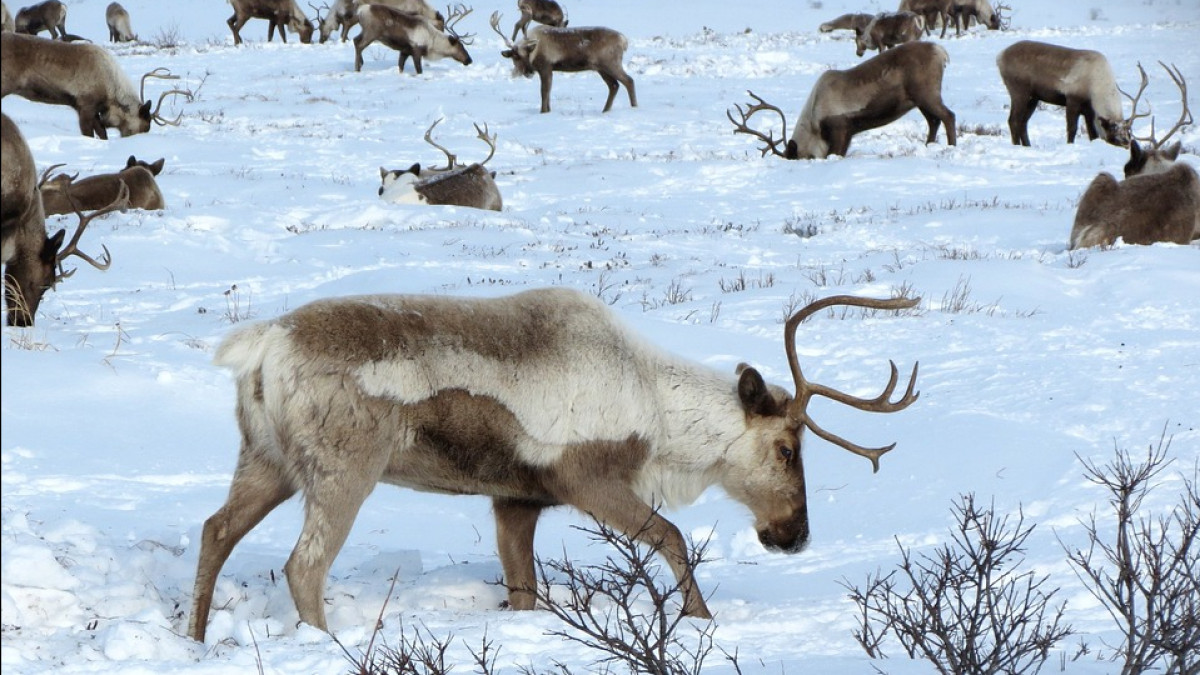
Climate change is impacting Sámi culture.
Fot. Pixabay (zdjęcie poglądowe)
The Norwegian Environment Agency (Miljødirektoratet) has published a report on the effects of climate change in Sápmi. The document was prepared by NIVA and the International Centre for Reindeer Husbandry, in cooperation with a team of climate adaptation experts. The report combines scientific knowledge with the traditional wisdom of the Sámi.
Reindeer herding under pressure. All because of the climate
Reindeer herding has been identified as particularly vulnerable. The reasons are changing snow and ice conditions, and increasing weather unpredictability. The range of possible activities is shrinking. This mainly affects those engaged in traditional livelihoods.
The report also points to Sámi fishing, which is also feeling the effects of climate change. Traditional Sámi livelihoods have always required great flexibility, involving movement between different areas and combining several types of work throughout the year.
The report also points to Sámi fishing, which is also feeling the effects of climate change. Traditional Sámi livelihoods have always required great flexibility, involving movement between different areas and combining several types of work throughout the year.
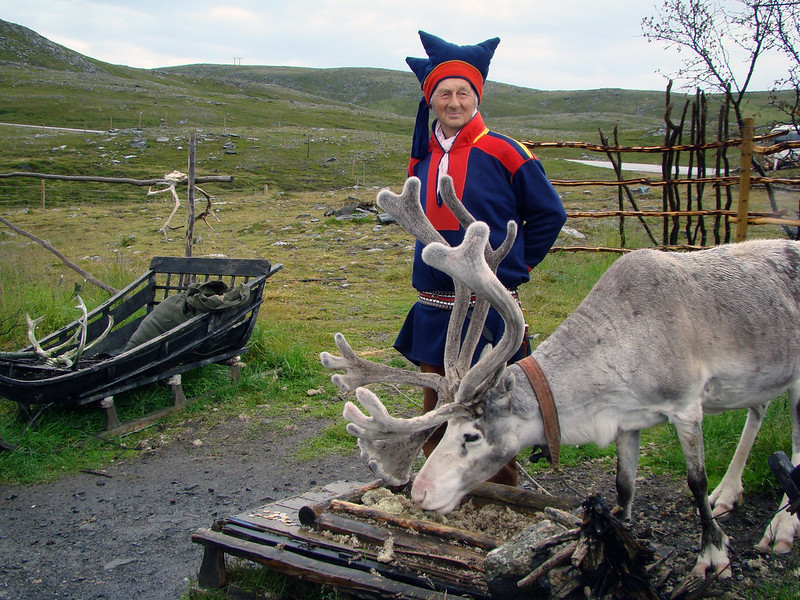
/illustrative photo, Sámi Easter Culture Festival 2021Source: photo by dutchbaby, flickr.com (CC BY-NC-ND 2.0)
Sámi at a crossroads. What is the future of their culture?
Climate change increases the need for adaptation. At the same time, pressure is mounting on traditionally used lands. New interventions in these areas are limiting the ability to respond. According to the report, flexibility is becoming increasingly difficult.
The document also describes social and economic impacts. The inability to cooperate with nature carries the risk of losing local customs. It may also weaken the language and the transmission of knowledge between generations. Climate change particularly affects young people. It can be associated with stress, losses, adaptation costs, and the loss of animal herds, the report says.
The document also describes social and economic impacts. The inability to cooperate with nature carries the risk of losing local customs. It may also weaken the language and the transmission of knowledge between generations. Climate change particularly affects young people. It can be associated with stress, losses, adaptation costs, and the loss of animal herds, the report says.
Minister of Climate and Environment Andreas Bjelland Eriksen emphasized that the effects of climate change are already visible in Sápmi. He also pointed to the need to include traditional Sámi knowledge in adaptation efforts. Hilde Singsaas, director of the Norwegian Environment Agency, announced that the report will be used in the national climate vulnerability analysis. The document is to be published at the beginning of 2027 and will serve as a basis for work on Norway's climate adaptation policy.
How do you rate this article?