A Turn in Norway's Monetary Policy Is Coming. Borrowers May Pay More as Early as May
Norway may soon return to interest rate hikes. A decision could be made as early as May 7, and the market estimates the probability at over 60 percent. This would mean higher loan costs for households. Norges Bank is increasingly signaling a shift in its monetary policy direction.
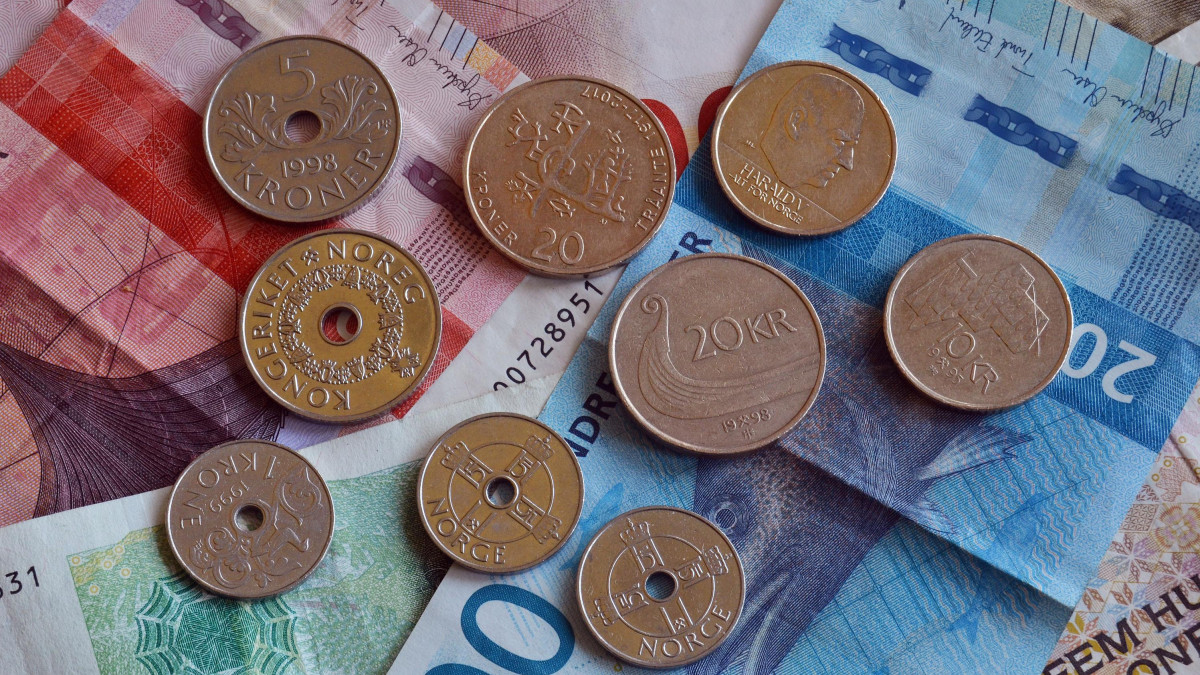
Norges Bank changes its tone and prepares for tough decisions.
Fot. Adobe Stock, licencja standardowa (zdjęcie poglądowe)
The market estimates that the probability of a rate hike exceeds 60 percent, according to Bloomberg data. This would be the first change in rates since December 2023. Norges Bank recently kept the main rate at 4 percent, while also signaling the possibility of tightening monetary policy in the near future. The new rate path indicates up to two hikes this year.
Signals from the Central Bank
Economists point to a clear change in Norges Bank's communication. The bank not only withdrew previous signals about rate cuts, but also prepared the market for such a move. According to Marius Gonsholt Hov from Handelsbanken, this was a deliberate step. He emphasizes that the decision was already considered at the last meeting. In his view, the most likely timing is May.
A rate hike would mean higher costs for borrowers. For a NOK 4 million loan with an effective interest rate of 5.5 percent, the monthly installment would increase by about NOK 600. Norges Bank usually changes interest rates at main meetings. However, the May meeting is an interim one. Hov points out that in the current situation, this does not matter.
A rate hike would mean higher costs for borrowers. For a NOK 4 million loan with an effective interest rate of 5.5 percent, the monthly installment would increase by about NOK 600. Norges Bank usually changes interest rates at main meetings. However, the May meeting is an interim one. Hov points out that in the current situation, this does not matter.

Norges Bank wants to prevent the persistence of high inflation.Photo: stock.adobe.com/standard license
Inflation and Risks from Commodity Prices
Nordea Markets previously expected a rate hike in June. They still maintain this scenario but allow for a hike as early as May. According to Sara Midtgaard, Norges Bank is concerned about inflation. Price pressure was already a problem before the conflict in the Middle East. Additional tensions may intensify price increases.
The risk concerns not only oil and gas. Many commodities transported through the Strait of Hormuz may become more expensive. An example is naphtha, used in plastic production. Over 35 percent of transport goes through this route. Higher commodity prices may translate into higher goods prices. So far, however, the main source of inflation has been services and rising wages.
The risk concerns not only oil and gas. Many commodities transported through the Strait of Hormuz may become more expensive. An example is naphtha, used in plastic production. Over 35 percent of transport goes through this route. Higher commodity prices may translate into higher goods prices. So far, however, the main source of inflation has been services and rising wages.
Norges Bank's decisions are also influenced by the international situation. The expected rise in energy prices among trading partners may increase inflation in the short term. Forecasts cover a horizon of one to two years. The key factor remains the duration of geopolitical conflicts. Their development may affect the pace of inflation and further interest rate decisions.
How do you rate this article?