7 out of 10 fires break out despite the ban. Norway tightens fire regulations
On April 15, a nationwide ban on lighting fires in the open comes into force in Norway. Data shows that most fires break out during this period.
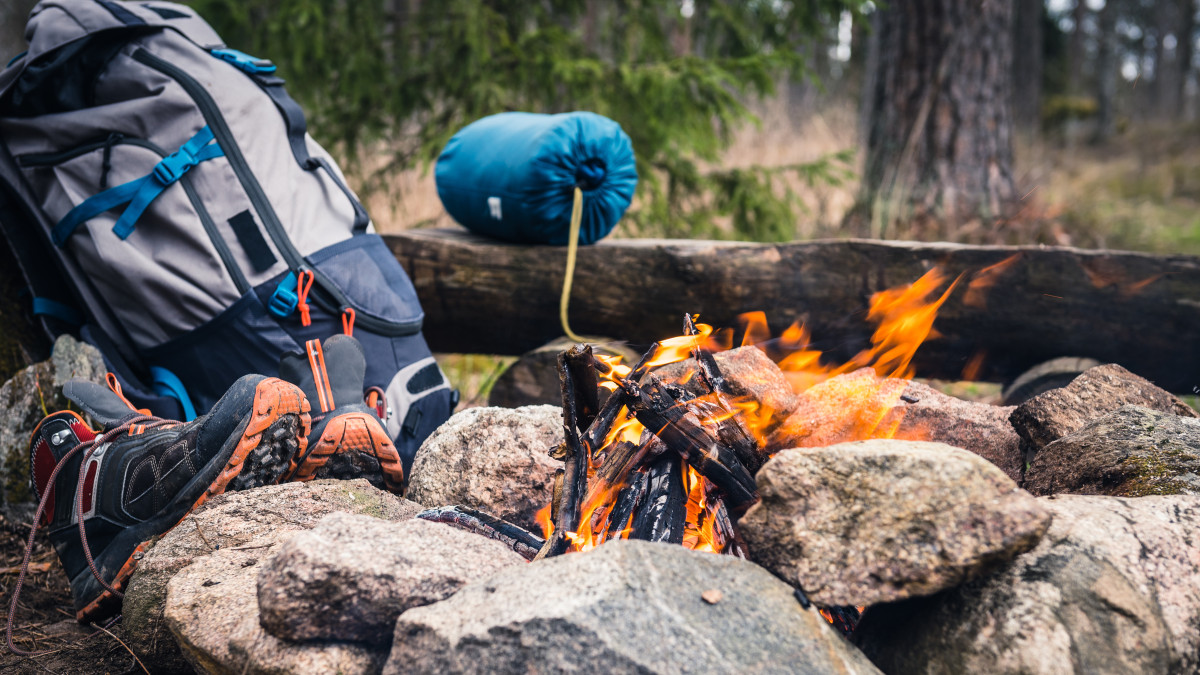
Each person making the decision is responsible for assessing whether lighting a fire is safe and whether water or other extinguishing means are available.
Fot. Adobe Stock, licencja standardowa (zdjęcie poglądowe)
The ban is in effect until September 15. It covers forests, mountains, coastal areas, and other undeveloped land. Norsk Friluftsliv (the Norwegian Outdoor Recreation Organization) urges caution when enjoying the outdoors. They remind everyone of each tourist’s responsibility.
Most fires occur during the ban
In 2025, there were 1,115 forest and grass fires recorded. The data comes from the Norwegian Directorate for Civil Protection and Emergency Planning. As many as 756 incidents occurred during the ban. That’s about 7 out of 10 fires.
The organization emphasizes that even a small spark can lead to a spreading fire. The consequences can be serious and long-lasting. Fire can easily get out of control under favorable conditions. Following the rules and being cautious is crucial. “A small spark may be enough for the fire to spread quickly, and even a minor fire can have serious consequences. That’s why it’s important for everyone to follow the rules and exercise caution in nature,” says Bente Lier, Secretary General for Outdoor Activities in Norway.
The organization emphasizes that even a small spark can lead to a spreading fire. The consequences can be serious and long-lasting. Fire can easily get out of control under favorable conditions. Following the rules and being cautious is crucial. “A small spark may be enough for the fire to spread quickly, and even a minor fire can have serious consequences. That’s why it’s important for everyone to follow the rules and exercise caution in nature,” says Bente Lier, Secretary General for Outdoor Activities in Norway.
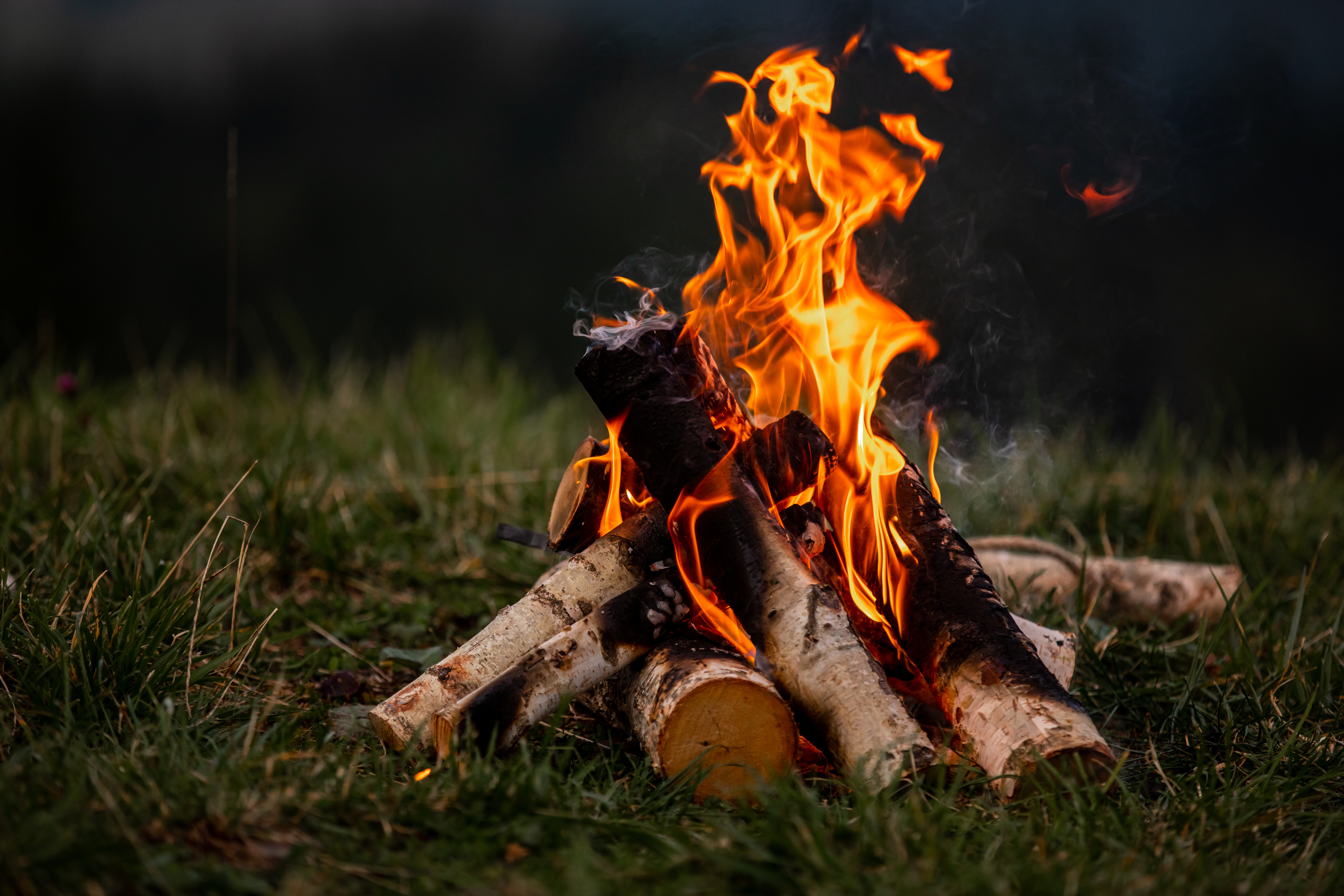
You should always check local regulations on the municipality’s website and carefully assess weather conditions before lighting a fire.Photo: stock.adobe.com/standard/Andriy Medvediuk
Rules for using fire outdoors
During the ban, it is forbidden to light campfires or use disposable grills in the open. Only places where there is no risk of fire are allowed. Examples include areas covered with snow or after heavy rainfall. There are also specially designated fire sites.
You must always assess the weather conditions. You need to have access to water or other extinguishing means. The fire must be completely extinguished before leaving the site. During droughts, additional local bans may apply. “Before lighting a fire, always assess whether the conditions are safe. Have water or other extinguishing means at hand, make sure the fire is completely out before leaving, and use municipal fire pits that are permitted year-round,” advises Lier.
You must always assess the weather conditions. You need to have access to water or other extinguishing means. The fire must be completely extinguished before leaving the site. During droughts, additional local bans may apply. “Before lighting a fire, always assess whether the conditions are safe. Have water or other extinguishing means at hand, make sure the fire is completely out before leaving, and use municipal fire pits that are permitted year-round,” advises Lier.
As the days get longer, more people spend time in nature. Authorities also point out other dangers, such as lighting fires on rocks, which can cause them to crack. Fire ban regulations are becoming one of the measures to reduce fire risk and protect the environment.
How do you rate this article?