Warmer Summer, Greater Risk. Norway Faces a New Water Problem
Extreme heat is becoming the main cause of severe droughts in Europe. A new study indicates that rising temperatures accelerate the drying of soil, rivers, and lakes even when rainfall does not decrease significantly. This phenomenon may increasingly affect Norway as well.
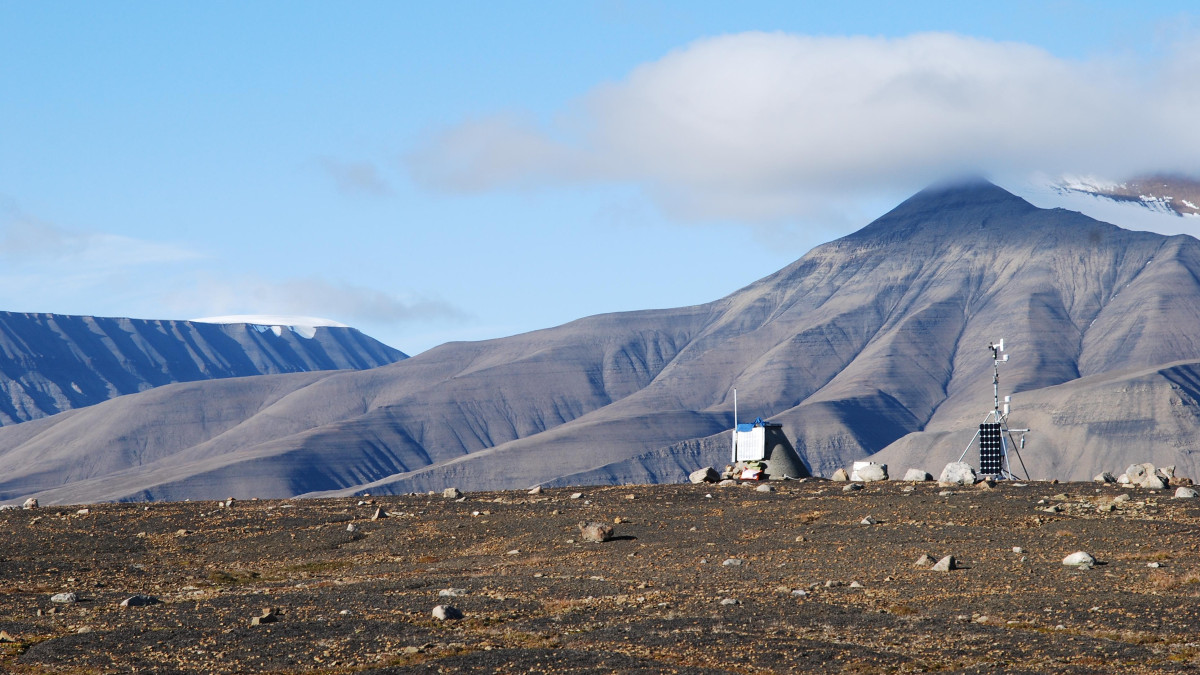
Changes are being felt throughout Norway. The northern part of the country, especially Svalbard, is experiencing them most rapidly.
Fot. Ketil Isaksen, MET
The summer of 2026 brought prolonged heatwaves and drought to many parts of Europe. The consequences include agricultural losses, forest fires, low river water levels, and problems with energy production. Norway is also familiar with a similar scenario. In 2018, high temperatures and little rainfall led to record-low soil moisture, crop losses, and a high risk of wildfires in the country.
Heat Accelerates Drought. Soil Loses Water
A study by the international initiative World Weather Attribution (WWA) indicates that the main source of the problem may not be just a lack of rain. Higher temperatures increase the evaporation of water from soil, rivers, and lakes. The landscape dries out faster. As a result, even a moderate shortage of rainfall can turn into a severe drought.
Scientists analyzed precipitation, soil moisture, and potential evapotranspiration, known as PET. This indicator shows how much moisture the atmosphere can absorb. In warmer air, this capacity increases. The study found a clear increase in evaporation from the earth's surface and a higher risk of agricultural drought.
Scientists analyzed precipitation, soil moisture, and potential evapotranspiration, known as PET. This indicator shows how much moisture the atmosphere can absorb. In warmer air, this capacity increases. The study found a clear increase in evaporation from the earth's surface and a higher risk of agricultural drought.
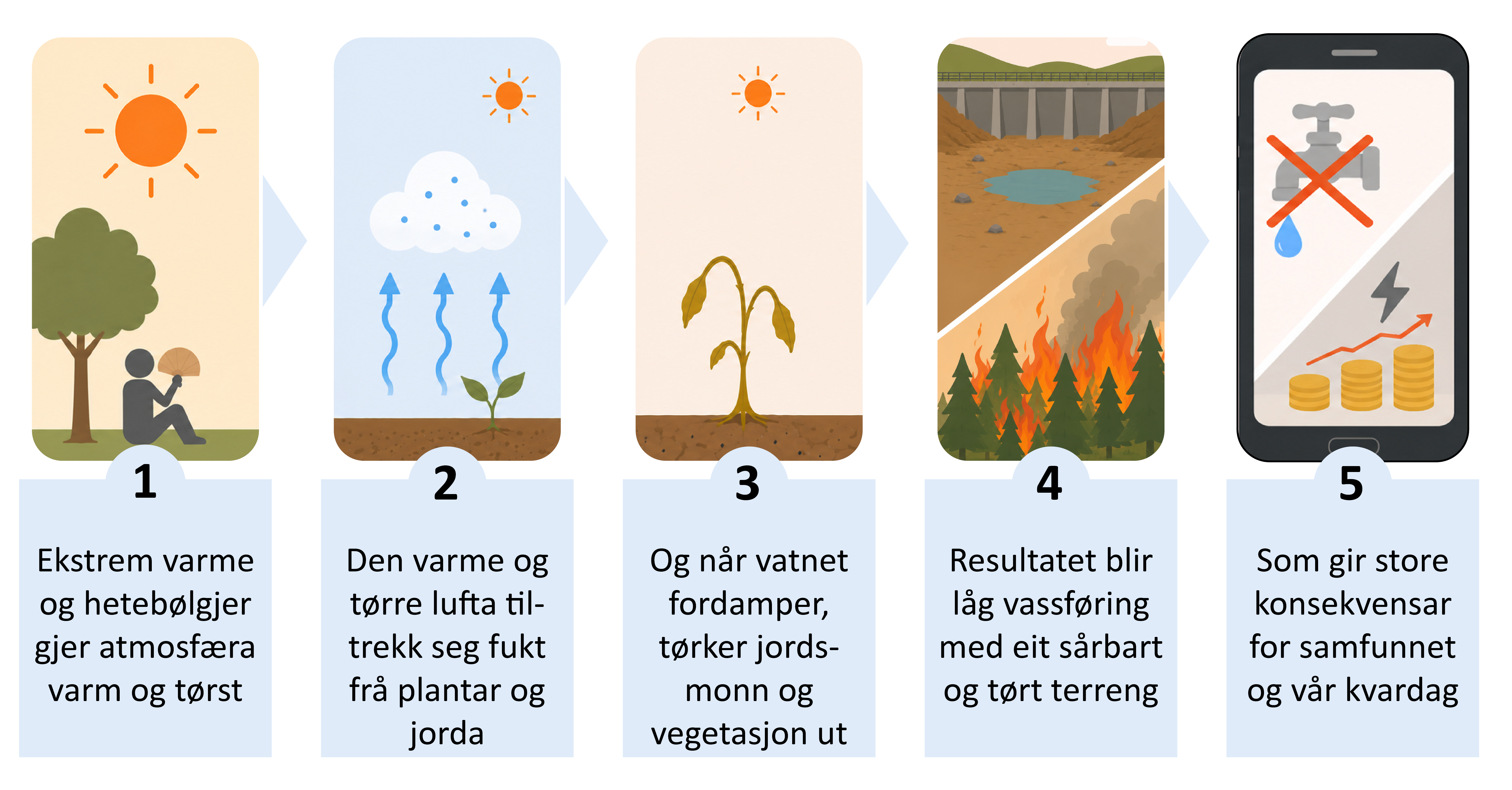
The Norwegian Meteorological Institute presents graphics showing the effects of warming.Meteorologisk institutt
Norway Will Also Feel the Changes. Energy and Agriculture at Risk
Climate researcher Julia Lutz emphasizes that climate change is not only about the amount of summer rainfall. The rate at which high temperatures draw water from soil and vegetation is also important. In the past, a dry season could remain a period of temporary water shortage. Now, similar conditions can more quickly lead to severe drought.
For Norway, this means risks beyond agriculture. Drought can limit the availability of water used for energy production and increase the risk of forest fires. Lower river flows can also affect transport and local ecosystems. In Europe, the combination of heat and drought may additionally lead to higher food and energy prices.
For Norway, this means risks beyond agriculture. Drought can limit the availability of water used for energy production and increase the risk of forest fires. Lower river flows can also affect transport and local ecosystems. In Europe, the combination of heat and drought may additionally lead to higher food and energy prices.
According to the study, a further increase in global temperature to around 2.8 degrees could make such periods of heat and drought about twice as likely as they are now. For Norway, this means the need to monitor not only rainfall levels, but also temperature and evaporation rates. These factors may signal the development of drought earlier.
How do you rate this article?