Tourists Give Up the Hottest Months. Bookings in Scandinavia Are Soaring
Heatwaves and fires are influencing tourists' decisions. Travelers are increasingly checking weather forecasts and safety levels before choosing their holiday destinations. Cooler destinations and trips outside the peak season are gaining popularity.
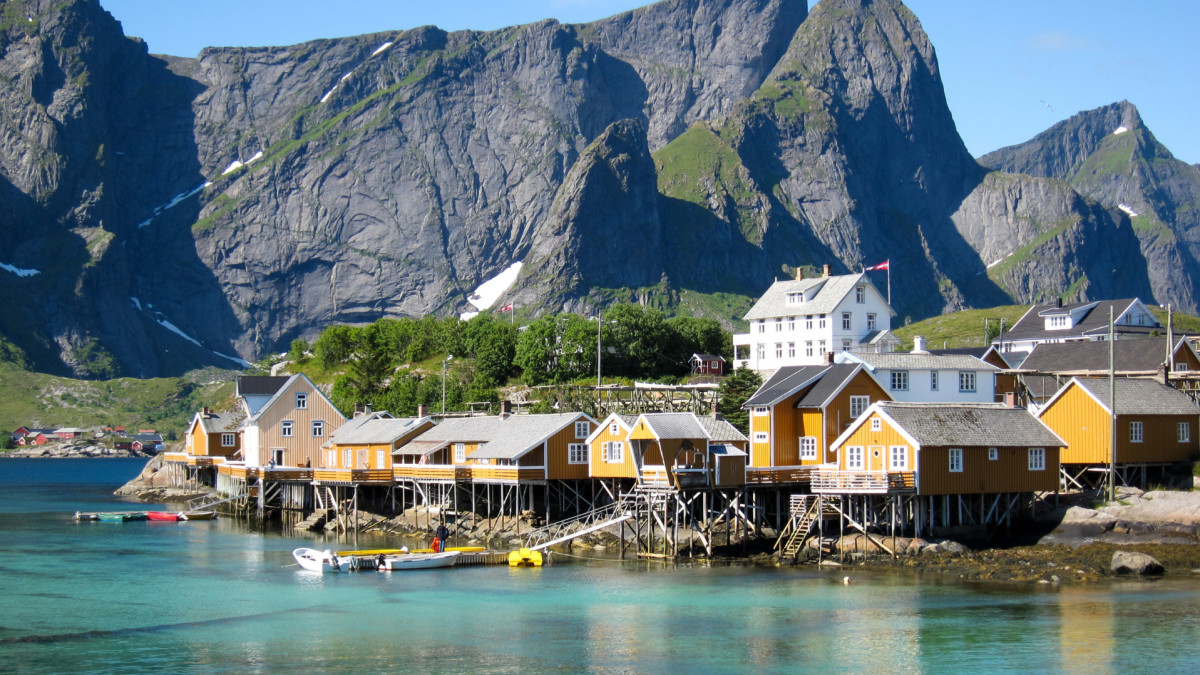
Norway benefits from having lower temperatures than southern Europe.
Fot. Nelson Minar from San Francisco, USA, CC BY-SA 2.0, via Wikimedia Commons
Extreme temperatures are changing the way holidays are planned in Europe. According to 'Rzeczpospolita', some travelers are giving up regions affected by heatwaves or fires and are looking for places with milder climates. Price is no longer the only factor. Increasingly important are access to infrastructure, opportunities for active recreation, and the risk of extreme weather events.
Heat Changes Choices. Tourists Seek Coolness
'Rzeczpospolita' cited analyses from the Spanish CaixaBank. They show that people who experienced exceptionally high temperatures during their holidays are less likely to return to the same country the following year. Some of them still plan to travel, but choose cooler regions or dates outside the hottest months.
This phenomenon is called 'coolcation', meaning vacations in a cooler climate. According to a survey by the booking portal Booking.com, nearly three-quarters of respondents take weather conditions into account when planning their holidays. The perception of popular resorts is also changing. As many as 55% of respondents believe that some well-known destinations have become too hot in the summer.
This phenomenon is called 'coolcation', meaning vacations in a cooler climate. According to a survey by the booking portal Booking.com, nearly three-quarters of respondents take weather conditions into account when planning their holidays. The perception of popular resorts is also changing. As many as 55% of respondents believe that some well-known destinations have become too hot in the summer.
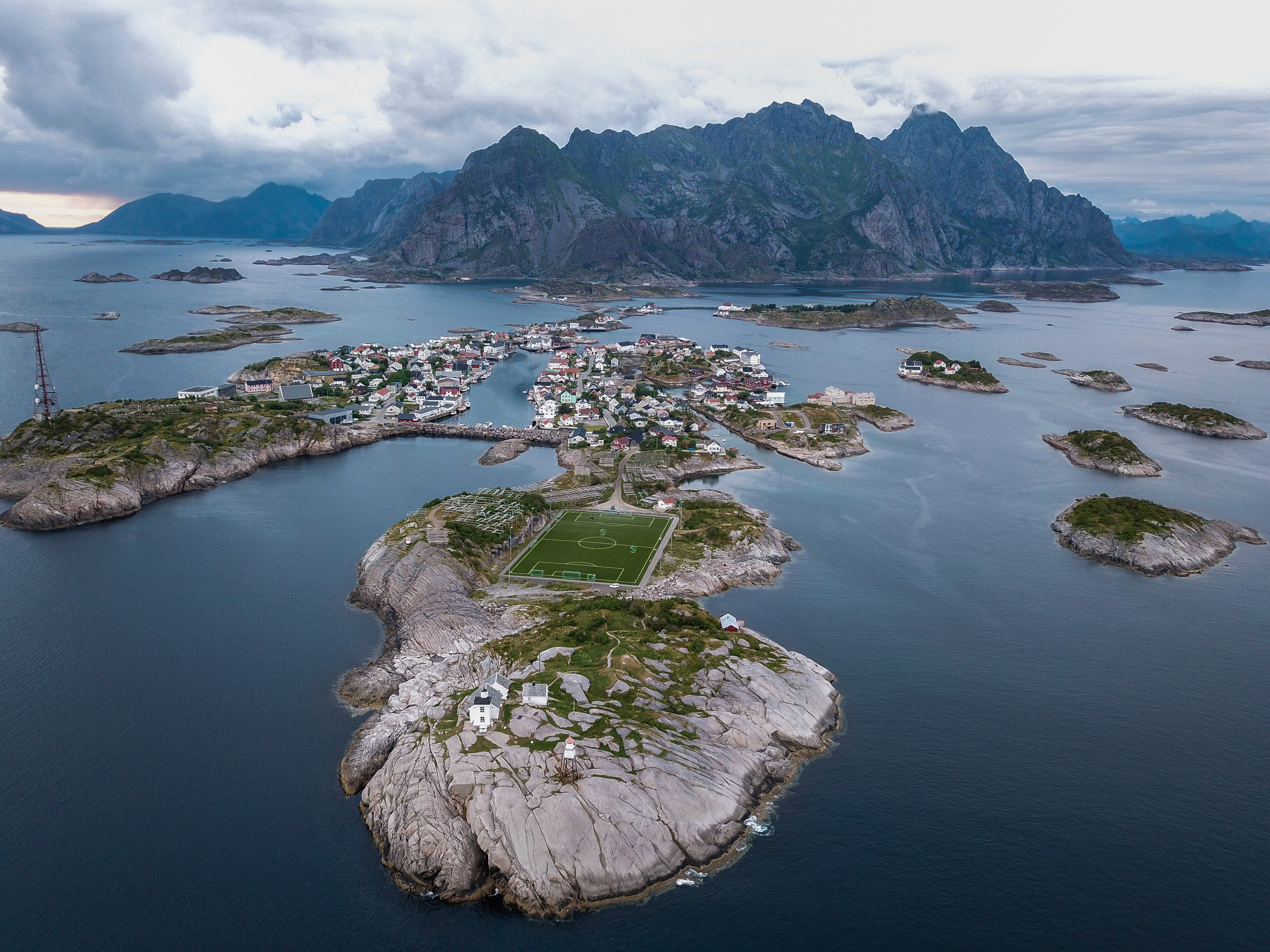
The trend for so-called coolcations is growing as temperatures rise in Southern Europe.Photo: Adobe Stock, standard license
Norway and All of Scandinavia Attract. The Tourist Season Is Getting Longer
Scandinavian countries are the main beneficiaries of these changes. Finland, Norway, Sweden, and Denmark are seeing growing interest, as Northern Europe is increasingly presented as an alternative to holidays on the Mediterranean. The increase is visible in bookings. According to data from Virtuoso, in some Scandinavian tourist destinations, the number of bookings has risen by as much as 44%.
Travel dates are also changing. More and more people are planning holidays in May, June, September, or October, thus avoiding the highest temperatures in July and August. This is a challenge for Southern Europe, where many businesses still rely on a short and intense summer season.
Travel dates are also changing. More and more people are planning holidays in May, June, September, or October, thus avoiding the highest temperatures in July and August. This is a challenge for Southern Europe, where many businesses still rely on a short and intense summer season.
Changing travel dates may gradually extend the tourist season beyond the traditional summer months. At the same time, companies in Mediterranean regions will have to take into account the risk of fires, infrastructure limitations, and growing expectations regarding safety. Weather is thus becoming one of the key factors influencing competition between European destinations.
How do you rate this article?