Tariffs are Changing Trade in Europe. Data Shows a Clear Difference Between Neighbors
Changes in global trade are affecting Norway and Sweden differently. Norwegian exports to the USA increased by 10.2%, while Swedish goods sales to this market declined. The differences are mainly due to the structure of exports and the scale of the impact of American tariffs.
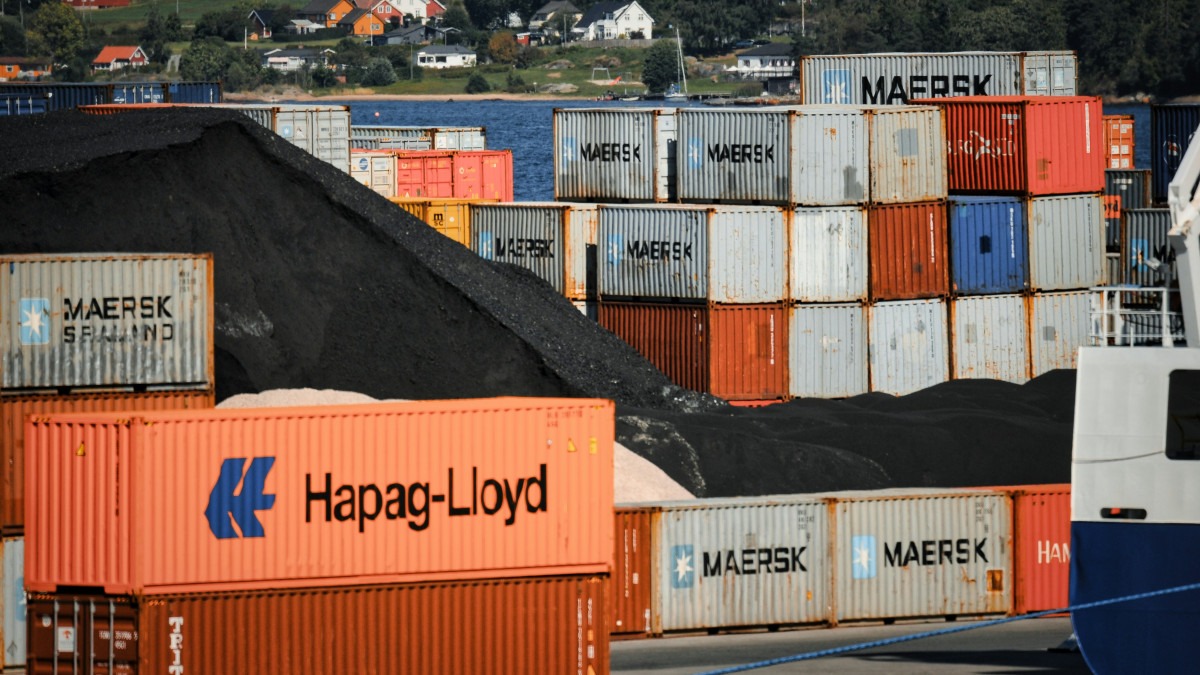
Decisions by the American administration have a different impact on European countries.
Fot. materiały prasowe Dun & Bradstreet
The latest data indicates a shift in international trade routes. Companies are responding to growing geopolitical uncertainty by directing goods to a larger number of markets and strengthening regional trade. The importance of higher value-added products is also increasing. This process is visible in both Norway and Sweden, although its effects differ for each economy.
The USA Divides Exporters. Energy Protects Norway
Swedish exports to the USA have decreased. Sweden's economy relies heavily on foreign sales of vehicles, machinery, and electronics—sectors directly affected by American tariffs. This increases the impact of new trade barriers. Swedish companies are therefore reducing their exposure to tariffed goods and more often directing sales to European markets.
Norwegian exports to the USA, on the other hand, rose by 10.2%. Norway mainly sells crude oil and refined petroleum products to this market, which have been excluded from American tariffs. The export structure thus reduces the direct impact of tariffs. Fredrik Blixt Borge, Senior Product Manager at Dun & Bradstreet Norge, points out that even two Nordic economies can experience changes in market conditions in completely different ways.
Norwegian exports to the USA, on the other hand, rose by 10.2%. Norway mainly sells crude oil and refined petroleum products to this market, which have been excluded from American tariffs. The export structure thus reduces the direct impact of tariffs. Fredrik Blixt Borge, Senior Product Manager at Dun & Bradstreet Norge, points out that even two Nordic economies can experience changes in market conditions in completely different ways.

The Trump administration's decision affected Europe.Photo: Gage Skidmore, flickr.com (CC BY-SA 2.0)
Exports Change Direction. Germany Gains Importance
Data shows a broader restructuring of trade in the Nordic region. Germany is strengthening its position as a trading partner, and goods flows are covering an increasing number of markets. Exports of high value-added products are also increasing. As a result, companies are becoming less dependent on individual buyers.
The total value of Norwegian exports has fallen, but the main reasons were lower oil prices and a stronger NOK. These factors reduced the value of oil sales when converted to Norwegian currency. Excluding energy, the picture is different. The rest of Norwegian exports rose significantly compared to the same period last year, mainly thanks to machinery, electrical equipment, and other high value-added industrial goods.
The total value of Norwegian exports has fallen, but the main reasons were lower oil prices and a stronger NOK. These factors reduced the value of oil sales when converted to Norwegian currency. Excluding energy, the picture is different. The rest of Norwegian exports rose significantly compared to the same period last year, mainly thanks to machinery, electrical equipment, and other high value-added industrial goods.
The Dun & Bradstreet analysis covers Norwegian and Swedish import and export data for 2024 and 2025. It takes into account product categories, trading partners, and annual changes in goods flows. In selected cases, the number of container transport bookings was also used as an additional indicator of trade activity.
How do you rate this article?