Norway Wealthier Than Ever. What Will the Government Do With the Oil Fund Fortune?
Oljefondet – the Norwegian Oil Fund – has reached a record valuation exceeding NOK 20,600 billion. This could give the governing coalition more room to maneuver in the upcoming budget negotiations. Prime Minister Jonas Gahr Støre and his budget partners may thus have more resources at their disposal.

The value of the Oil Fund depends on many factors. These also determine what Norway's budget will look like in 2026.
Fot. Pontus Höög/Den norske FN-delegasjonen (Flickr.com, CC BY-NC 2.0)
Oljefondet has reached NOK 20,609 billion, marking a historic high in its operations. Over the past year, the fund's value has fluctuated significantly. In April, it dropped below NOK 18,000 billion. The main reasons were trade tensions and ongoing geopolitical uncertainty.
Fund monitors reported a value of NOK 20,630 billion, but the official estimate ended at NOK 20,609 billion. The value of the assets is influenced by stock and bond prices as well as the Norwegian krone's exchange rate against global currencies.
Fund monitors reported a value of NOK 20,630 billion, but the official estimate ended at NOK 20,609 billion. The value of the assets is influenced by stock and bond prices as well as the Norwegian krone's exchange rate against global currencies.
Norway's 2025 Budget: Opportunities and Constraints
If the fund maintains its value, the government could have NOK 618 billion to spend in the coming year, staying within the three percent limit of the fund's assets. In 2025, the original plan was to use NOK 460 billion, which was 2.5 percent of the fund. During budget talks, this estimate was increased to NOK 542 billion, or 2.7 percent of the fund's value.
Economists warn that the fiscal administration will likely try to keep spending well below this limit. Fund stress tests suggest that in adverse scenarios, the value could drop by as much as 35 percent, which would mean a loss of over NOK 7,000 billion.
Economists warn that the fiscal administration will likely try to keep spending well below this limit. Fund stress tests suggest that in adverse scenarios, the value could drop by as much as 35 percent, which would mean a loss of over NOK 7,000 billion.
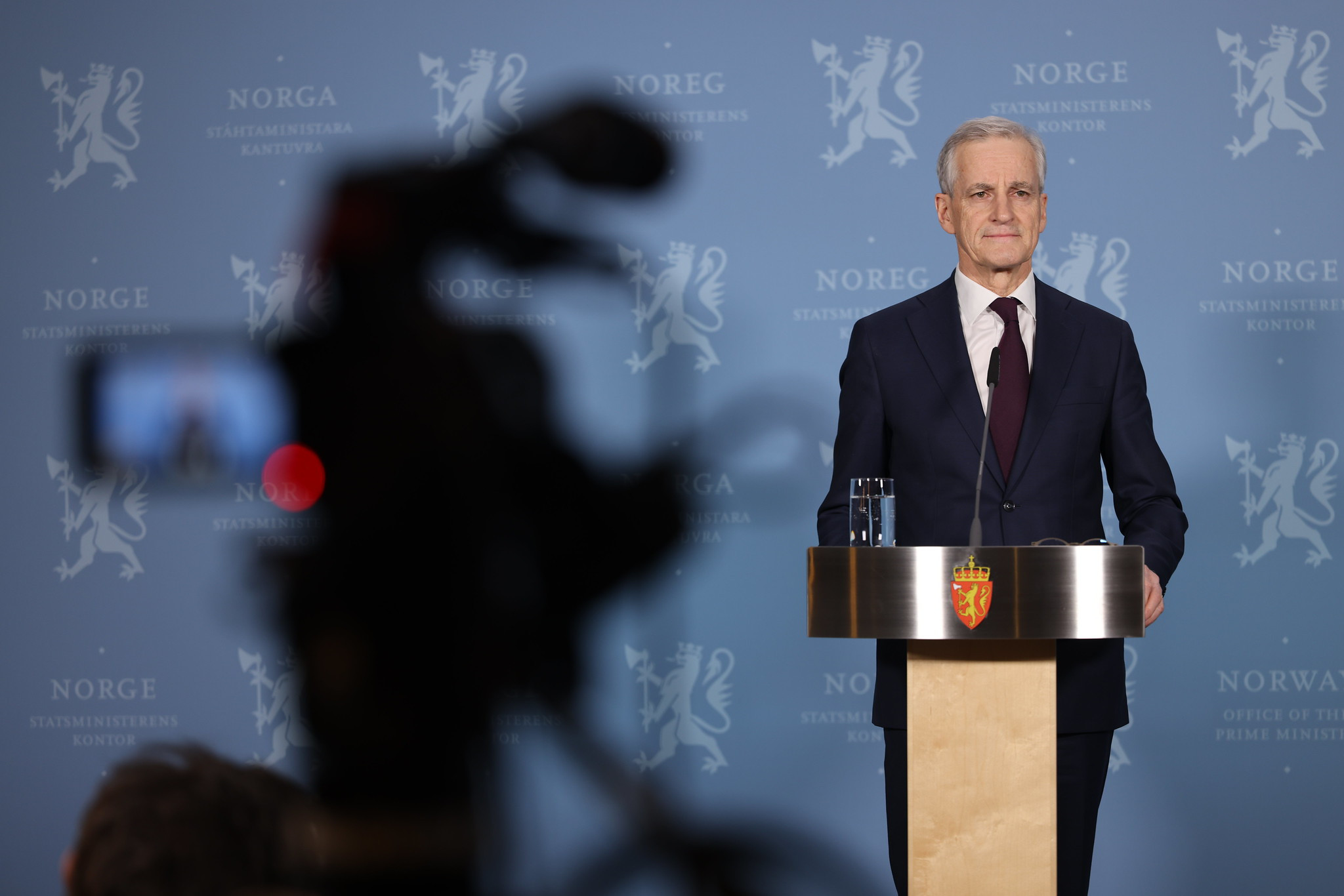
The Labour Party is forming a minority government. To pass government projects, including the budget bill, it needs to reach compromises with other parties.Photo: Martin Lerberg Fossum/Statsministerens kontor (Flickr.com, CC BY-NC 2.0)
Labour Party's Budget Partners Respond
Rødt (the Red Party) emphasizes that it wants to use the opportunity to increase funding for social reforms, such as strengthening dental services. The funds could come from the Oil Fund, tax changes, or budget reallocations. Rødt representative Mímir Kristjánsson points out that while additional resources are available, he does not assume automatic spending increases—compromises will be necessary.
Economist Kjersti Haugland notes that although the growing value of Oljefondet may facilitate talks with budget partners, the government is unlikely to allow overly aggressive use of the funds. Opposition parties expect that real compensation proposals will be included in the negotiations, for example through spending cuts or other sources of revenue.
Economist Kjersti Haugland notes that although the growing value of Oljefondet may facilitate talks with budget partners, the government is unlikely to allow overly aggressive use of the funds. Opposition parties expect that real compensation proposals will be included in the negotiations, for example through spending cuts or other sources of revenue.
How do you rate this article?