Norway by 2028. What Do the Latest Economic Forecasts Say?
The economy has entered a period of stable growth after a marked rebound since mid-2024. Unemployment has increased, largely due to a higher labor supply. Inflation has fallen from its 2022 peak. However, in 2025, it remains at around 3 percent—above the inflation target of 2 percent.
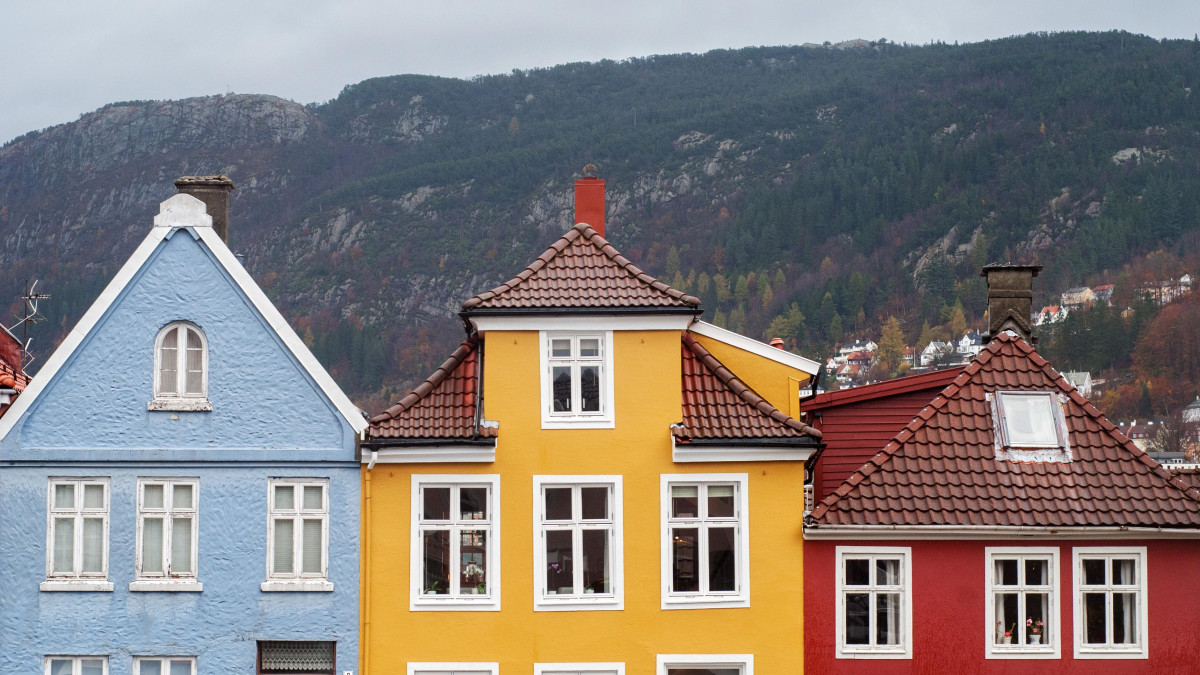
Household consumption remains the main driver of growth
Fot. Adobe Stock, licencja standardowa
According to forecasts from the Central Statistical Bureau, economic growth in mainland Norway is expected to average just over 1.5 percent in the coming years. The main drivers of growth remain rising household consumption and demand generated by public spending.
In 2024, consumption increased by about 1.5 percent. In 2025, it was already 2.2 percent higher than the previous year. Between 2025 and 2028, average consumption growth is expected to reach around 2.5 percent.
In 2024, consumption increased by about 1.5 percent. In 2025, it was already 2.2 percent higher than the previous year. Between 2025 and 2028, average consumption growth is expected to reach around 2.5 percent.
Fiscal Policy Boosts Growth
An additional stimulus for the economy will be fiscal policy. According to the 2026 state budget, spending from the oil fund will increase by NOK 4.6 billion. The increase in public demand particularly concerns defense spending.
In 2027–2028, public demand is expected to grow by an average of 2.0 percent. This pace exceeds the long-term growth trend of the Norwegian economy.
In 2027–2028, public demand is expected to grow by an average of 2.0 percent. This pace exceeds the long-term growth trend of the Norwegian economy.

The growth in construction is related to falling interest ratesPhoto: stock.adobe.com/standardowa/Grispb
Construction and Oil Sector Slow Down
A limiting factor for growth remains low activity in residential construction. A more pronounced recovery in this sector is forecast only for 2027. This is related to rising housing prices and a further decline in interest rates.
In 2028, real estate prices are expected to be about 20 percent higher than in 2024. At the same time, the completion of major oil projects will lead to a decline in investment in the sector.
In 2028, real estate prices are expected to be about 20 percent higher than in 2024. At the same time, the completion of major oil projects will lead to a decline in investment in the sector.
Interest Rates, Inflation, and the Labor Market
Forecasts assume a gradual easing of monetary policy. The reference rate is expected to fall to 3.5 percent in 2027 and remain at that level in 2028. Inflation will decrease and approach about 2.5 percent.
Employment growth, especially in the service sector, is expected to support improvements in the labor market. Unemployment will decline as demand for workers increases.
Employment growth, especially in the service sector, is expected to support improvements in the labor market. Unemployment will decline as demand for workers increases.
How do you rate this article?