Norges Bank responds to inflation. Further moves not ruled out
Norges Bank raised its key policy rate from 4.25% to 4.50%. The decision was made on 23 September because inflation remains clearly above the 2% target. The new rate will take effect on 25 September 2026.
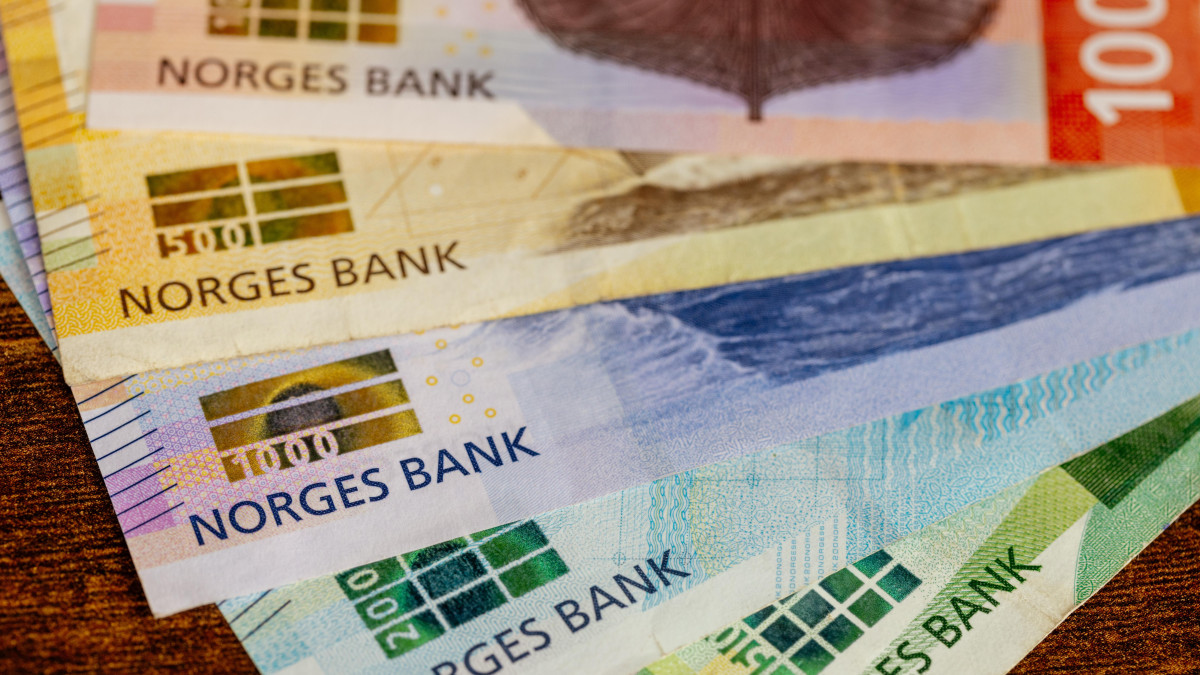
Norges Bank raised interest rates in Norway.
Fot. Adobe Stock, licencja standardowa
The Monetary Policy and Financial Stability Committee concluded that monetary policy should be tightened somewhat. Norges Bank indicates that this is intended to help bring inflation back to target within a reasonable time horizon. Interest rates may remain high for an extended period. Norges Bank Governor Ida Wolden Bache also stressed that the bank is ready for another rate hike if needed to curb inflation.
Inflation still too high. The bank is monitoring prices and the krone exchange rate
Inflation has remained above target for several years. Core inflation, measured by the CPI adjusted for tax changes and excluding energy products, has slowed more than previously expected. At the same time, headline CPI inflation was higher than forecast. Norges Bank also points to rising prices for oil, gas and other commodities since June.
The situation in the currency market is also important. A stronger krone should curb the rise in prices of imported goods, while higher external prices may work in the opposite direction. The bank also notes ongoing uncertainty linked to the conflict in the Middle East. Wage growth is expected to be lower this year than in 2025 and broadly in line with the June projections.
The situation in the currency market is also important. A stronger krone should curb the rise in prices of imported goods, while higher external prices may work in the opposite direction. The bank also notes ongoing uncertainty linked to the conflict in the Middle East. Wage growth is expected to be lower this year than in 2025 and broadly in line with the June projections.

Ida Wolden Bache pointed, among other things, to inflation remaining above the 2.0% target.Photo: Nils S. Aasheim/Norges Bank
The economy is slowing slightly. Rates will remain high for longer
Activity in the mainland economy grew largely in line with expectations. Employment continued to rise, while unemployment changed little in recent months. At the same time, fewer companies participating in the Regional Network survey report capacity constraints and labour shortages. Norges Bank assesses that capacity utilisation in the economy is gradually declining.
The bank does not want to curb economic activity more than necessary. At the same time, rapid growth in costs borne by businesses in recent years may continue to sustain inflation. The new forecast therefore assumes that the interest rate will remain close to its current level for some time, before gradually declining later. According to the path presented by Norges Bank, inflation is expected to begin slowing more noticeably next year and fall to 2% in 2029.
The bank does not want to curb economic activity more than necessary. At the same time, rapid growth in costs borne by businesses in recent years may continue to sustain inflation. The new forecast therefore assumes that the interest rate will remain close to its current level for some time, before gradually declining later. According to the path presented by Norges Bank, inflation is expected to begin slowing more noticeably next year and fall to 2% in 2029.
From 25 September, the key policy rate will be 4.50%, the overnight lending rate 5.50%, and the reserve rate 3.50%. Norges Bank also expects a slight further cooling of the economy and registered unemployment to rise somewhat above pre-pandemic levels. The next monetary policy decision will be published on 5 November.
How do you rate this article?