NOK 170 million for climate and natural risk. Norway funds new research
The Norwegian Research Council (Forskningsrådet) has allocated NOK 170 million to support 12 research projects focused on climate and nature-related risks. The initiative aims to provide new knowledge that can enhance society’s ability to understand and cope with climate change and natural hazards. The projects cover topics ranging from extreme weather conditions and floods to biodiversity and the carbon footprint of hydropower plants.
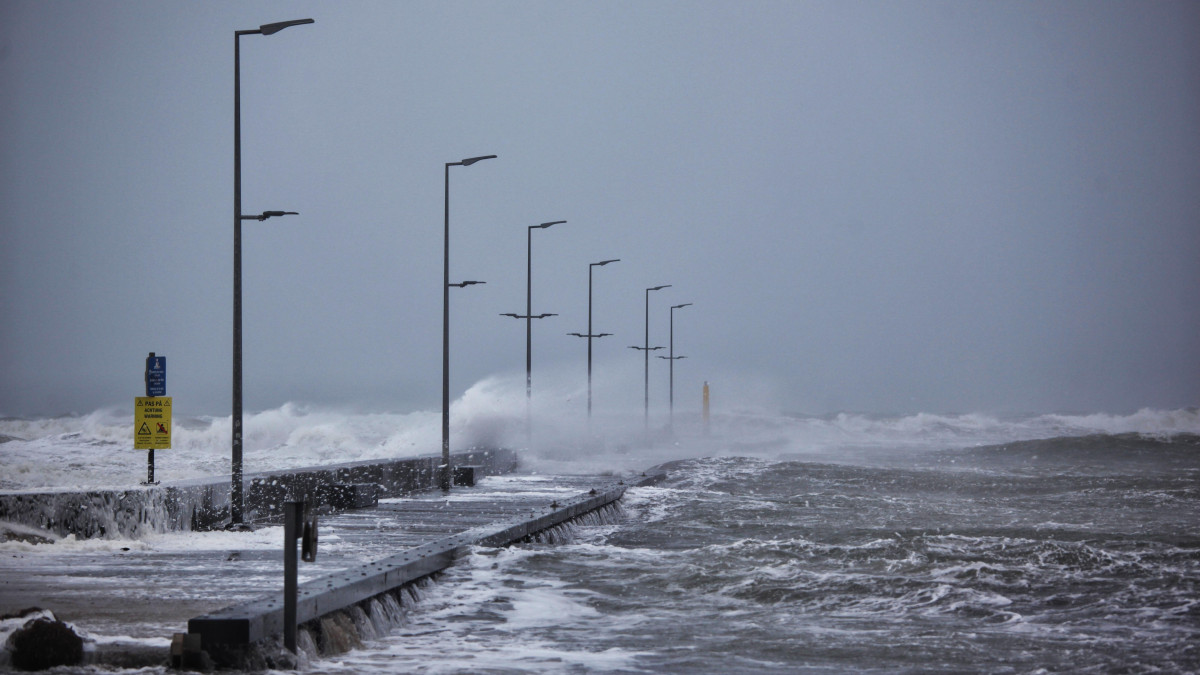
In Norway, storms, floods, and landslides are among the dangers.
Fot. Shutterstock, za: Forskningsrådet
The research projects combine perspectives from the natural and social sciences, which is intended to facilitate decision-making by authorities, businesses, and local communities. The Minister of Climate and Environment, Andreas Bjelland Eriksen, emphasized that the need for solid knowledge is growing as the effects of climate change become more apparent.
The Research Council’s Managing Director, Mari Sundli Tveit, pointed to the necessity of an interdisciplinary approach to complex challenges. The findings from the research are expected to help create solutions that connect nature, climate, and society.
The Research Council’s Managing Director, Mari Sundli Tveit, pointed to the necessity of an interdisciplinary approach to complex challenges. The findings from the research are expected to help create solutions that connect nature, climate, and society.
Will Norway be ready for the climate crisis?
The thematic scope of the projects is broad—from land, freshwater, and coastal areas to the seas. For example, one project analyzes so-called “biological hotspots” in the sub-Antarctic region, combining field observations and ocean-land-isotherm models. Another project examines the impact of hydropower plants on the environment and society by analyzing emissions and land use.
Yet another is developing frameworks that integrate climate and natural risk from a social perspective, with case studies in the Innlandet and Bergen regions. The results are intended to support planning, adaptation, and policy-making at various administrative levels.
Yet another is developing frameworks that integrate climate and natural risk from a social perspective, with case studies in the Innlandet and Bergen regions. The results are intended to support planning, adaptation, and policy-making at various administrative levels.
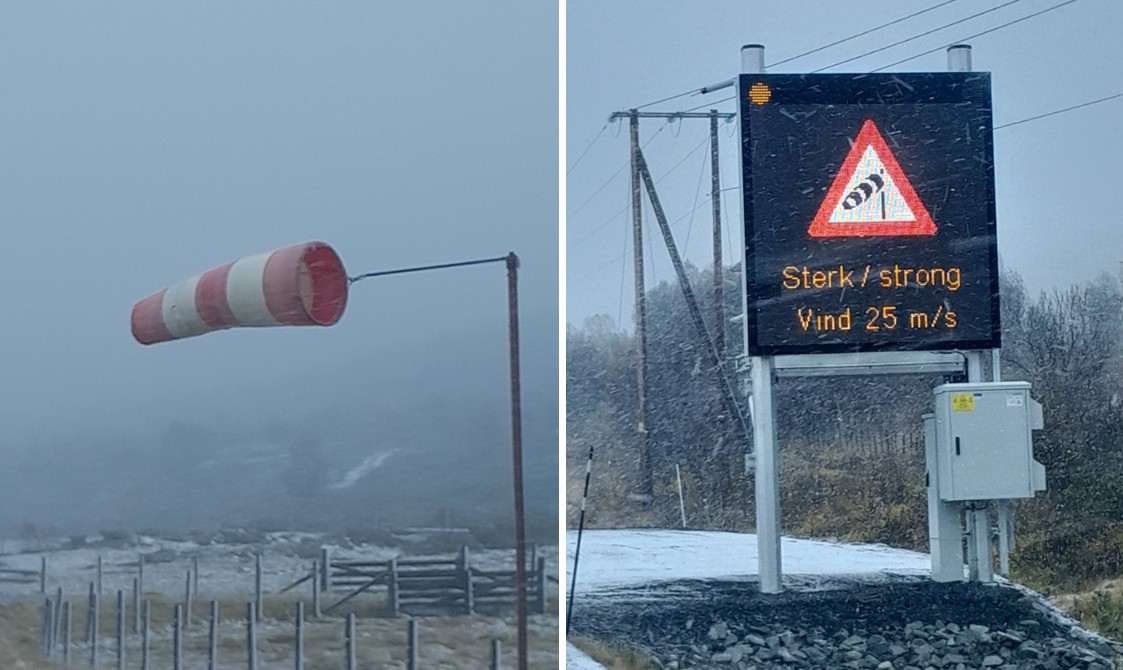
In recent weeks, Norway was hit by, among others, storm Amy. Two years ago, even greater damage was caused by Hans.Photo: Frode Stordal, Stian Brenden Maskinservice AS
The funded projects have the potential to generate new data and tools for decision-makers—from local governments to government agencies—in the face of increasing pressure from climate change and natural hazards. In this context, the funding is one element in building social and ecosystem resilience in Norway and polar regions.
How do you rate this article?