Loneliness, Norwegian Style. They Give Up Culture Because They Have No One to Go With
More and more Norwegians are giving up on cultural events due to a lack of company. At the same time, most declare that in 2026 they want to take part in cultural offerings more frequently and willingly.

Many respondents declare a desire to participate in cultural activities more often in 2026.
Fot. Wygenerowano przy pomocy AI
The latest "Kulturpuls" survey conducted by the Virke organization shows that the number of people skipping cultural events because they have no one to go with is increasing. The survey is nationwide and analyzes consumer preferences and plans for the coming year.
Lack of Company Limits Participation
An increasing number of respondents indicate that the absence of a companion influences their decision to skip events. This problem is particularly visible among young adults. It also affects residents of cities with a rich cultural offering. Participation in culture is linked to relationships and a sense of community.
According to Virke representatives, motivation to participate drops when there is a lack of community. The study shows that relationships and belonging are more important than the price or program of an event. The organization highlights the importance of taking the initiative to invite others. For many people, this can impact daily functioning.
According to Virke representatives, motivation to participate drops when there is a lack of community. The study shows that relationships and belonging are more important than the price or program of an event. The organization highlights the importance of taking the initiative to invite others. For many people, this can impact daily functioning.
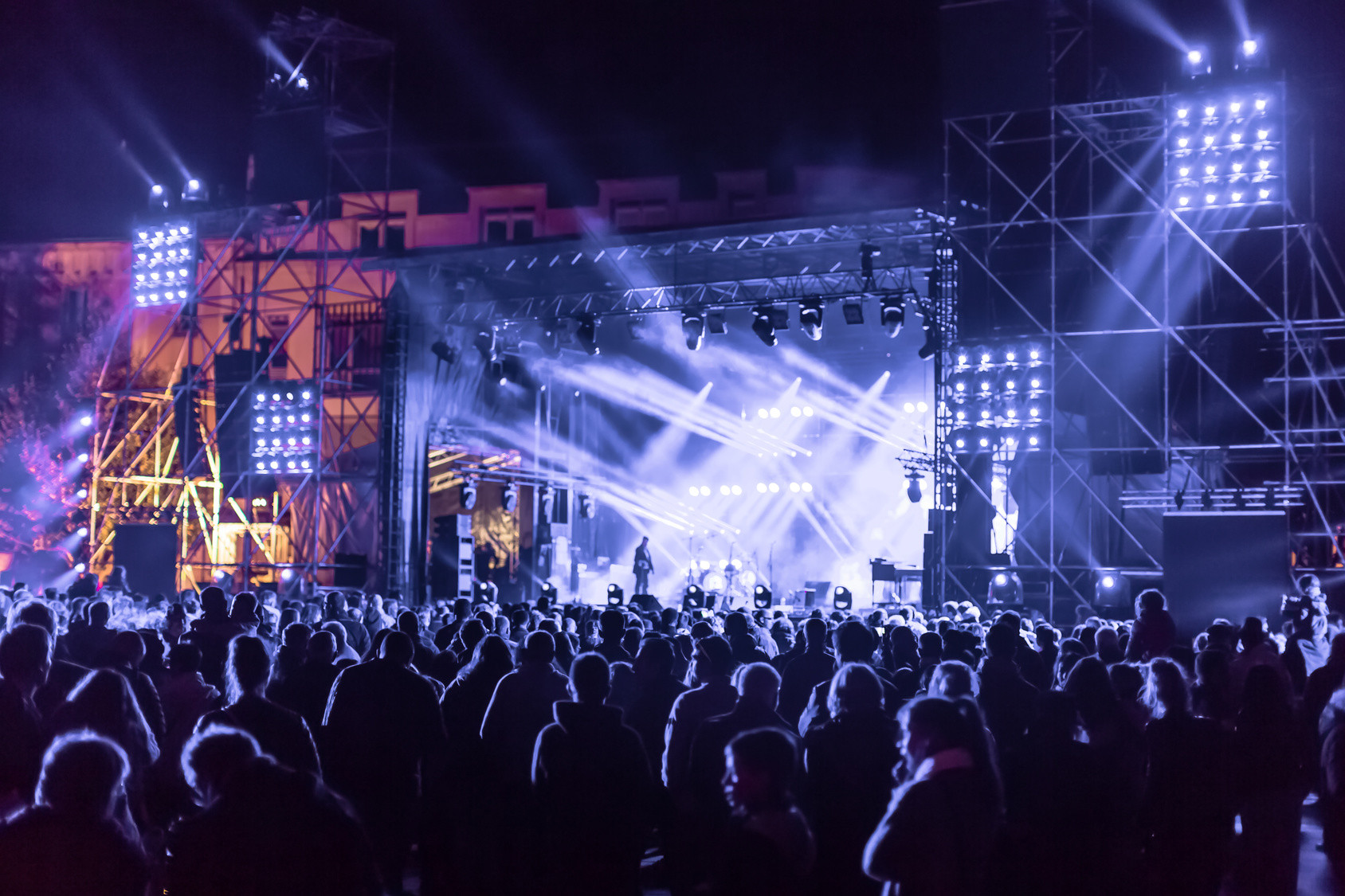
Women show greater engagement in culture than men.Photo: fotolia.pl - royalty free
Time More Important Than Money
Most respondents declare that they want to allocate more resources to culture in 2026. Fewer people than in previous years are giving up for financial reasons. Cinema and concerts remain the most popular forms of participation. High interest is maintained regardless of age, gender, or place of residence.
One of the main barriers remains a lack of time. This is especially true for young adults and parents of small children. Daily work and family responsibilities limit the ability to plan outings. Participation in culture loses out to other activities and time pressure.
The study also shows demographic differences. Women and older people show greater engagement in culture. Residents of large cities use the offerings more often, although they also have higher expectations. In smaller towns, logistical issues and distances are more important. Respondents also declare greater selectivity in choosing events, but at the same time loyalty to selected forms of participation.
One of the main barriers remains a lack of time. This is especially true for young adults and parents of small children. Daily work and family responsibilities limit the ability to plan outings. Participation in culture loses out to other activities and time pressure.
The study also shows demographic differences. Women and older people show greater engagement in culture. Residents of large cities use the offerings more often, although they also have higher expectations. In smaller towns, logistical issues and distances are more important. Respondents also declare greater selectivity in choosing events, but at the same time loyalty to selected forms of participation.
How do you rate this article?