Clear rebound in Norway's economy. Key indicator has tripled
Mainland Norway's GDP grew by 1.8 percent in 2025. This is a clear acceleration compared to the previous year.
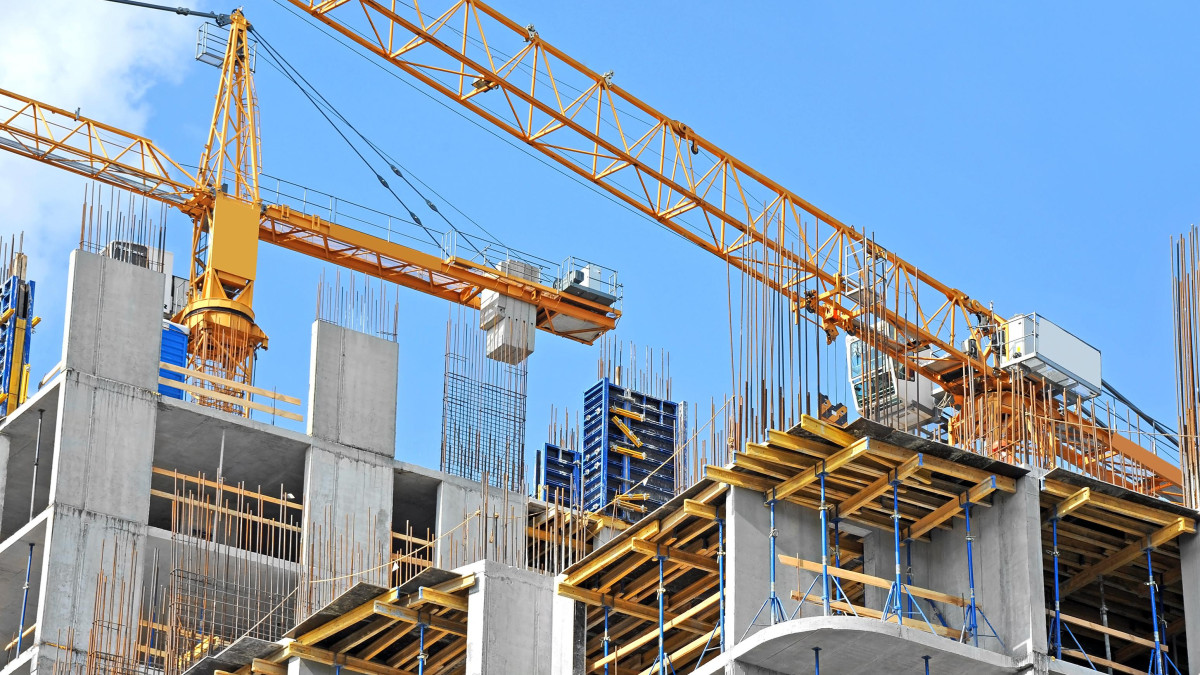
The slowdown in construction affects the entire mainland economy.
Fot. Adobe Stock, licencja standardowa (zdjęcie poglądowe)
The data was published by Statistics Norway (SSB). In 2024, growth amounted to 0.6 percent. Economic activity began to rise from the summer of 2024. In the fourth quarter of 2025, growth reached 0.4 percent. The result was in line with the expectations of economists surveyed by Bloomberg.
Rebound after weaker years
SSB points out that after a weak 2023, the economy has clearly accelerated. On an annual basis, the growth rate was close to what is considered normal. The recovery concerns the mainland part, excluding the oil and gas sector. The growth in 2025 was in line with previous Norges Bank projections. Economists describe the pace as stable.
The chief economist at Handelsbanken, speaking to E24, highlights the persistent inflation. It remains above the central bank's target, which in the long term is around 2 percent. In recent years, the bank has raised interest rates to curb price pressures. Currently, there is no strong pressure for further rapid rate cuts.
The chief economist at Handelsbanken, speaking to E24, highlights the persistent inflation. It remains above the central bank's target, which in the long term is around 2 percent. In recent years, the bank has raised interest rates to curb price pressures. Currently, there is no strong pressure for further rapid rate cuts.

Two interest rate cuts were made in 2025.Photo: Adobe Stock, standard license
Consumption up, construction down
A Nordea bank economist emphasizes that growth in 2025 supports the maintenance of low unemployment. In his view, the economy is developing at a moderate pace. The level of interest rates still limits the scale of expansion. However, it is not obvious that rates are significantly higher than what is considered normal. The central bank is focusing on controlling inflation.
Data show an increase in private consumption. This is related to a high rise in wages. At the same time, the decline in the construction sector continues. Demand for housing and commercial real estate has clearly decreased since interest rate hikes began in 2022. The decline also continued in 2025, although it was milder than before.
In 2025, fiscal policy assumed slower growth in public spending and investment. Two interest rate cuts improved households' purchasing power thanks to real wage growth. SSB notes that this is the third consecutive year of declining housing demand. This phenomenon continues to limit the dynamics of the mainland economy.
Data show an increase in private consumption. This is related to a high rise in wages. At the same time, the decline in the construction sector continues. Demand for housing and commercial real estate has clearly decreased since interest rate hikes began in 2022. The decline also continued in 2025, although it was milder than before.
In 2025, fiscal policy assumed slower growth in public spending and investment. Two interest rate cuts improved households' purchasing power thanks to real wage growth. SSB notes that this is the third consecutive year of declining housing demand. This phenomenon continues to limit the dynamics of the mainland economy.
How do you rate this article?