Washington changes trade rules. Norwegian companies get worse terms than the EU
The US is raising tariffs on goods from Norway from 10 to 12.5 percent. The new rates took effect on Friday, July 24 at 6:00 a.m. Norwegian time. Norwegian authorities reject the justification presented by Washington.
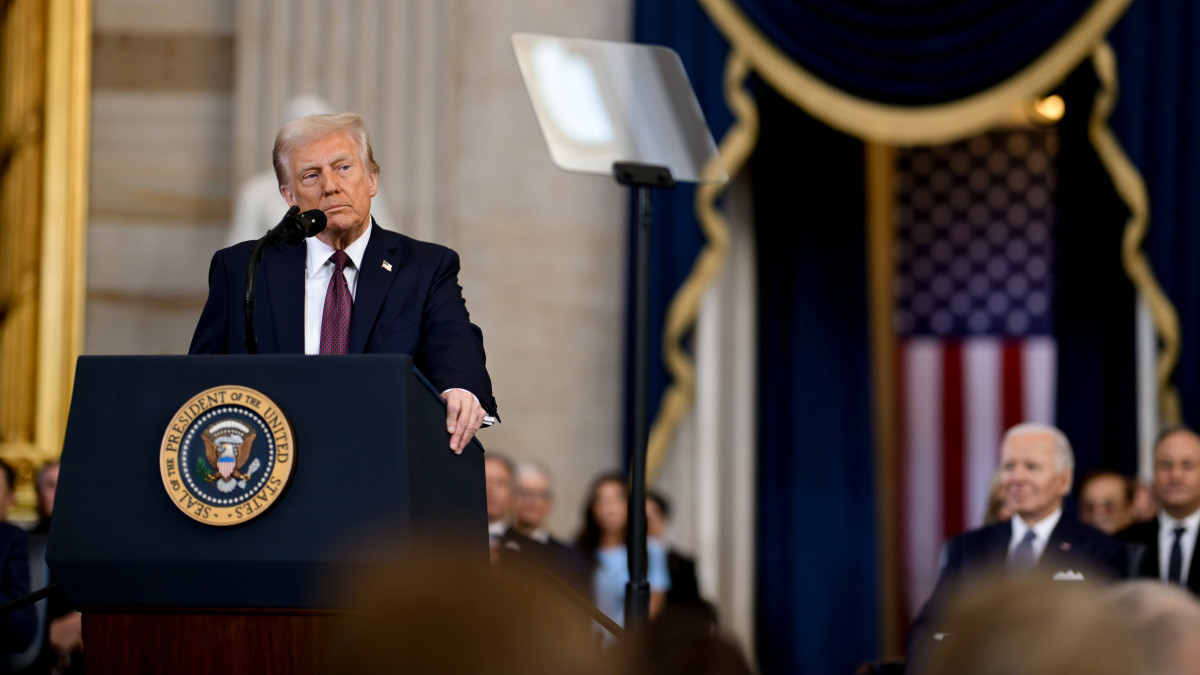
Norway received worse terms than EU countries.
CC0
The United States has imposed new tariffs on 60 countries and trading partners, including Norway, the European Union, and China. According to US authorities, the changes affect over 99 percent of imports entering the US market. EU countries will remain at a 10 percent rate. Norwegian goods will therefore be subject to higher tariffs than products from EU countries.
Tariffs for Norway increase. Only some products are exempt
The United States Trade Representative (USTR) announced the new rates in a statement published on Thursday evening, July 23. Norway had previously been subject to a temporary global tariff of 10 percent. As of Friday, the rate increased to 12.5 percent. According to Norway's Ministry of Foreign Affairs (UD), the new additional tariff will cover about 67 percent of US imports from Norway.
Not all products will be affected by the changes. Exceptions include, among others, fuels, fertilizers, and certain food products. Goods already subject to other tariffs, including cars, metals, and medicines, are also excluded from the new tariffs. Separate rules apply to critical raw materials and products that cannot be sourced in sufficient quantities in the US or from other sources.
Not all products will be affected by the changes. Exceptions include, among others, fuels, fertilizers, and certain food products. Goods already subject to other tariffs, including cars, metals, and medicines, are also excluded from the new tariffs. Separate rules apply to critical raw materials and products that cannot be sourced in sufficient quantities in the US or from other sources.
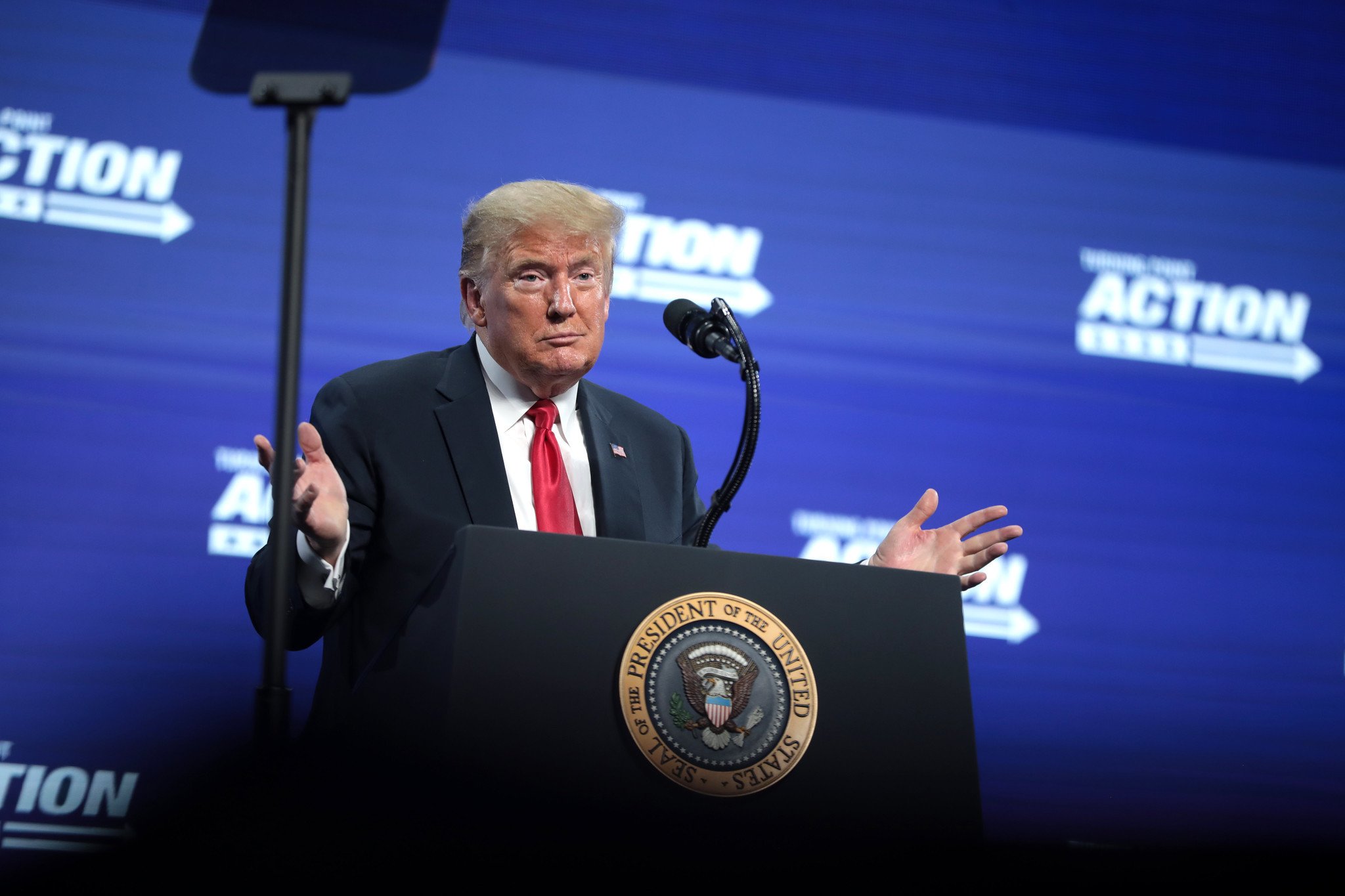
The Norwegian government is not on good terms with Donald Trump's administration.Photo: Gage Skidmore, flickr.com (CC BY-SA 2.0)
Oslo protests. Companies point to competition
The new system has been linked to US regulations on forced labor. US authorities claim that Norway has not implemented or enforced a sufficient ban on the import of goods produced using such labor. Norwegian Foreign Minister Espen Barth Eide disagrees with this assessment. According to him, Norway already has clear regulations to prevent trade in such products.
The Confederation of Norwegian Enterprise (NHO) points out the difference between the rates for Norway and the EU. Director of International Affairs Petter Tollefsen believes that Norwegian exporters will receive worse access conditions to the US market than EU companies. NHO also emphasizes that Norwegian business condemns forced labor. Objections to the US justification were also raised by European Commission representative Kaja Kallas, and the authorities of Australia and Brazil announced actions to withdraw the new tariffs.
The Confederation of Norwegian Enterprise (NHO) points out the difference between the rates for Norway and the EU. Director of International Affairs Petter Tollefsen believes that Norwegian exporters will receive worse access conditions to the US market than EU companies. NHO also emphasizes that Norwegian business condemns forced labor. Objections to the US justification were also raised by European Commission representative Kaja Kallas, and the authorities of Australia and Brazil announced actions to withdraw the new tariffs.
The new rates will replace the global 10 percent tariff that President Donald Trump introduced in February for a period of 150 days. After this period, further continuation of the previous solution would require the approval of Congress.
How do you rate this article?