They call for the implementation of EU regulations in Norway. "Prevention is better than fixing the damage"
In Norway, up to 250,000 homeless kittens may be born each season. This estimate is based on the number of adult cats living without an owner and their ability to reproduce. Animal protection organizations point out that many of these animals do not survive disease, hunger, and the Norwegian winter.
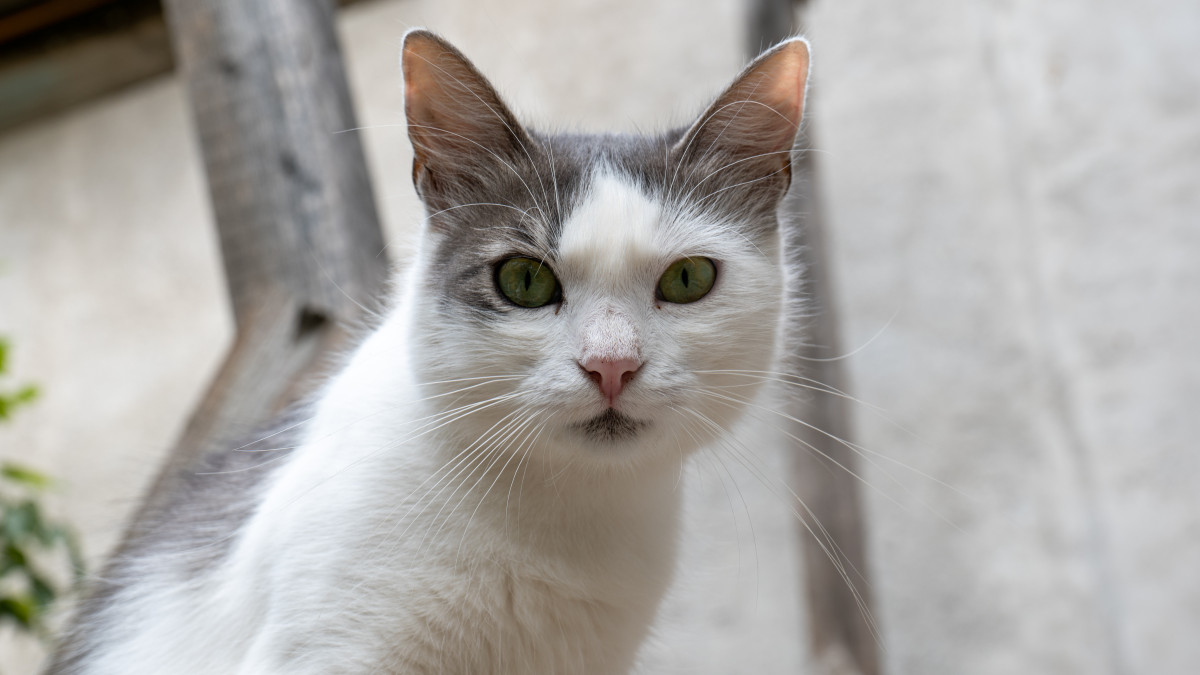
Activists claim that kittens are unable to survive the harsh Norwegian winter.
Fot. stock.adobe.com/licencja standardowa
There may be around 50,000 homeless cats living in Norway. This is according to estimates from the Scientific Committee for Food and Environment (VKM), cited by the Norwegian Society for the Protection of Animals (Dyrebeskyttelsen Norge). If half of this population are females, each can give birth to up to ten kittens in a season. In this way, the number of young can reach 250,000.
Thousands of kittens without a home. The Norwegian climate limits their chances
Hanne Svenningsen from Dyrebeskyttelsen Norge calls this situation a hidden animal tragedy. She emphasizes that the presented calculations are not exaggerated but show the possible scale of the problem. Homeless cats are born outside of controlled breeding. From the first weeks of life, they are exposed to hunger, disease, and lack of shelter.
In Norway, you don't see large colonies of cats like in warmer countries. According to Kathrine Kleppestø, responsible for damages at Frende Insurance (Frende Forsikring), most homeless animals die. Some do not survive the autumn. Those that make it to winter must face the cold and limited access to food.
In Norway, you don't see large colonies of cats like in warmer countries. According to Kathrine Kleppestø, responsible for damages at Frende Insurance (Frende Forsikring), most homeless animals die. Some do not survive the autumn. Those that make it to winter must face the cold and limited access to food.
Prevention is always better than fixing the damage later. We are not able to raise enough money and we do not have the capacity to help all homeless animals. That is why we must try to stop the problem before it occurs
Neutering limits reproduction. Microchips help find the owner
Dyrebeskyttelsen Norge points to the importance of neutering and identification marking. Neutering limits further reproduction of homeless cats, and a microchip allows the owner of a lost animal to be identified. Last year, the organization helped neuter and mark 1,618 cats as part of a nationwide campaign. The actions covered animals needing support in various parts of the country.
A cat or dog may run away from home or be frightened by fireworks and sudden weather. In such situations, up-to-date information in the register makes it easier to contact the owner. Local branches of Dyrebeskyttelsen Norge spent over NOK 20 million last year on veterinary treatment for admitted animals. Another NOK 3 million was spent on food and litter for cats.
A cat or dog may run away from home or be frightened by fireworks and sudden weather. In such situations, up-to-date information in the register makes it easier to contact the owner. Local branches of Dyrebeskyttelsen Norge spent over NOK 20 million last year on veterinary treatment for admitted animals. Another NOK 3 million was spent on food and litter for cats.
The European Union has already adopted stricter rules for the marking and registration of cats and dogs. Dyrebeskyttelsen Norge believes that Norway should not wait to introduce similar solutions. Organizations also recommend updating owner information after a change of address or phone number.
How do you rate this article?