The Biggest Problems in 40 Years. Norway Counts Its Losses and Waits for August
The conflict in the Middle East is affecting this year's tourist season in Norway. Travelers from Asia, Oceania, and Arab countries are canceling some of their planned trips. The Norwegian accommodation industry is reporting weaker results than in the record-breaking year of 2025.

Tourists are not as eager to visit Norway as they were in 2025.
Fot. Fotolia
The problems began with rising tensions around Iran. Periodic airspace closures and concerns about fuel availability disrupted the operations of airports in the Middle East, which are important transfer hubs. These difficulties affected tourists traveling to Norway from distant regions. They also influenced the destinations chosen by Norwegians.
Cancellations Came Suddenly. Norwegian Companies Felt the Change
The Oldedalen Transport Association (Oldedalen skysslag) takes tourists to the Briksdalsbreen glacier. Last year, the carrier served 90,000 people, but this season has brought exceptionally large fluctuations in traffic. After the conflict began, cancellations started to come in. These included groups from Asia, according to NRK.
One major Asian operator reported that their clients are concerned about travel safety. Rogeir Haugen, head of Oldedalen skysslag, told NRK that in his 40 years of work, he has never seen such large changes in tourist numbers. There were also problems for travelers who did not cancel their trips. A tourist from Saudi Arabia, Mohammed Akhathlan, had to change his plans after his original flight to Norway was canceled.
One major Asian operator reported that their clients are concerned about travel safety. Rogeir Haugen, head of Oldedalen skysslag, told NRK that in his 40 years of work, he has never seen such large changes in tourist numbers. There were also problems for travelers who did not cancel their trips. A tourist from Saudi Arabia, Mohammed Akhathlan, had to change his plans after his original flight to Norway was canceled.
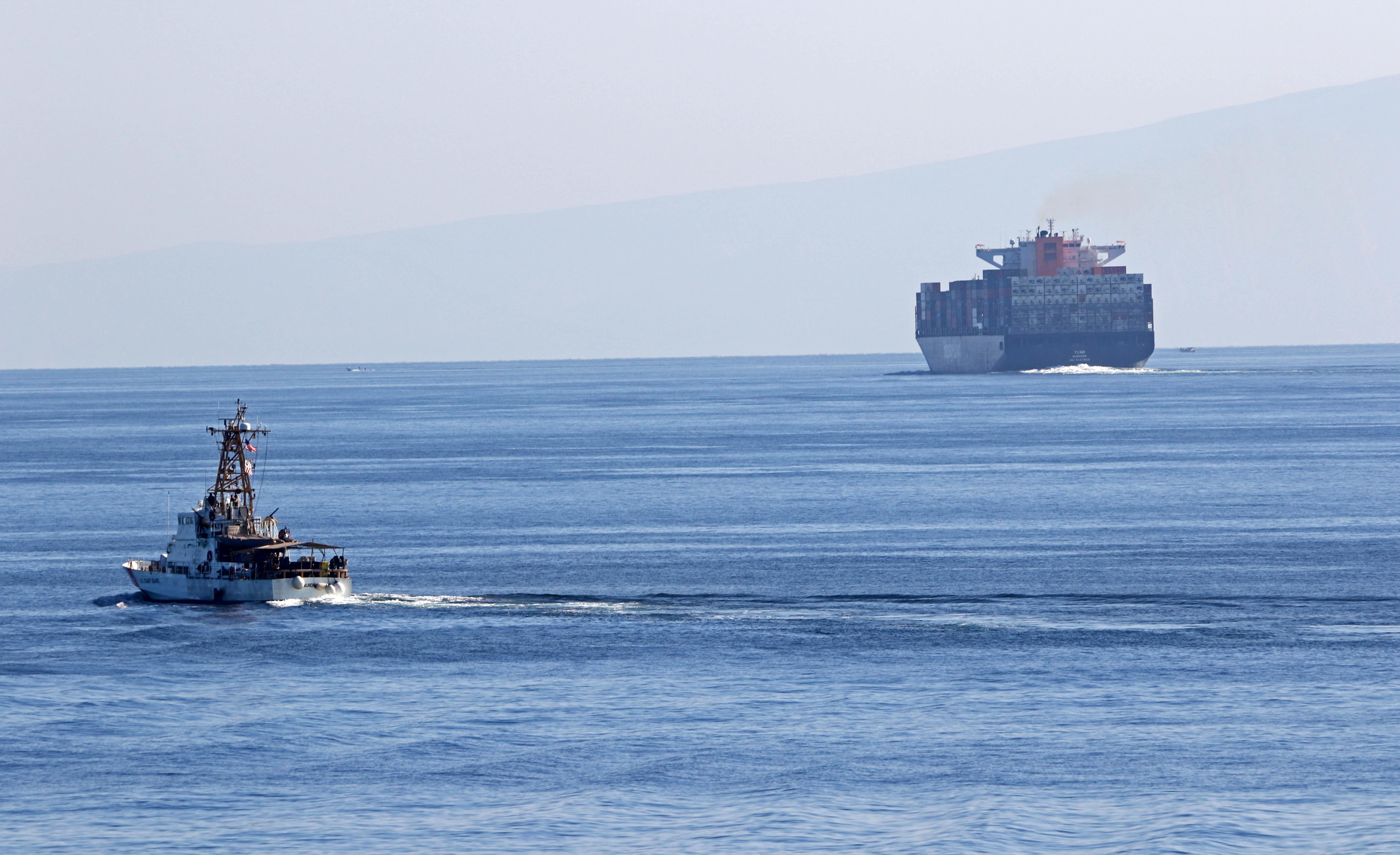
The situation in the Strait of Hormuz has a huge impact on Norwegian tourism.Photo: MC2 Indra Beaufort, Public domain, via Wikimedia Commons
Fewer Overnight Stays. Oslo Remains an Exception
The Norwegian Hospitality Association (NHO Reiseliv) reports a decrease in the number of overnight stays in almost the entire country. The comparison is to the record year of 2025, when Norwegian tourism achieved better results. The only exception is Oslo. According to NHO Reiseliv, the increase in the capital may be related to festivals and the football world championships.
The change is also visible in Norwegians' travel choices. The Norwegian Federation of Enterprises (Virke) reports that fewer people are now choosing Thailand and the Indian Ocean region, as many connections go through airports in the Middle East. Tourist traffic is now more focused on Western Europe. For travelers, safety and the ability to predict the course of their journey have become key.
The change is also visible in Norwegians' travel choices. The Norwegian Federation of Enterprises (Virke) reports that fewer people are now choosing Thailand and the Indian Ocean region, as many connections go through airports in the Middle East. Tourist traffic is now more focused on Western Europe. For travelers, safety and the ability to predict the course of their journey have become key.
In Oldedalen, the situation improved in July, so the entire year 2026 may end with good results. The industry is also counting on August, which is the main holiday month in many key foreign markets for Norway. The growing number of last-minute bookings may also play a role.
How do you rate this article?