Returning from Poland to Norway? The krone, electricity, prices, and weather – this is what the beginning of August looks like
The suitcase is still unpacked, and BankID already reminds you that the holiday is over. After returning from Poland to Norway, there are a few good news, a few less pleasant ones, and one old truth: a lot depends on which part of the country you live in. Especially when the electricity bill arrives.
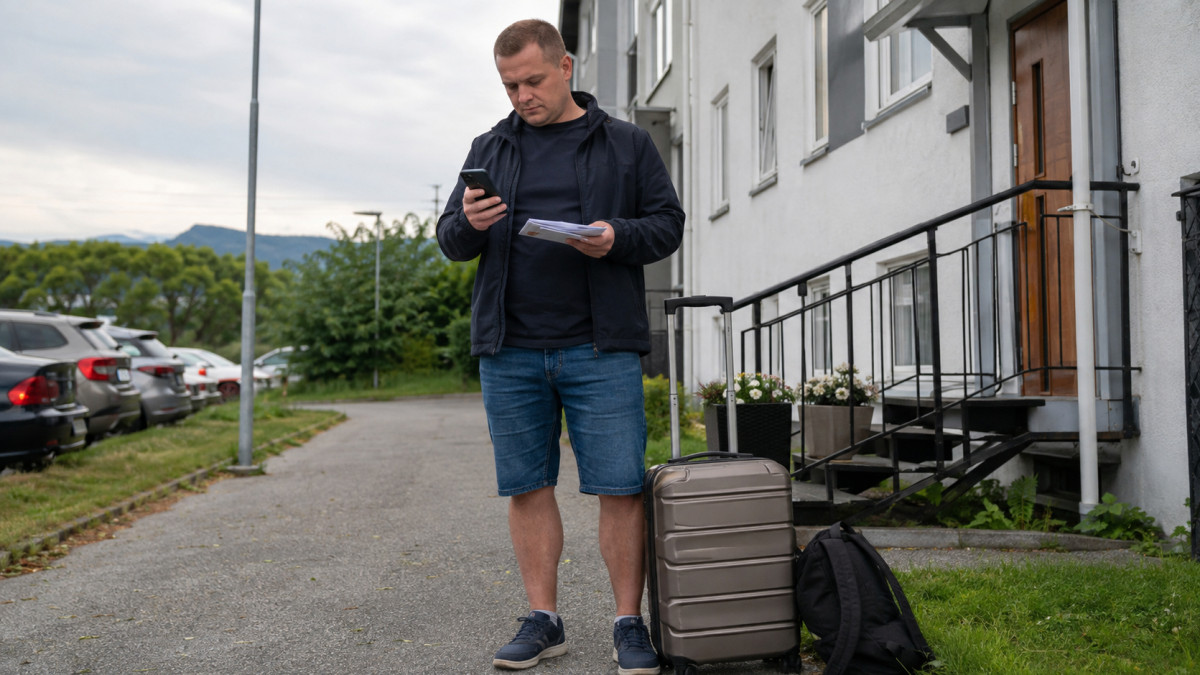
Are you coming back from vacation in Poland to Norway? Before you unpack your suitcase, check what awaits your wallet.
fot.Ai Wracasz do Norwegii? Kurs korony, prąd, ceny i pogoda
In brief
- The beginning of August means returning to work and daily duties.
- The Norwegian krone exchange rate is about 0.392 PLN.
- Inflation in Norway is 2.7%.
- The Norges Bank interest rate is 4.25%.
- Electricity prices vary by region.
- The job market is stable but cooler.
- Weather forecasts indicate warmer temperatures.
For many Poles, the beginning of August means returning to work, kindergarten, school, and the usual routine: job, shopping, Vipps, bills. We have gathered the most important data so you can quickly check after your holiday what is happening with the krone, prices, loans, energy, the job market, and the weather.
Krone: one thousand NOK is about 392 PLN
According to the reference rate from August 4, one Norwegian krone was worth about 0.392 PLN. This means that:
- 1,000 NOK is about 392 PLN,
- for 1 euro you had to pay about 10.99 NOK.
In practice: for larger transfers, don't just look at the advertised rate. Check how many PLN will actually reach the account after all fees.
Prices: inflation has slowed, but not everything is getting cheaper at the same rate
The latest full data show that prices in Norway were 2.7% higher in June than a year earlier. This is a calmer result than during the period of the highest price increases, but it does not mean that bills have returned to previous levels.
The most everyday categories looked as follows:
- food and non-alcoholic beverages: up 2.3%,
- housing, water, electricity, and heating: up 3.4%,
- restaurants and accommodation: up 6%,
- insurance and financial services: up 8.9%,
- transport: up 1.7%
In practice: inflation is slowing, but prices do not automatically go back. They just rise more slowly.
Loans: vacation is over, but high installments remain
The Norges Bank interest rate is 4.25%. The next central bank decision is scheduled for August 13.
For those repaying a mortgage, car loan, or consumer loan, this means that money is still expensive. If you have several obligations, the high total interest can eat up a large part of your monthly salary – even if each individual installment still seems 'manageable.'
When refinancing, you should not only look at the lower monthly installment. A longer repayment period may improve liquidity here and now, but increase the total amount to be repaid.
Do you have several loans or cards? Check your obligations and refinancing options at GjeldsMonitor.no. Compare interest rates, fees, and total cost, not just the installment amount.
Electricity: back to two different Norways
The biggest difference in the country’s financial picture concerns energy prices. The average spot price on August 4 was:
| Zone | Region | Spot price |
|---|---|---|
| NO4 | Tromsø and the north | 0.07 NOK/kWh |
| NO3 | Trondheim and central | 0.89 NOK/kWh |
| NO5 | Bergen and the west | 1.22 NOK/kWh |
| NO1 | Oslo and the east | 1.26 NOK/kWh |
| NO2 | Kristiansand and the south | 1.31 NOK/kWh |
With a daily consumption of 30 kWh, the energy alone would cost about 2.10 NOK in zone NO4 and about 39.30 NOK in NO2. This is still not the full bill — you also have to add network fees and taxes.
In practice: after returning, check not only the price on the invoice, but also the type of contract, price zone, and peak usage hours. In Norway, your postal code can have a bigger impact on your electricity cost than the number of devices in your home.
Jobs: no collapse, but the market is cooler
The unemployment rate measured by SSB was 4.7% in June and has remained at this level for several months. At the same time, since the beginning of the year, about 20,000 people have found jobs.
This does not look like a crisis on the labor market, but candidates in every industry can no longer count on quick employment without much effort. Before returning, it is worth updating your CV, checking current rates, and not leaving contact with your employer until the last day of your holiday.
In practice: do you have a new contract, different salary, or have you changed the number of employers? Check your tax card to avoid too low deductions and a surcharge after settlement.
Politics: the most important topic is still in your wallet
Norway is still governed by the Labour Party with Prime Minister Jonas Gahr Støre. In everyday politics, the cost of living, energy, taxes, employment, and security are very present.
The budget for 2026 includes, among other things, income tax relief and measures to limit energy costs. For an average household, however, this does not mean that expensive loans or regional differences in electricity prices will suddenly disappear.
In practice: a single political declaration matters less than whether you check your own electricity contract, skattekort, loan interest rate, and the benefits you are entitled to.
Weather: still summer, but don’t put your jacket at the bottom of the closet
The seasonal forecast for August, September, and October indicates that temperatures across Norway are likely to be above normal.
At the same time, the south of the country has a higher chance of dry periods, and the north – of a wetter season. This means the classic Norwegian return set: sunglasses, a light rain jacket, and checking the forecast before going out, not the day before.
In the south and east, you should also be careful with open fires outdoors. Dry vegetation can catch fire quickly, so before grilling, making a campfire, or going on a trip, check local warnings.
Five things to do after returning
- Check the exchange rate and final amount before transferring money to Poland.
- See which electricity price zone you live in and what contract you have.
- Compare the interest rates of all loans and cards.
- Update your skattekort if your job or income has changed.
- Check the weather, warnings, and road conditions before further travel.
Norway after the holidays: no panic, but keep your calculator handy
Returning does not mean a financial disaster. Inflation has clearly slowed, the krone is worth about 39 groszy, and the job market is still working. The more difficult issues remain high loan interest rates and very uneven electricity prices.
The simplest plan for your first evening back? Unpack your suitcase, log in to BankID, and spend a few minutes reviewing your bills. In Norway, a few checked numbers often bring more peace of mind than hours of reading headlines.
Data as of: August 4–5, 2026. Exchange rates, energy prices, and weather forecasts change constantly.
Sources: Norges Bank, Statistics Norway, Meteorological Institute, Skatteetaten, NVE, and MojaNorwegia editorial energy price monitoring.
How do you rate this article?