Real Estate Complaints in Norway: When Your Dream Home Turns into a Financial Trap
Buying a house or apartment in Norway is undoubtedly one of the biggest and most exciting decisions in anyone's life. The bidding process, the thrill of outbidding others, and finally signing the deed of ownership – that's the moment when we feel we've achieved stability in the Land of the Fjords.
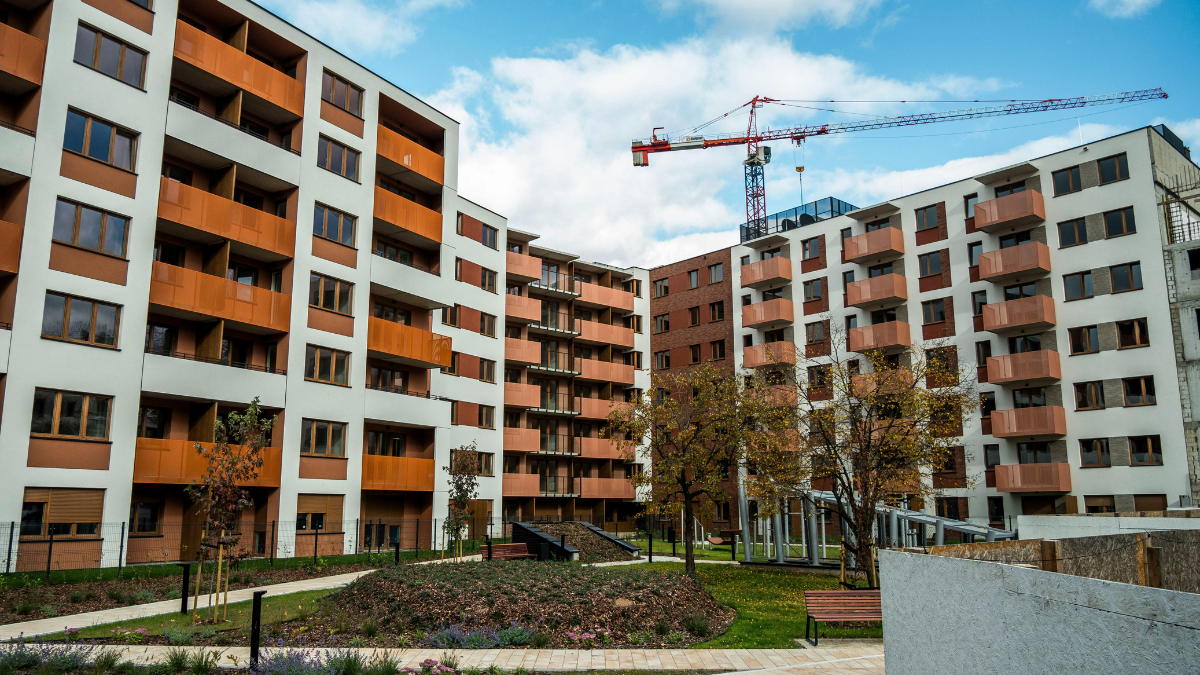
Real estate complaint in Norway
Adobe Stock
Unfortunately, this major investment also comes with risks. The joy can be brutally interrupted when, after a few weeks, it turns out that your dream home has serious hidden defects. What should you do when the idyll turns into a nightmare of endless renovations, and how can you effectively assert your rights? In Norway, real estate complaints are governed by their own, quite strict but precise rules that you need to know.
Legal Foundation: What Does 'As Is' Sale Mean?
The basis of the Norwegian real estate market is the principle of selling 'as is' (som den er), which is set out in the Alienation Act (Avhendingslova). This means that the buyer acknowledges and accepts the current technical condition of the property.
The key document underpinning this principle is the surveyor's report (rapport fra takstmann) or condition report (tilstandsrapport). This document provides a detailed description of the building's technical condition, defects, faults, and recommendations.
This leads to the first and most important rule: you cannot complain about an obvious defect. If the surveyor's report (or the sales listing) states that the roof is 25 years old and needs replacing, or there are visible signs of damp in the basement – by purchasing the property, you are knowingly accepting this condition. You can only complain about hidden defects (skjulte mangler) that were not disclosed in the documentation and that you, as the buyer, could not have discovered during a normal inspection.
When Does a Defect Become a Legal Defect? The Magic 5-6% Threshold
Not every technical problem qualifies as grounds for legal claims. Norwegian law sets the bar quite high. A complaint makes sense only if the discovered defect is serious enough to constitute a significant breach of contract. In court rulings and legal practice, an unwritten but crucial rule has developed: the defect must be so significant that the cost of remedying it represents a substantial percentage of the purchase price.
Lawyers and courts in Norway often use a threshold of 5 to 6 percent of the transaction value. So, if you bought an apartment for NOK 5,000,000 and pipe repairs cost NOK 100,000 (2%), your claim will likely be dismissed, as this falls within the normal risk of buying a used property (alminnelig risiko). However, if you discover serious structural damage or hidden mold that costs NOK 300,000 (6%) to remove, your legal position becomes much stronger. Without reaching this financial threshold, fighting for compensation is extremely difficult.
Other, rarer but strong grounds for claims include:
- Providing incorrect information: the seller (or their agent) gave false or misleading information (e.g., the apartment's area is smaller than stated).
- Concealing important information: the seller deliberately withheld information about a serious defect (e.g., recurring sewage problems in the basement).
Practical Steps: The Complaint Procedure
If you discover a serious defect, you must act immediately and formally. Chaos and delay are your biggest enemies in disputes.
- Documentation is king: As soon as you discover the defect, make thorough photographic and video documentation. You should also consult your own surveyor as soon as possible, who will assess the cause, extent, and most importantly, the cost of repairs.
- Notifying the defect (reklamasjon): The complaint must be submitted in writing (by email or registered letter) and must be precise.
- Deadlines are strict: you must do this within a "reasonable time" (innen rimelig tid) from discovering the defect (usually 2-3 months). The absolute maximum deadline for reporting any defect is 5 years from the date of taking possession of the property.
- Content of the claim: In your letter, you must clearly describe the defect and specify what you are demanding: a price reduction (prisavslag), reimbursement of repair costs, or cancellation of the purchase (heving).
- Correct recipient: In 99% of cases, the recipient is not the seller themselves, but their insurance company. Sellers in Norway almost always purchase change-of-ownership insurance (Eierskifteforsikring), which takes on responsibility for defects and disputes. Your fight is therefore with a professional insurer.
Rettshjelpsforsikring: Your Legal Guardian Angel
In such costly and complex disputes, it's not worth risking going it alone. Fortunately, in Norway, there is a mechanism that significantly reduces legal costs.
- Almost every standard insurance policy for your own home (boligforsikring) or property (innboforsikring) includes a legal protection insurance clause (rettshjelpsforsikring).
- This clause covers most (often up to 80%) of legal service costs, including lawyer's fees and technical expert expenses, after paying your own contribution (egenandel).
- Always check this! Before contacting a lawyer, call your insurance company and ask: "Do I have active rettshjelpsforsikring for a real estate dispute?" This is a huge financial support that allows you to take professional action without overburdening your budget.
Summary
Remember these key rules before taking any action:
- You can only complain about serious, hidden defects that are not mentioned in the surveyor's report.
- The defect must be financially significant – aim for claims where repair costs exceed 5-6% of the purchase price.
- Submit your complaint in writing within a maximum of 5 years from taking possession of the property, but do not wait longer than 2-3 months after discovering the problem.
- Always check if your policy includes rettshjelpsforsikring. It's your ally in the fight for compensation.
Only by acting in accordance with the specific provisions of the Avhendingslova, following formal procedures, and relying on professional expertise do you have a real chance of recovering your money and peace of mind. It's not worth saving on legal help when it comes to such a large investment.
This article was created in cooperation with Advokatfirma Nierzwicki & Bluszko Law Office, which specializes in legal services for Poles in Norway, including real estate complaints and the use of legal protection insurance (rettshjelpsforsikring). This material is for informational purposes only and does not constitute binding legal advice in individual cases.

Advokatfirma Nierzwicki & Bluszko Law OfficeAdvokatfirma Nierzwicki & Bluszko Law Office
How do you rate this article?