Norway Summarizes 150 Years of Trade. Poland Among Main Partners
The report "Norwegian Trade Partnerships" shows how the structure of Norway's foreign trade has changed over more than 150 years. Data covering the years 1866–2023 indicate a gradual shift away from focusing on just a few European countries. The development of the oil and gas sector proved to be a turning point.
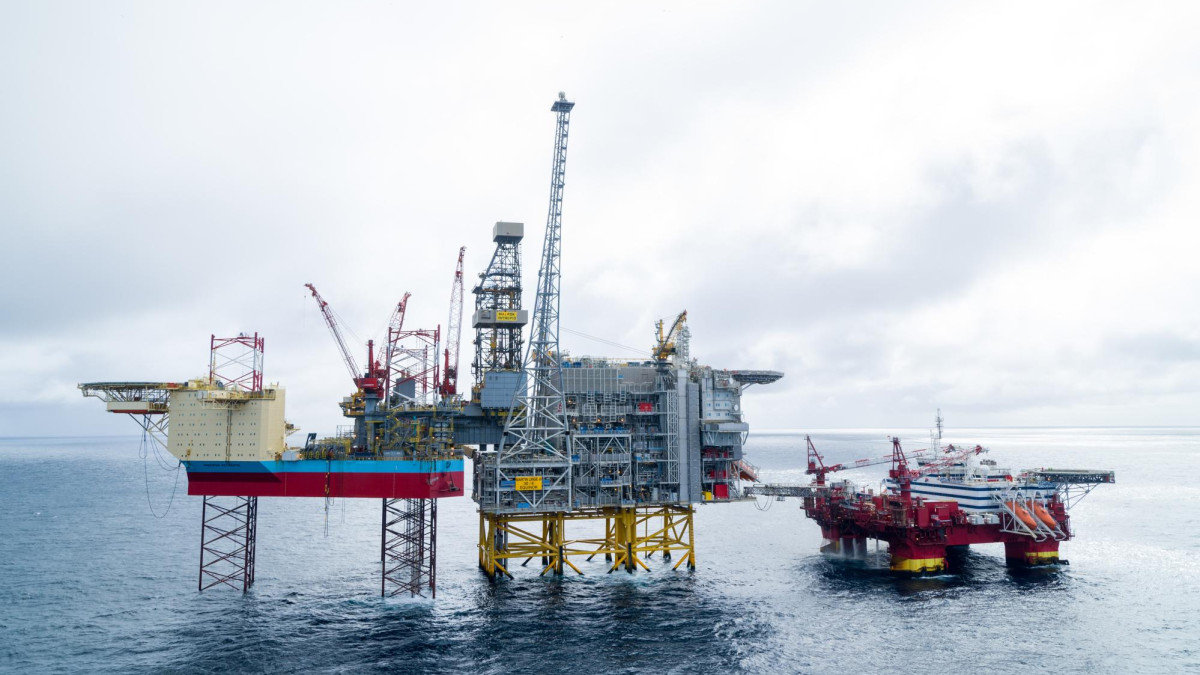
The energy sector and seafood are of key importance to modern Norway.
Fot. Jan Arne Wold, Øyvind Gravås/materiały prasowe Equinor
A report by Statistics Norway (SSB) shows that Norway's foreign trade from 1866 to 2023 underwent a profound structural transformation. Initially, trade was dominated by a few European countries, mainly the United Kingdom and Germany. Since the 1970s, oil and gas have played a key role, permanently changing the trade balance. Since 1980, with brief interruptions in the 1980s, Norway has maintained a surplus in goods trade, driven by the export of energy resources.
European Union or China and the USA?
Europe remains the main destination for Norwegian trade, although its share is gradually decreasing. In 1995, after Sweden, Finland, and Austria joined the European Union, about 75 percent of Norway's goods trade was with EU countries. In 2023, the share fell to 63.6 percent, partly due to the United Kingdom leaving the EU. Despite greater geographic diversification, trade with Europe still dominates, especially with Germany, Sweden, and the Netherlands.
Since the mid-1990s, China has become an increasingly important trade partner for Norway. The country's share of imports has increased several times over the past three decades, reflecting global shifts in trade. The United States remains an important partner, especially after both world wars, but its share of total trade remains at around 10 percent. Norway's trade is becoming increasingly global, although it is still concentrated on a limited number of countries.
Since the mid-1990s, China has become an increasingly important trade partner for Norway. The country's share of imports has increased several times over the past three decades, reflecting global shifts in trade. The United States remains an important partner, especially after both world wars, but its share of total trade remains at around 10 percent. Norway's trade is becoming increasingly global, although it is still concentrated on a limited number of countries.
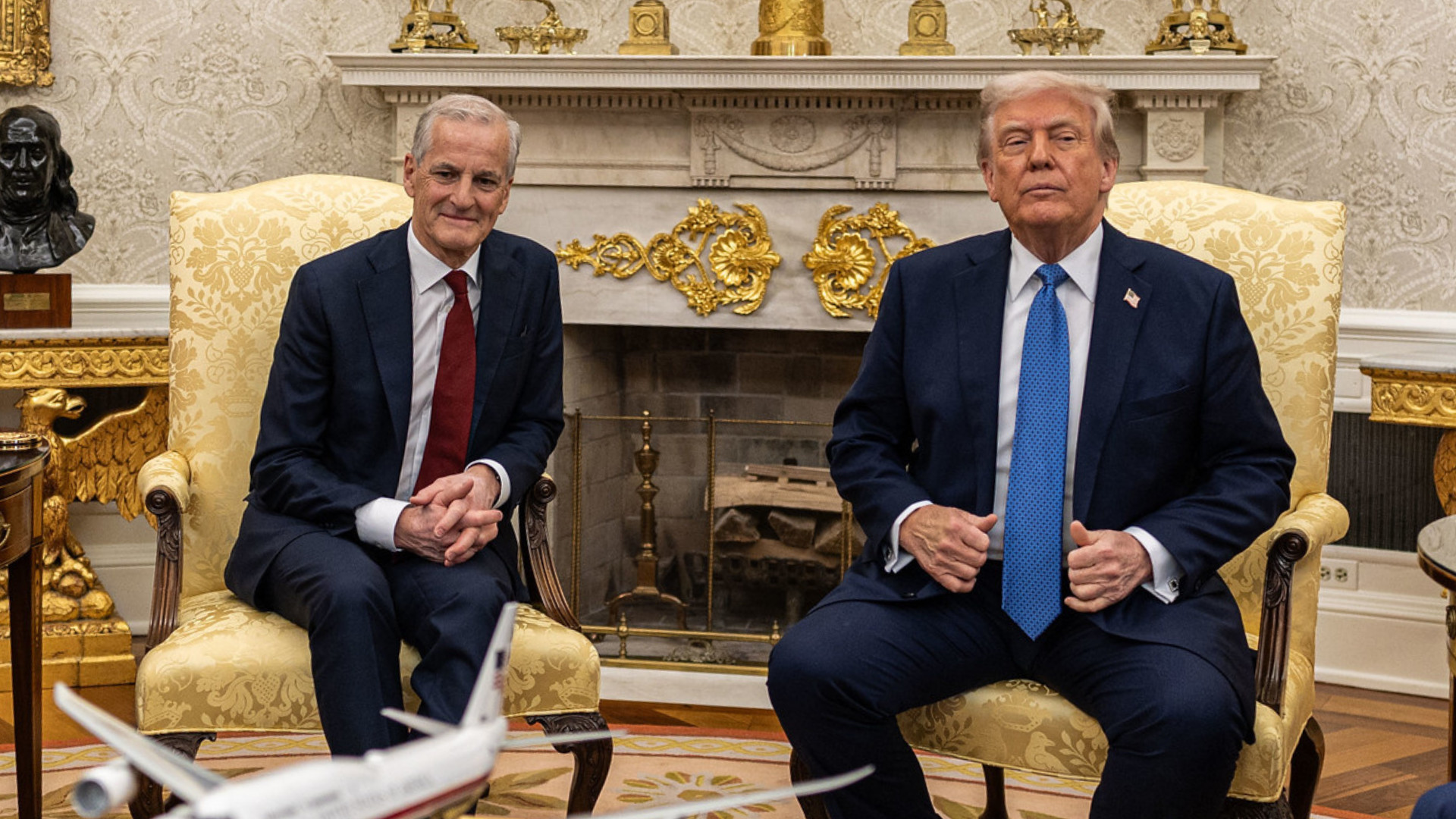
In the post-war period, the USA was one of Norway's main partners. Over time, its relative importance decreased as trade with Europe grew and Norway's oil and gas sector developed.Photo: Daniel Sannum Lauten/Pool/TV2/Statsministerens kontor (Flickr.com, CC BY-NC 2.0)
Poland Among Norway's Main Partners
In 2023, Poland ranked among Norway's ten largest trading partners. Its share of total goods trade was 5.2 percent, placing it ahead of Denmark and France. Previously, for many years, Poland did not appear in the rankings of key partners, highlighting the scale of changes in Norway's trade structure.
The report's data indicate that Poland's importance increased with the enlargement of the European Union and the deepening of economic ties in Central and Eastern Europe. Exports to Poland include fish and energy resources, while Norway imports industrial machinery, steel structures, and furniture.
The report's data indicate that Poland's importance increased with the enlargement of the European Union and the deepening of economic ties in Central and Eastern Europe. Exports to Poland include fish and energy resources, while Norway imports industrial machinery, steel structures, and furniture.
TOP 10 most important trading partners of Norway in 2023 (share in total goods trade value):
1. Germany – 16.0%
2. United Kingdom – 13.8%
3. Sweden – 8.7%
4. Netherlands – 7.1%
5. China – 5.4%
6. Poland – 5.2%
7. Denmark – 4.8%
8. France – 4.8%
9. United States – 4.7%
10. Belgium – 4.3%
In 2023, Norway's trade was more geographically diversified than in the 19th and 20th centuries, although Europe still plays a dominant role. At the same time, countries that previously had no significance in Norwegian trade statistics, including Poland, have joined the ranks of the most important partners.
How do you rate this article?