Low Water and Expensive Gas in Europe. Norway Braces for a Difficult Winter
Norway entered the second half of 2026 with exceptionally low water levels in its hydroelectric reservoirs. The situation is particularly difficult in the south and west of the country, where reservoir levels are the lowest for this time of year in many years. The Norwegian Water Resources and Energy Directorate (NVE) warns that energy prices may be high in the autumn and winter.
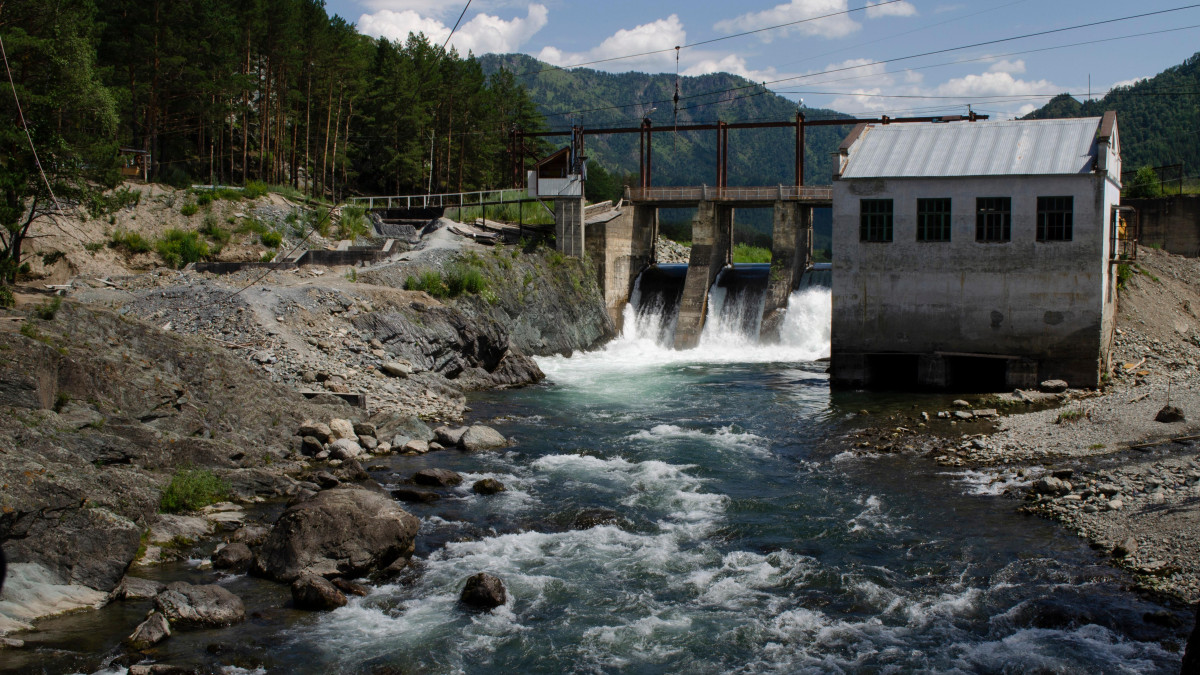
The Norwegian energy mix is based on a hydroelectric power system.
Fot. Adobe Stock, licencja standardowa
In the first days of August, water levels in Norwegian reservoirs increased slightly. However, NVE reports that in almost all parts of the country, reservoir levels remain low for this time of year, with the exception of northern Norway. At the same time, uncertainty in the European energy market complicates the situation. Low river levels in Europe are limiting the operation of some power plants, and gas reserves as well as the situation around the transport of raw materials through the Strait of Hormuz remain additional risk factors.
Reservoirs Remain Empty. The Situation Is Most Difficult in the Southwest
The average filling level of Norwegian reservoirs increased from 61.8% to 62.8% in August. However, the improvement is minor, as in several regions the level remains the lowest for this time of year in the past 20 years. This applies to areas NO2, NO3, and NO5. The situation looks somewhat better in eastern Norway. The north of the country, on the other hand, stands out with one of the highest filling levels in the last 20 years.
The largest hydroelectric reservoirs are located in the NO2 region. Their filling level is currently only 48%, while the median for the last 20 years for this time of year is almost 75%. NVE reminds, however, that even lower values have been recorded in the past. In the corresponding week of 1996, the level in NO2 dropped below 45%. The current situation, however, means that the authority is paying special attention to water management before winter.
The largest hydroelectric reservoirs are located in the NO2 region. Their filling level is currently only 48%, while the median for the last 20 years for this time of year is almost 75%. NVE reminds, however, that even lower values have been recorded in the past. In the corresponding week of 1996, the level in NO2 dropped below 45%. The current situation, however, means that the authority is paying special attention to water management before winter.
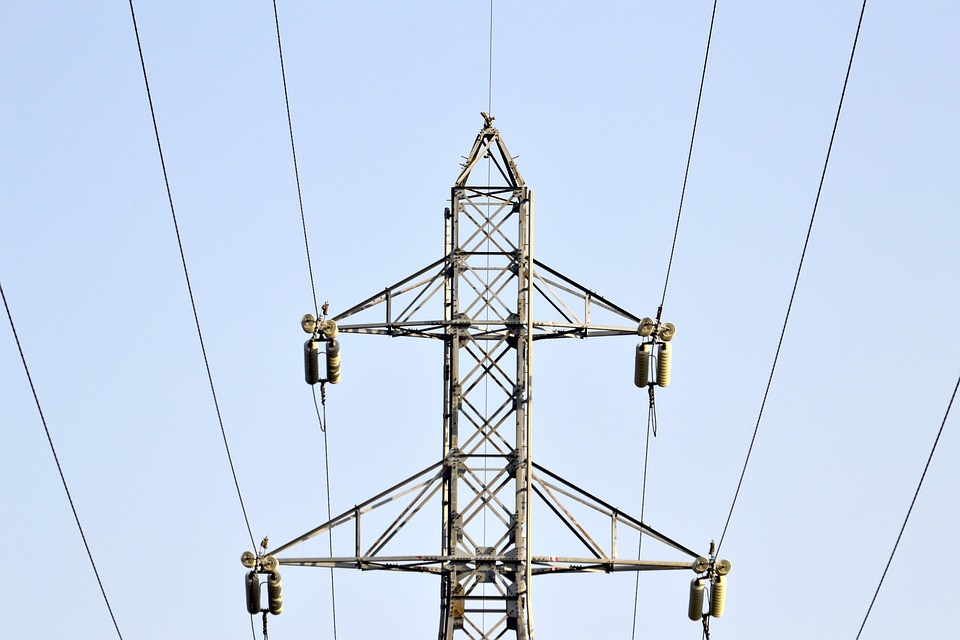
Although Norwegian electricity is cheap, its price is strongly dependent on weather conditions.Photo: Pixabay
NVE Appeals to Producers. Prices May Rise Sharply
NVE Director Kjetil Lund has called on energy companies to consider supply security when planning production. The Norwegian energy system is market-based, so companies decide when and how much energy to produce. However, NVE emphasizes that energy is a resource of critical importance to the state. The authority is therefore considering introducing a requirement for companies to regularly report production levels. A similar mechanism was implemented during the energy crisis in 2022.
Lund does not rule out that energy prices in the autumn and winter will be high, or even very high. NVE points to a combination of low water levels in the country and uncertainty in international markets. The European TTF gas price is about 55 euros per MWh, compared to 28 euros a year earlier. At the same time, Europe now has greater gas import capacity than during the 2022 crisis. Nevertheless, NVE believes that producers should take into account the risk of a dry autumn when using water stored in reservoirs.
Lund does not rule out that energy prices in the autumn and winter will be high, or even very high. NVE points to a combination of low water levels in the country and uncertainty in international markets. The European TTF gas price is about 55 euros per MWh, compared to 28 euros a year earlier. At the same time, Europe now has greater gas import capacity than during the 2022 crisis. Nevertheless, NVE believes that producers should take into account the risk of a dry autumn when using water stored in reservoirs.
Norwegian hydropower production had already dropped significantly earlier. In the second quarter of 2026, it amounted to 29.4 TWh, the lowest result for this period since 2019. Net energy exports during this time amounted to 1.5 TWh, and NVE assesses that the way reserves are used in the coming months will depend, among other things, on the amount of rainfall and further developments in the European energy market.
How do you rate this article?