How Will the War in the Middle East Affect the NOK Exchange Rate and Your Earnings?
The first quarter of 2026 was successful for the Norwegian krone, which gained against the dollar. NOK also dominates on EUR/NOK and NOK/PLN pairs. How long will the krone continue to flex its muscles on the forex market? Will the prolonged conflict in the Middle East harm the NOK? Or will Norges Bank want to weaken the krone?
Exchange crowns at favorable rates
Internetowy Kantor
A Few Words About the NOK
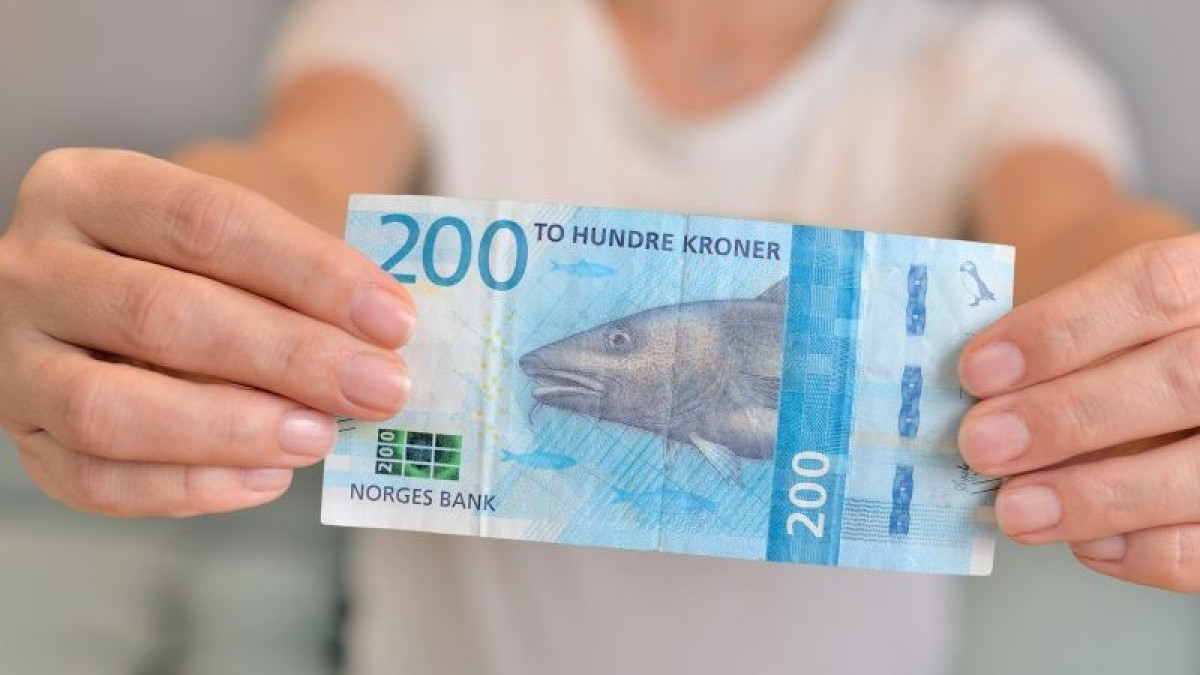
The Norwegian krone is a commodity currency. Its value depends, among other things, on the prices of exported natural resources. In Norway's case, oil and natural gas play a key role, forming the backbone of the economy and the main source of state revenue. When their prices rise, more capital flows into the country. This increases demand for NOK, leading to the currency's appreciation. In 2026, we are witnessing exactly this scenario.
Additionally, the krone is backed by Norges Bank, the issuer of the Norwegian currency. An anti-inflationary monetary policy combined with rising energy commodity prices are two strong foundations that have increased the NOK's attractiveness on the international stage in recent months.
Additionally, the krone is backed by Norges Bank, the issuer of the Norwegian currency. An anti-inflationary monetary policy combined with rising energy commodity prices are two strong foundations that have increased the NOK's attractiveness on the international stage in recent months.
Oil and Gas Prices and the NOK Exchange Rate in 2026
The recent rise in NOK value is not the result of a single, sudden event such as the outbreak of war in the Middle East. The krone's strength stems from a broader upward trend in the energy commodities market. Gas and oil prices began to climb as early as January.
At that time, the NOK/PLN rate hovered around 0.36 PLN. With increasing political tensions (such as the US military operation in Venezuela) and the negative effects of the escalating conflict in the Middle East, problems in the fuel market deepened. The destruction of extraction, transport, and storage infrastructure led to a supply shortage. With global demand remaining steady, the world experienced a surge in oil prices to levels not seen since 2022, when the conflict in Ukraine began. These increases made NOK a "natural beneficiary" of expensive energy. Forex investors know this, treating the krone as an indirect way to invest in the commodities market. As a result of increased demand, the NOK/PLN rate rose, reaching 0.39 PLN in the second half of April.
You can check the current Norwegian currency rate here: https://www.walutomat.pl/kursy-walut/nok-pln/.
For the EUR/NOK pair, the krone's appreciation has also been significant. At the beginning of the year, one euro was worth about 11.75 NOK. In the second half of April, the rate dropped below 10.90 NOK.
At that time, the NOK/PLN rate hovered around 0.36 PLN. With increasing political tensions (such as the US military operation in Venezuela) and the negative effects of the escalating conflict in the Middle East, problems in the fuel market deepened. The destruction of extraction, transport, and storage infrastructure led to a supply shortage. With global demand remaining steady, the world experienced a surge in oil prices to levels not seen since 2022, when the conflict in Ukraine began. These increases made NOK a "natural beneficiary" of expensive energy. Forex investors know this, treating the krone as an indirect way to invest in the commodities market. As a result of increased demand, the NOK/PLN rate rose, reaching 0.39 PLN in the second half of April.
You can check the current Norwegian currency rate here: https://www.walutomat.pl/kursy-walut/nok-pln/.
For the EUR/NOK pair, the krone's appreciation has also been significant. At the beginning of the year, one euro was worth about 11.75 NOK. In the second half of April, the rate dropped below 10.90 NOK.
The Role of Norges Bank in Strengthening the NOK
The krone's strength is not just about commodities. An important factor supporting the currency is the monetary policy pursued by Norges Bank. Over the past six months, the Bank of Norway has remained cautious about cutting interest rates, even though other developed economies have drastically reduced the cost of money.
For comparison, interest rates in Norway in the second half of April 2026 stand at 4%, while in neighboring Sweden they are only 1.75%. The reason for Norges Bank's restrictive monetary policy is persistent inflation, which is not falling as quickly as expected. Higher interest rates make NOK-denominated assets offer more attractive yields compared to other currencies, such as the Swedish krona or the euro. This attracts foreign capital seeking higher returns with relatively low risk.
As a result, the NOK receives additional support not only from the commodities market but also from the central bank's monetary policy, further enhancing the currency's investment appeal.
For comparison, interest rates in Norway in the second half of April 2026 stand at 4%, while in neighboring Sweden they are only 1.75%. The reason for Norges Bank's restrictive monetary policy is persistent inflation, which is not falling as quickly as expected. Higher interest rates make NOK-denominated assets offer more attractive yields compared to other currencies, such as the Swedish krona or the euro. This attracts foreign capital seeking higher returns with relatively low risk.
As a result, the NOK receives additional support not only from the commodities market but also from the central bank's monetary policy, further enhancing the currency's investment appeal.
What's Next for the NOK?
The ongoing armed conflict in the Middle East directly affects oil and gas prices. The longer geopolitical uncertainty persists, the greater the upward pressure on energy commodity prices. For Norway, this means the opportunity to sell its resources at higher prices, translating into increased export revenues and an improved trade balance. Thus, it can be said that a prolonged war indirectly strengthens the NOK by increasing Norway's importance as a stable energy supplier for Europe.
On the other hand, if the war ends, the Norwegian currency may give back some of the gains made in the first months of the year. A drop in the NOK/PLN rate would mean lower earnings in PLN for those paid in NOK.
Another risk factor is the management of commodity revenues. If, as in previous years, it turns out that part of the proceeds from sales will be exchanged for other currencies, then instead of supporting the NOK, there will be supply-side pressure.
Is there a chance of a similar move in the near future?
Unlikely, as at the end of March the bank announced that until February 2027, it will be selling part of its foreign currency reserves and buying NOK, which should support the Norwegian currency in the medium term. Why is Norges Bank interested in this? A strong krone mitigates imported inflation, which is also desirable for the institution whose goal is to keep price growth low.
On the other hand, if the war ends, the Norwegian currency may give back some of the gains made in the first months of the year. A drop in the NOK/PLN rate would mean lower earnings in PLN for those paid in NOK.
Another risk factor is the management of commodity revenues. If, as in previous years, it turns out that part of the proceeds from sales will be exchanged for other currencies, then instead of supporting the NOK, there will be supply-side pressure.
Is there a chance of a similar move in the near future?
Unlikely, as at the end of March the bank announced that until February 2027, it will be selling part of its foreign currency reserves and buying NOK, which should support the Norwegian currency in the medium term. Why is Norges Bank interested in this? A strong krone mitigates imported inflation, which is also desirable for the institution whose goal is to keep price growth low.
Want to save on currency exchange? Open a free account on the Walutomat.pl platform and get 50% off the commission on your first exchange.
WalutomatWalutomat
How do you rate this article?