
Campfires in Norway in autumn: What is allowed, and what can result in a penalty?
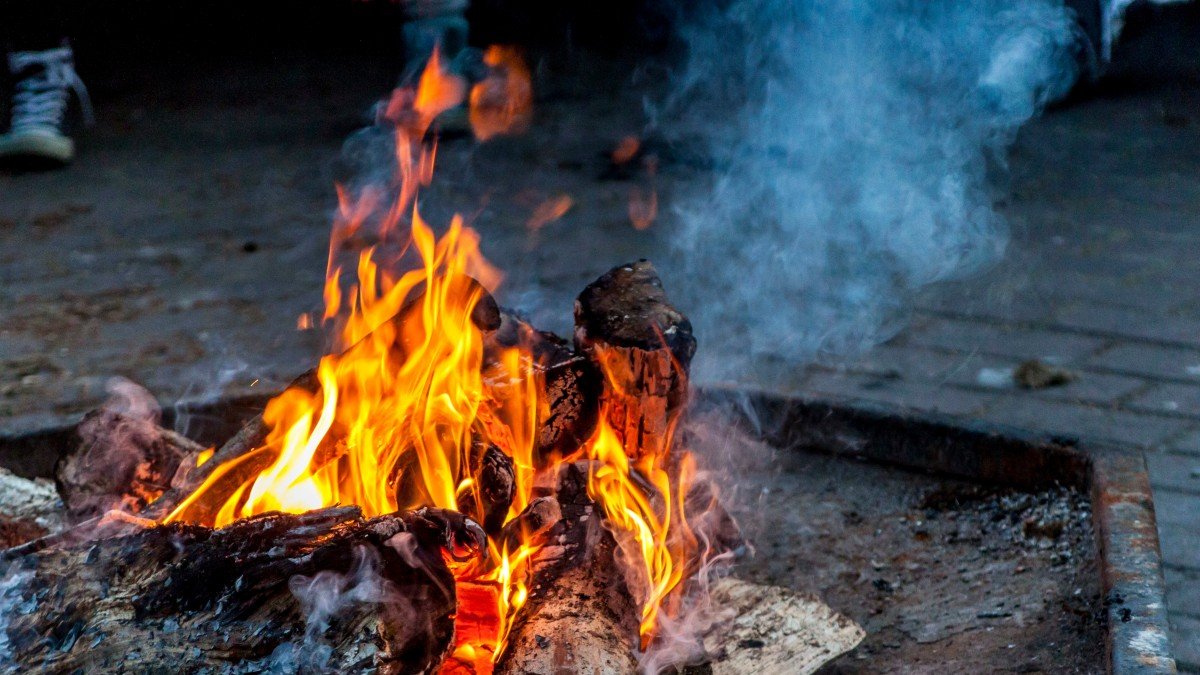
A campfire with burning wood in a prepared fire pit. Illustrative photo.
pxhere.com / CC0 Public Domain
In autumn, you can light a campfire in Norway if no local ban is in force and there is no fire risk. The general ban ended on 15 September, but violating the remaining rules can still result in a penalty.
A municipality may ban campfires even in autumn
A local ban on lighting fires, known as bålforbud, may apply at any time of year. A municipality has the right to introduce it when there is a particularly high fire risk or other extraordinary circumstances. It may cover the entire municipality or a selected area.
As explained by DSB, the Norwegian Directorate for Civil Protection, such a ban may be imposed for a maximum of 60 days and renewed if necessary. It must be lifted earlier if the reason for it no longer exists. The municipality or local fire service provides information on where it applies and whether it includes exemptions.
As explained by DSB, the Norwegian Directorate for Civil Protection, such a ban may be imposed for a maximum of 60 days and renewed if necessary. It must be lifted earlier if the reason for it no longer exists. The municipality or local fire service provides information on where it applies and whether it includes exemptions.
The absence of a ban does not remove responsibility
Throughout the year, fire must not be used in conditions where it may cause a fire. The person who lights a campfire is responsible for it. Regulations also prohibit leaving before the fire has been completely extinguished. This also applies to barbecuing in your own garden, even far from a forest. These obligations are described by DSB in its guidance on fire prevention regulations.
Burning plastic, construction waste or other rubbish is not allowed. It is also prohibited to light a fire directly on coastal rocks (svaberg) or exposed bedrock. As the municipality of Larvik points out, this causes permanent damage to the ground.
Burning plastic, construction waste or other rubbish is not allowed. It is also prohibited to light a fire directly on coastal rocks (svaberg) or exposed bedrock. As the municipality of Larvik points out, this causes permanent damage to the ground.
The general ban returns on 15 April
The seasonal ban applies from 15 April to 15 September in forests, other areas classified as utmark, and nearby areas. It includes, among other things, mountains, beaches and rocky coastlines, as well as the use of disposable barbecues and portable fire pits.
An exception applies to places and conditions where it is obvious that a fire cannot occur. DSB gives examples such as snow cover or heavy, prolonged rainfall. A brief shower alone is not enough to consider a campfire permitted. The municipality may also issue an individual permit, while the municipal council may allow exemptions in a local regulation.
An exception applies to places and conditions where it is obvious that a fire cannot occur. DSB gives examples such as snow cover or heavy, prolonged rainfall. A brief shower alone is not enough to consider a campfire permitted. The municipality may also issue an individual permit, while the municipal council may allow exemptions in a local regulation.
A permit and a notification are different formalities
Local rules also vary for Midsummer bonfires (sankthansbål). Fredrikstad requires a permit and states that applications take 14 days to process. Haugaland Fire and Rescue requires notification of the bonfire and prior consent from the landowner. Neither a permit nor a notification removes responsibility for the fire.
What can result in a penalty
According to DSB, violating a ban or handling fire carelessly may result in a fine, and regulations also provide for imprisonment.
If a campfire causes a fire, the person responsible may additionally be required to cover the damages.
If a campfire causes a fire, the person responsible may additionally be required to cover the damages.
How do you rate this article?