
Oslo Will Not Cope in a Crisis. 90 Percent of Residents Left to Their Own Devices
In the event of a widespread power outage in Oslo, most residents will have to fend for themselves. Emergency services warn that 90 percent of people will not receive assistance from them. A lack of electricity could lead to disruptions in water supplies, communication problems and the paralysis of public transport.
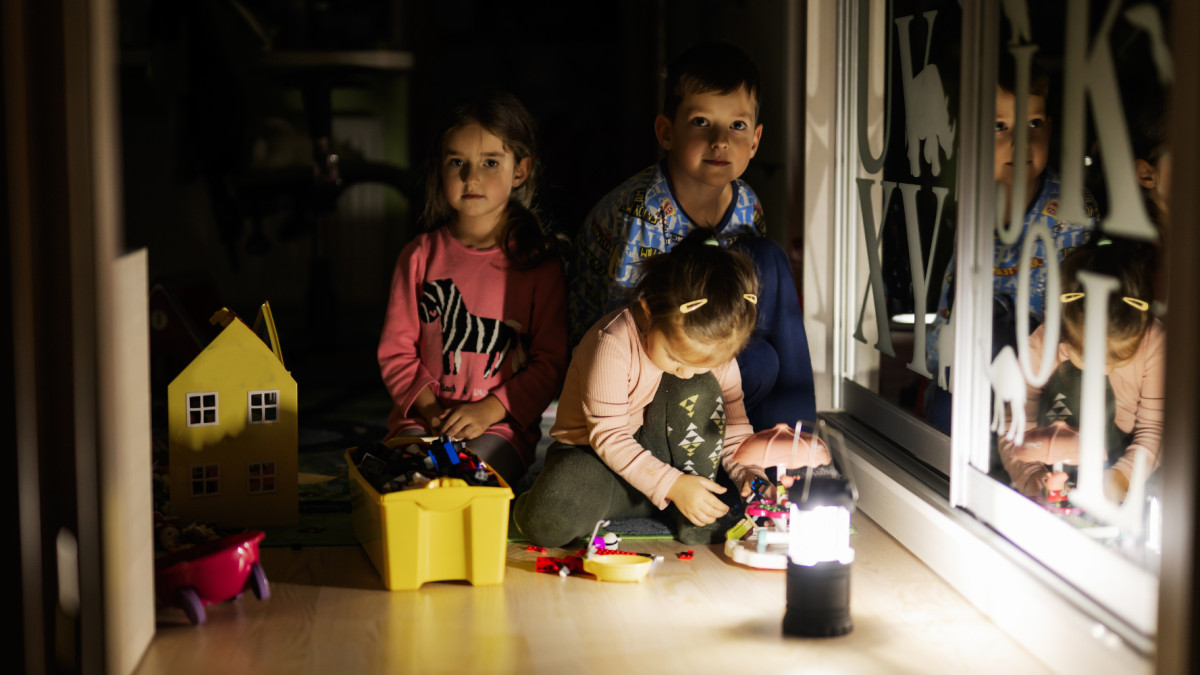
A blackout in Norway’s capital would cut most of society off from the security and communications system.
Fot. Canva (zdjęcie poglądowe)
Ann Kristin Brunborg, director of Oslo’s Emergency Preparedness Agency (Beredskapsetaten), spoke about the possible consequences of a major power failure. During a conference organised by Fornybar Utvikling, she presented a scenario involving a total loss of power in Norway’s capital. According to Europower, Brunborg pointed out the consequences that could arise just a few hours after the outage begins.
Water Will Run Out First. Then Communications Will Disappear
One of the first problems may be a lack of water. Brunborg explained that if the Oset water treatment plant stops operating, residents of areas inside the Ring 3 ring road will lose access to running water within a few hours. Outside this zone, the situation will also be difficult. According to the director, in the best-case scenario, residents will be warned that they need to boil water before drinking it.
The problems will not end there. In the scenario presented, the mobile phone network will also stop working after some time, and hospitals will have to operate under increased strain. Public transport will be suspended. This means that a widespread power outage could simultaneously disrupt several essential services in Norway’s capital.
The problems will not end there. In the scenario presented, the mobile phone network will also stop working after some time, and hospitals will have to operate under increased strain. Public transport will be suspended. This means that a widespread power outage could simultaneously disrupt several essential services in Norway’s capital.

Oslo is not prepared for a blackout.Photo: Fotolia.com
90 Percent of Residents Without Help. Emergency Services Set Priorities
Most residents will not receive direct support. Brunborg admitted that during such a crisis, Beredskapsetaten will not be able to help 90 percent of people. This is why preparing households for emergencies is particularly important. The director stressed that residents must be ready to cope with the consequences of an outage on their own.
Restoring power supplies will also require priorities to be set. Emilie Kjenstadbakk of Elvia, the power grid operator, explained that activities related to protecting life, health and the functioning of critical infrastructure will take precedence. Restarting the power supply will not, however, be as simple as flipping a switch. The time needed to restore electricity will depend, among other things, on where the damage that caused the outage occurred.
Restoring power supplies will also require priorities to be set. Emilie Kjenstadbakk of Elvia, the power grid operator, explained that activities related to protecting life, health and the functioning of critical infrastructure will take precedence. Restarting the power supply will not, however, be as simple as flipping a switch. The time needed to restore electricity will depend, among other things, on where the damage that caused the outage occurred.
Elvia will decide on the order in which power is restored jointly with local authorities and the state administration’s representative in the region. Kjenstadbakk noted that it will be necessary to reconcile society’s needs with actual technical capabilities. At the same time, Oslo authorities plan to make increasing residents’ resilience to crisis situations one of the priorities in the next financial planning period.
How do you rate this article?