Oslo will have eight boroughs instead of 15. New names already approved
Oslo city councillors have approved new borough names. From 1 January 2028, the Norwegian capital will have eight such units instead of the current 15. Some parties proposed different names, while two groups wanted to replace them with numbers.
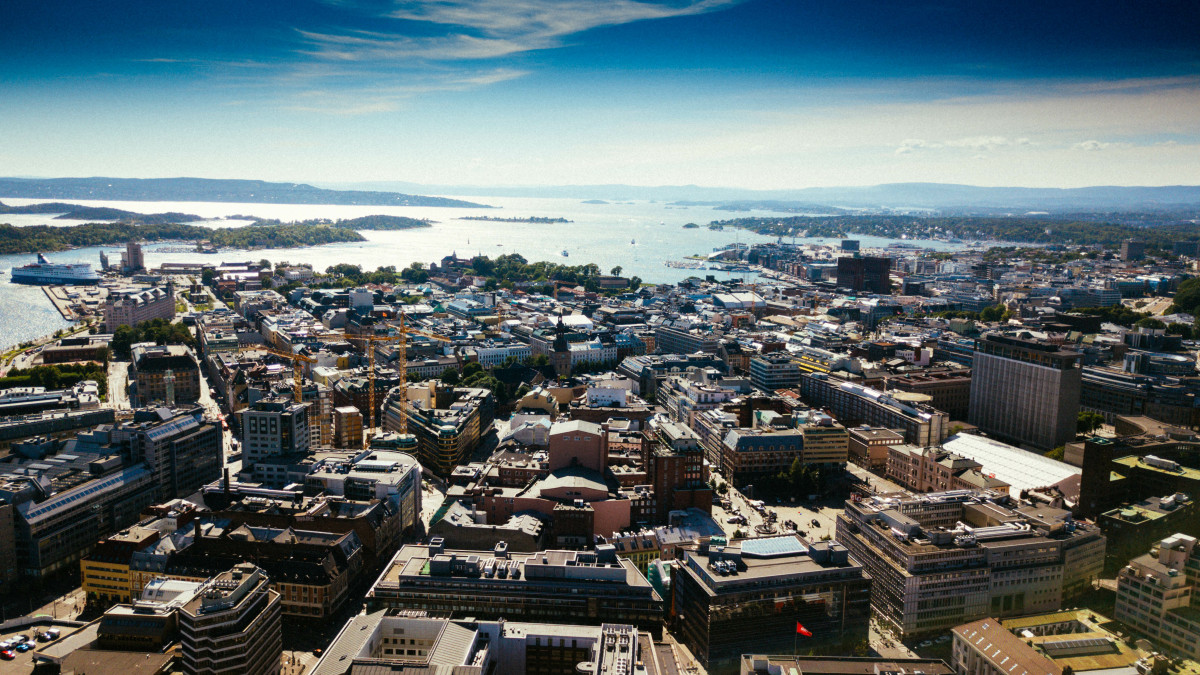
The new boroughs will be seen in Oslo from 2028.
Fot. Adobe Stock, licencja standardowa
The city executive's proposal was adopted. The new boroughs will be named: Vestre Aker, Gamle Aker, Gamle Oslo, Frysja, Hovin, Øvre Groruddalen, Østensjø and Nordstrand. As with the reform itself, the choice of names also sparked a dispute.
Historic names in the debate. Parties proposed changes
The Socialist Left Party (SV) put forward its own proposals. The party wanted the new borough of Østensjø to be called Søndre Aker. The second proposal concerned the borough of Nordstrand. In its case, SV advocated the name Ljabru.
The Progress Party (Frp) also referred to history. Instead of Frysja, it proposed Nordre Aker, and instead of Øvre Groruddalen – Østre Aker. Both names referred to the former municipality of Aker. Until 1948, it included a significant part of the areas that today make up Oslo’s outer boroughs.
The Progress Party (Frp) also referred to history. Instead of Frysja, it proposed Nordre Aker, and instead of Øvre Groruddalen – Østre Aker. Both names referred to the former municipality of Aker. Until 1948, it included a significant part of the areas that today make up Oslo’s outer boroughs.
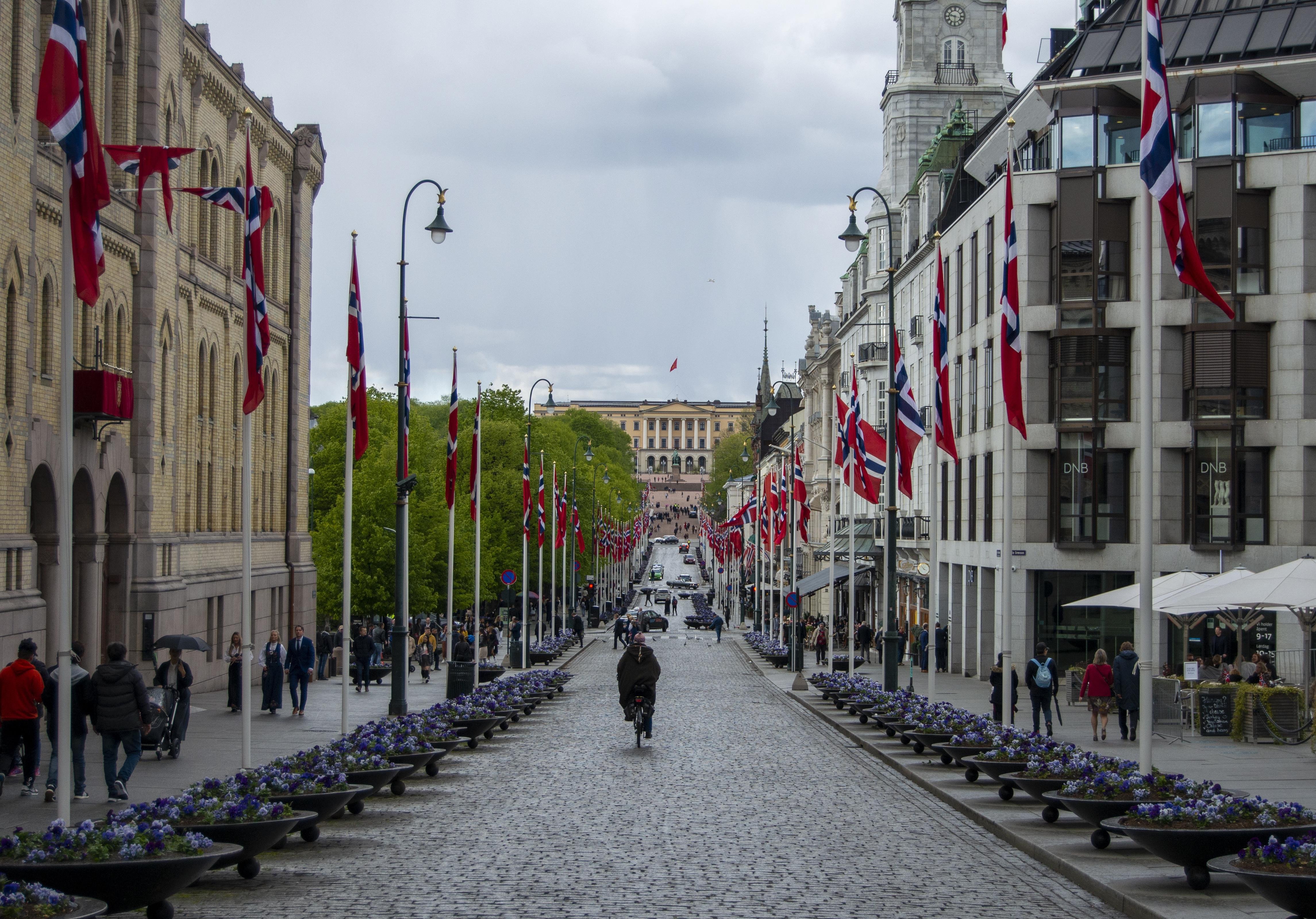
Many groups put forward their own proposals.Photo: stock.adobe.com/standard licence
Numbers instead of names. Two groups had a shared idea
The Green Party (MDG) and the Red Party (Rødt) proposed a different solution. They wanted the new boroughs to receive no names at all, only numbers. They would therefore be borough 1, borough 2, and so on. This option was not adopted.
The word “Grønnsaker” also came up in the debate. Eivind Trædal of MDG stated that such a name would be consistent with his party’s policy. In Norwegian, it means “vegetables”. Ultimately, however, Trædal supported numbering the boroughs.
The word “Grønnsaker” also came up in the debate. Eivind Trædal of MDG stated that such a name would be consistent with his party’s policy. In Norwegian, it means “vegetables”. Ultimately, however, Trædal supported numbering the boroughs.
Oluf Ulseth of the Conservative Party (H), Oslo’s city executive councillor for health, is responsible for the reform. He hopes the new names will unite residents. At the same time, he noted that most people probably identify most strongly with a specific place where they live, such as Røa or Vålerenga.
How do you rate this article?