Norway is running out of grid capacity. Government presents a package of new solutions
The Norwegian government announces an acceleration of energy production and power grid expansion. Prime Minister Jonas Gahr Støre and Minister of Energy Terje Aasland have presented a package of changes aimed at reducing bureaucracy and simplifying procedures. One of the key solutions will be a two-year deadline for handling grid-related cases.
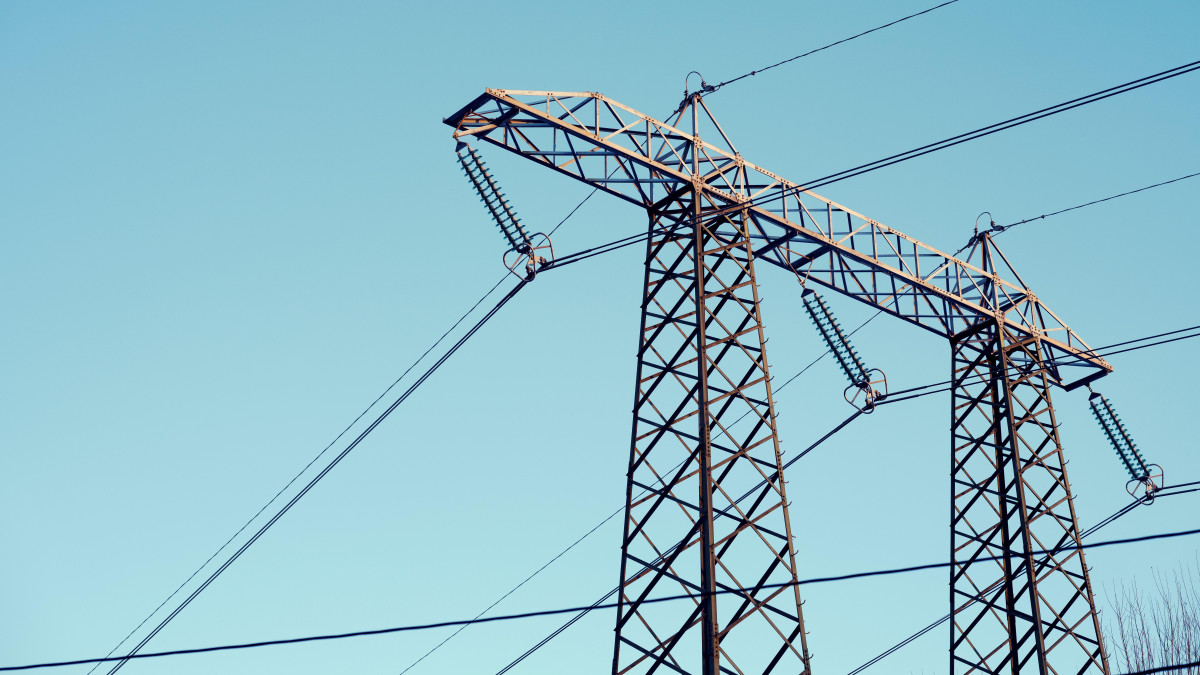
The Norwegian power grid is at the limit of its capacity.
Fot. materiały prasowe NVE
For several years, Norway has struggled with limited development of new energy sources. At the same time, demand for energy and the ability to connect new consumers to the grid are rapidly increasing. The government wants to cut the time needed to prepare and implement grid investments by as much as half. Støre emphasized that the pace of infrastructure development has not kept up with the growth in demand.
The grid will be built faster. Government shortens procedures
According to the power grid commission, building a new power line currently takes between 7 and 14 years. The government wants to limit the scope of required analyses if more extensive studies are not necessary. The procedures for filing objections to investments will also be changed. However, the right of the Sami Parliament (Sametinget) to raise objections will remain intact. Other state authorities will lose some of their current powers to block grid projects.
The Norwegian Water Resources and Energy Directorate (NVE) will have a maximum of two years to process grid concession applications. Both NVE and the state transmission system operator Statnett will also prioritize projects deemed most important for the energy system. The government also wants to simplify the modernization of voltage and operating temperature in existing grids. The changes may also cover less controversial investments in regional grids. The goal is to increase available capacity more quickly.
The Norwegian Water Resources and Energy Directorate (NVE) will have a maximum of two years to process grid concession applications. Both NVE and the state transmission system operator Statnett will also prioritize projects deemed most important for the energy system. The government also wants to simplify the modernization of voltage and operating temperature in existing grids. The changes may also cover less controversial investments in regional grids. The goal is to increase available capacity more quickly.
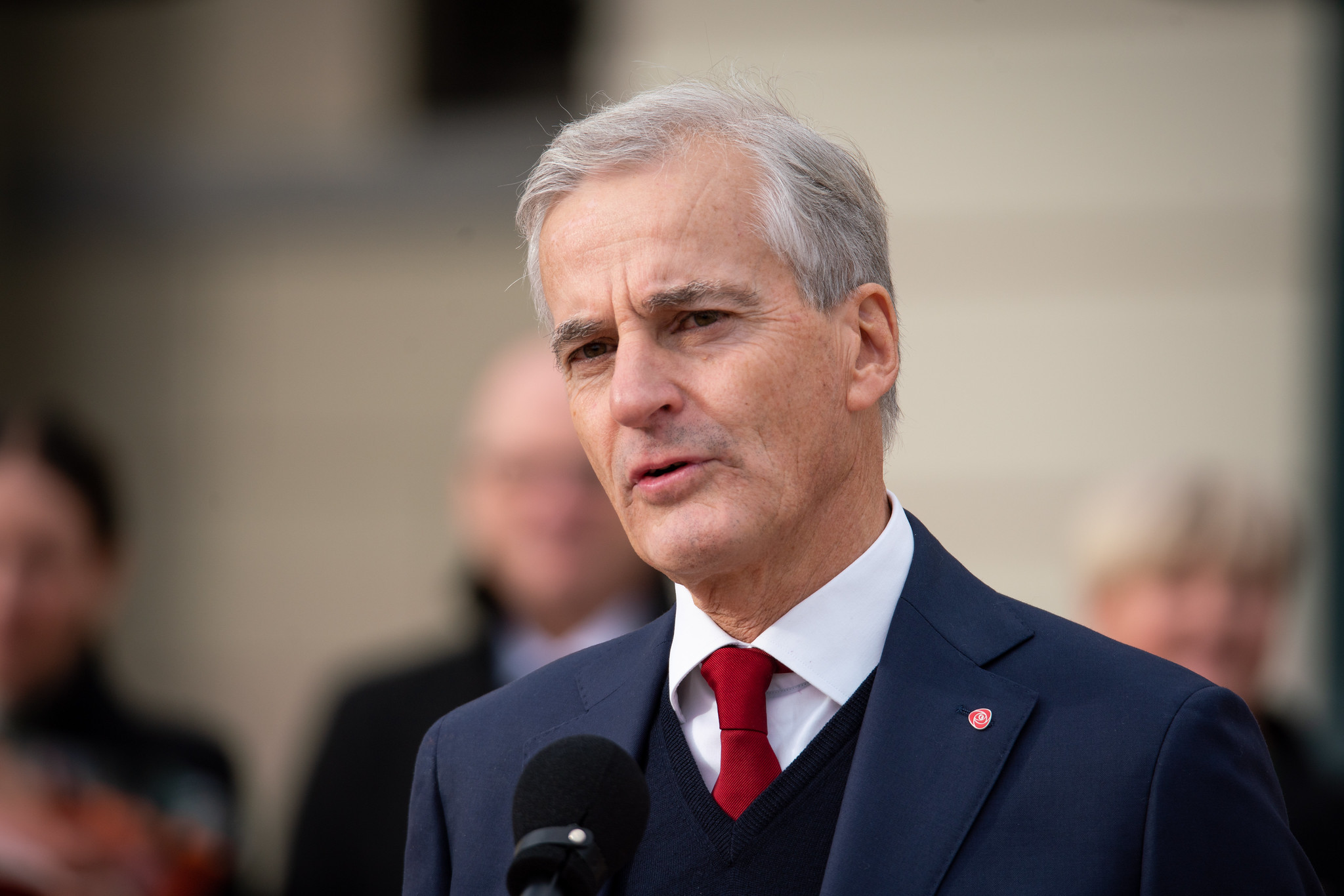
The changes were announced on Friday, August 7, by the Prime Minister.Photo: flickr.com/ Arbeiderpartiet/ https://creativecommons.org/licenses/by-nd/2.0/
New rules for wind turbines. Municipalities retain decision-making power
The changes will also apply to onshore wind energy. The government wants to remove the requirement to prepare a regulatory plan for such investments and move the procedure outside the Planning and Building Act. Municipalities will still be able to accept or reject a project. However, the decision will be made only once, before NVE grants a concession. The exact timing of municipal approval will be determined during the work on the new regulations.
The government also plans to transfer wind farm-related revenues to municipalities earlier. The state will pay out production fee revenues in advance from the start of construction, with details to be included in the 2027 state budget. Aasland indicated that wind energy could be developed faster than some other energy sources. According to the minister, it can also cooperate with the existing hydropower system. The government assures that the role of municipalities in making decisions about wind investments will not be limited.
The government also plans to transfer wind farm-related revenues to municipalities earlier. The state will pay out production fee revenues in advance from the start of construction, with details to be included in the 2027 state budget. Aasland indicated that wind energy could be developed faster than some other energy sources. According to the minister, it can also cooperate with the existing hydropower system. The government assures that the role of municipalities in making decisions about wind investments will not be limited.
Norway currently produces about 160 TWh of electricity annually, and NVE estimates a surplus of about 15 TWh in a normal year. At the same time, only in the next five years, reserved capacities could increase annual energy consumption by 40 TWh. Meanwhile, from 2021 to 2025, concessions were granted for new sources corresponding to just 0.86 TWh of production.
How do you rate this article?