Lower taxes and more expensive energy. How the 2027 budget will affect wallets
The Norwegian government has presented its draft state budget for 2027, which brings tax cuts but also higher energy costs. The authorities propose using NOK 608.4 billion in petroleum revenues, while projecting price growth of 2.7 percent next year. The changes will be directly felt in household finances.
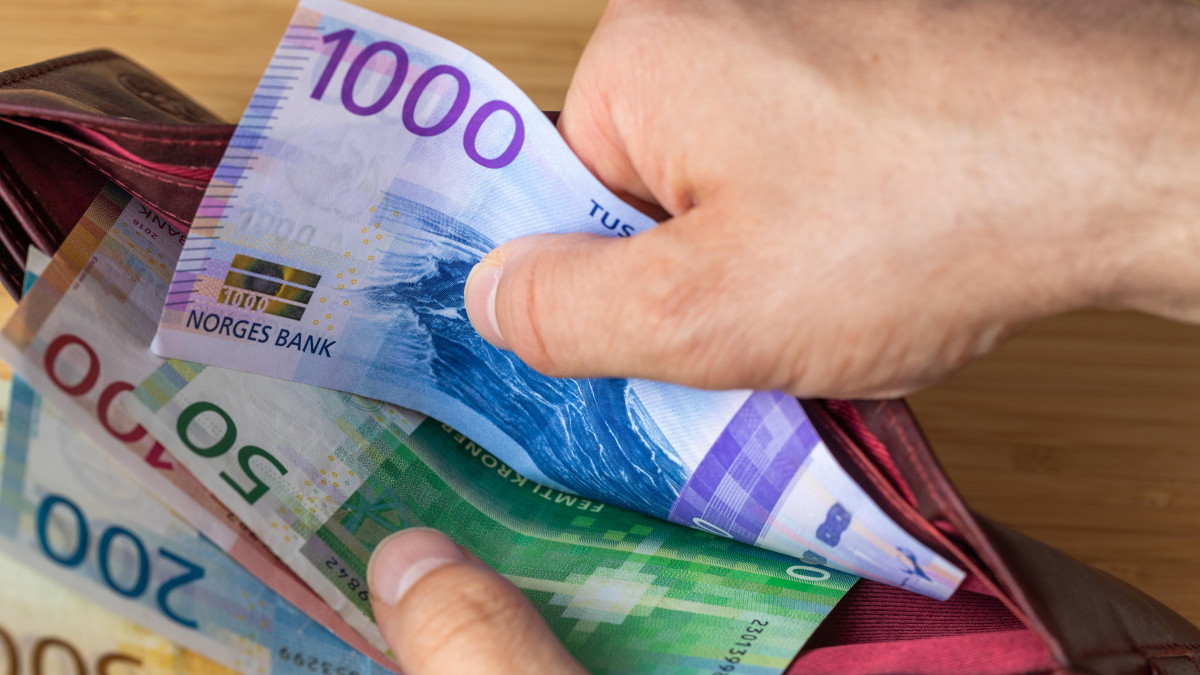
Norway’s 2027 budget. How much can be saved on taxes and how much extra will be paid for electricity.
Fot. Adobe Stock, licencja standardowa
The government is planning broad tax cuts. The total value of the proposed reductions is NOK 6.4 billion, and Finance Minister Jens Stoltenberg says that a person earning NOK 750,000 a year will pay around NOK 1,750 less in tax. At the same time, the state-set Norgespris electricity price will increase. The changes also cover fuel, savings, and excise duties on alcohol and tobacco products.
Taxes are set to fall. Most taxpayers are expected to benefit
The government proposes increasing the tax-free allowance from NOK 114,540 to NOK 120,180. This means that a larger share of income will not be taxed, directly reducing the amount owed. The social security contribution on ordinary wages is also set to fall from 7.6 to 7.4 percent. According to the government’s calculations, 98 percent of taxpayers will pay less or the same as they do now.
The changes are also expected to cover progressive tax thresholds. The limits for all thresholds are set to rise by 4 percent, while the rates themselves will remain unchanged. The first threshold will start at NOK 235,150 and the highest at NOK 1,525,900. The wealth tax rate will remain at 0.65 percent, but the threshold for its calculation will rise to NOK 1.99 million. For wealth exceeding NOK 21.5 million, the 0.75 percent rate will continue to apply.
The changes are also expected to cover progressive tax thresholds. The limits for all thresholds are set to rise by 4 percent, while the rates themselves will remain unchanged. The first threshold will start at NOK 235,150 and the highest at NOK 1,525,900. The wealth tax rate will remain at 0.65 percent, but the threshold for its calculation will rise to NOK 1.99 million. For wealth exceeding NOK 21.5 million, the 0.75 percent rate will continue to apply.
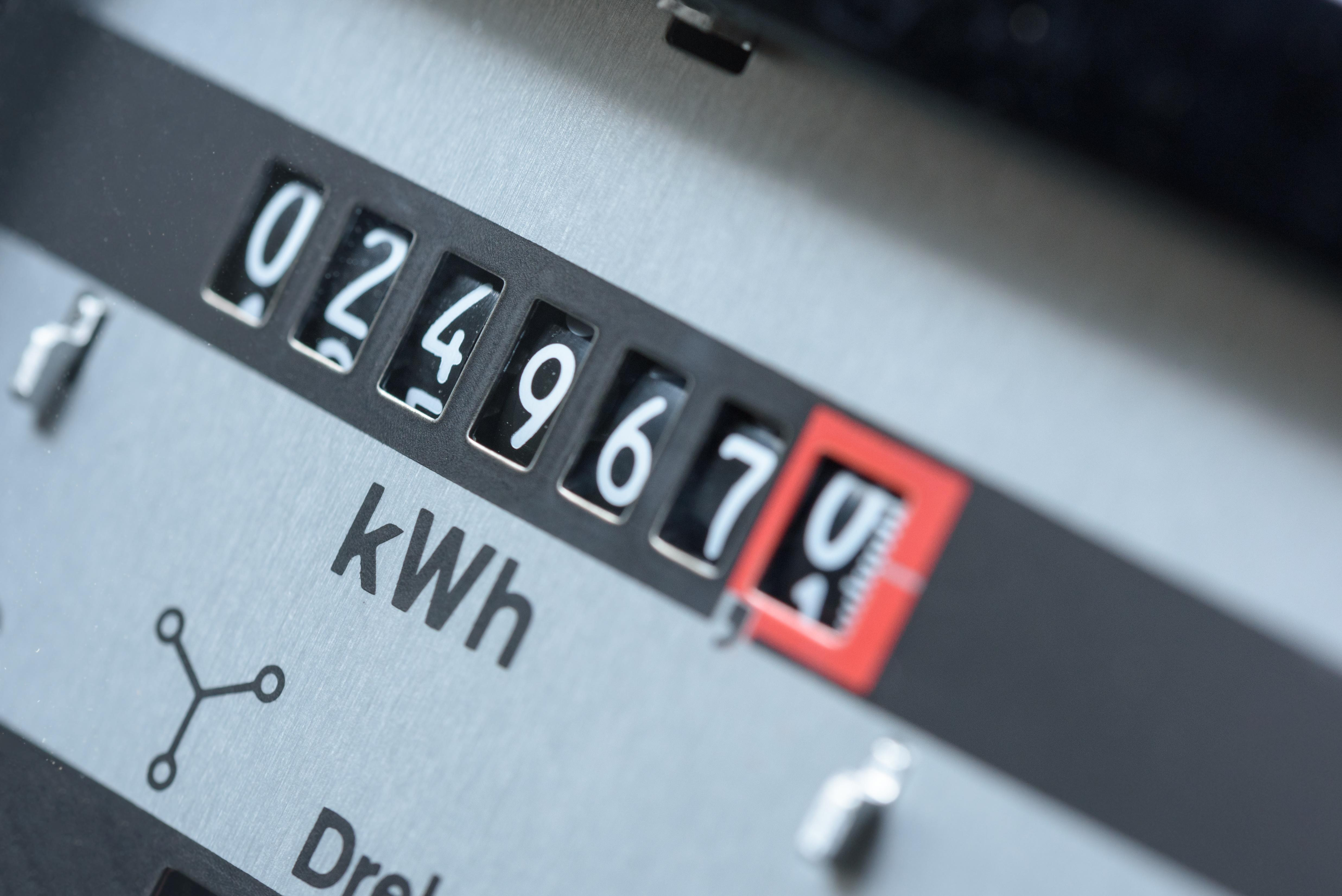
Norway’s new budget will drive up electricity bills. At the same time, 98 percent of taxpayers are not expected to lose out.Photo: Adobe Stock, standard licence
Electricity will be more expensive. No real increase in fuel charges
The energy price under the Norgespris system is set to increase by 5 øre, to 45 øre per kWh before VAT. After VAT is added, it will be around 56 øre per kWh, representing a price increase of 12.5 percent. According to government calculations, a household in south-western Norway using 16,000 kWh per year could receive NOK 8,700 in support compared with the projected spot price in the NO2 zone. The entire energy subsidy system is expected to cost the state NOK 16.4 billion next year.
For fuels, the government wants to reduce the road tax while increasing the CO2 emissions tax on petrol and diesel. According to the government, the overall real level of charges will therefore remain unchanged. A similar mechanism was also used in 2024 and 2025. The proposal also provides for extending the ASK share savings account to securities listed on multilateral trading facilities, which in Norway primarily means Euronext Growth. The BSU home savings deduction will remain at 10 percent, while the deduction limit for individual pension savings (IPS) will remain NOK 25,000.
For fuels, the government wants to reduce the road tax while increasing the CO2 emissions tax on petrol and diesel. According to the government, the overall real level of charges will therefore remain unchanged. A similar mechanism was also used in 2024 and 2025. The proposal also provides for extending the ASK share savings account to securities listed on multilateral trading facilities, which in Norway primarily means Euronext Growth. The BSU home savings deduction will remain at 10 percent, while the deduction limit for individual pension savings (IPS) will remain NOK 25,000.
The budget also provides for an increase in some excise duties roughly in line with projected inflation, or 2.7 percent. The excise duty on cigarettes is set at NOK 340 per 100 cigarettes, and on snus at NOK 105 per 100 grams. Similar changes will also apply to alcohol, including spirits and products containing between 4.7 and 22 percent alcohol.
How do you rate this article?